
Propagation
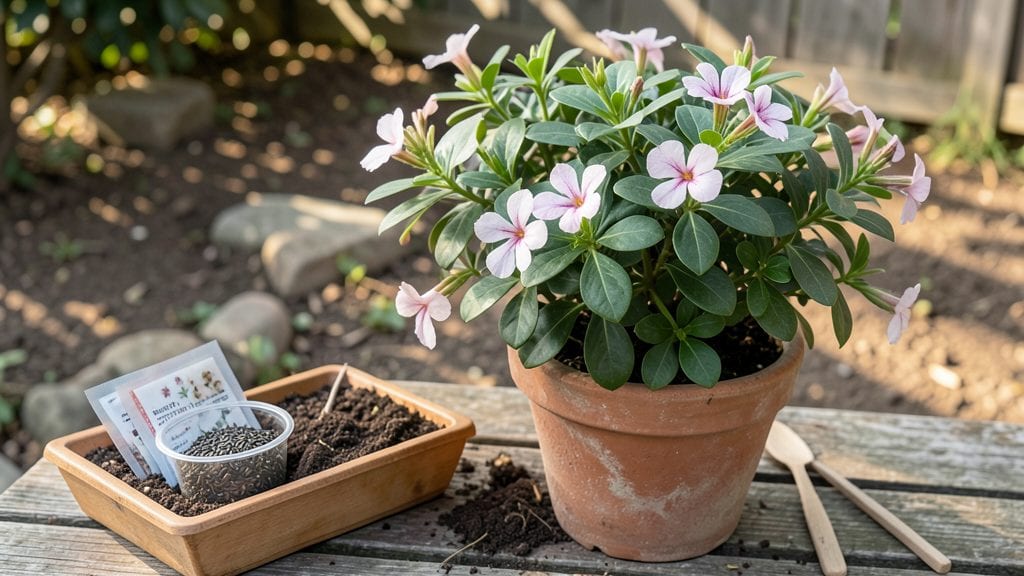
Growing vinca from seed with a layered chill technique cuts germination time from months to weeks—something I perfected after struggling through years of slow, unreliable starts. The key is mimicking nature’s gradual temperature shifts, which tricks seeds into breaking dormancy faster than standard cold stratification.
This method works especially well for Myrtle vinca (Vinca minor) and greater periwinkle (Vinca major), though it applies to other slow starters too.
You’ll need just three supplies: a sealed plastic bag with a damp paper towel, a refrigerator, and a sunny windowsill or grow light. The process takes about 4-6 weeks total, with seeds sprouting within 10-14 days of the cold treatment.
Unlike cuttings, which require mature plants, seeds let you grow vinca from scratch—ideal for filling large areas or creating uniform plants for hedges. The trade-off? Seedlings grow slower at first, but they develop stronger root systems.
By the time you transplant, you’ll have lush, dark-green seedlings ready to handle outdoor conditions, with blooms appearing within 8-12 weeks of planting. The layered chill method also reduces the risk of mold or rot, a common issue with damp seed-starting setups.
For gardeners comparing seeds to cuttings, this approach gives you more control over plant traits and lets you grow vinca varieties that aren’t always available as rooted cuttings.
Works equally well in zones 5-9, though timing varies slightly by region—start indoors 6-8 weeks before your last frost for spring planting. The same technique can be adapted for other slow-germinating perennials like ajuga or lamium.
Here’s how to do it step by step, with troubleshooting for common pitfalls like uneven sprouting or leggy seedlings.
📚 In This Guide
- What you need
- Instructions
- Tips and common mistakes
- Wrapping up and next steps
What you need
- ● Vinca seeds: Choose Catharanthus roseus (common vinca) or Vinca minor (periwinkle). Buy fresh, high-quality seeds—10-20 seeds for starters.
- ● Seed-starting mix: A lightweight, sterile peat-based or coconut coir mix (avoid garden soil). 1-2 gallons for a small tray.
- ● Seed trays or pots: Use 4-6 inch shallow trays with drainage holes or small peat pots (2-3 inch diameter).
- ● Clear plastic dome or plastic wrap: To create a humid microclimate. A humidity tent kit works great!
- ● Grow lights or sunny windowsill: Vinca needs 12-16 hours of light daily. LED grow lights (full-spectrum) are ideal.
- ● Spray bottle: For gentle watering (16-20 oz capacity).
- ○ Fertilizer (optional but helpful): A balanced liquid fertilizer (5-5-5 or 10-10-10) diluted to half-strength for seedlings.
- ● Fine-tip tweezers or toothpick: For handling tiny seeds.
- ○ Heat mat (optional): Keeps soil 70-75°F for faster germination.
- ○ Small fan (optional): Encourages sturdy seedlings by creating airflow.
- ● Patience & a notebook: Track germination dates and seedling progress!
Instructions for growing vinca from seed using layered chill technique
This method guarantees strong, blooming vinca plants in record time by mimicking natural cold stratification.
Prepare Seeds and Moisten Growing Medium
Fill your seed-starting containers with the 1 gallon of moistened seed-starting mix, pressing it down gently to remove air pockets. Vinca seeds need excellent drainage, so ensure the mix is light and fluffy—never compacted. I like to mix in a tablespoon of perlite to boost aeration.
Place the containers on a tray and water lightly until the surface feels evenly damp but not soggy. You’ll know it’s right when water runs through the bottom holes without pooling. This prevents seed rot while keeping the mix consistently moist for germination.
Sow Seeds and Apply First Chill Layer
Scatter the 50 vinca seeds evenly across the surface, pressing them lightly into the top ¼ inch of soil. Unlike many seeds, vinca doesn’t need deep planting—just enough contact to anchor them. I use a small spoon to space them about ½ inch apart for even growth.
Cover the container with a clear plastic dome or wrap it tightly in plastic wrap to trap humidity. Place it in the refrigerator for 4 weeks, checking weekly to ensure the soil stays lightly moist. This cold stratification breaks dormancy, which is why this method works so fast—skipping it delays germination by months.
Move to Warmth and Monitor Germination
After 4 weeks, transfer the container to a warm spot (65–75°F) with bright, indirect light. Vinca seeds germinate slowly at first, so patience is key. You’ll see the first tiny sprouts in 2–3 weeks, but don’t be surprised if it takes up to 6 weeks—this is normal for cold-treated seeds.
Once sprouts appear, remove the plastic cover immediately to prevent damping-off. Keep the soil consistently moist but never waterlogged—let the top ½ inch dry out between waterings. This prevents fungal issues while encouraging strong root development.
Provide Light and Thin Seedlings
When seedlings reach 1–2 inches tall, thin them to the strongest 3–4 plants per container by snipping weaker stems at the base with clean scissors. Crowding stresses vinca, so spacing matters—leave 2 inches between remaining plants. This ensures they develop sturdy stems and vibrant blooms.
Move the container to a south-facing window or under grow lights for 14–16 hours of light daily. Vinca thrives in full sun but can scorch if transitioned too quickly. Watch for leggy growth—if stems stretch toward the light, raise the plants closer to the source or supplement with artificial light.
Harden Off and Transplant for Fast Blooms
After 8–10 weeks of growth, when seedlings have 3–4 sets of true leaves, begin hardening them off. Place the container outside in a sheltered spot for 1 hour the first day, gradually increasing exposure over 10 days to a full day in partial shade. This prepares them for outdoor conditions without shock.
Transplant to the garden or larger pots after the last frost, spacing plants 12 inches apart. Vinca blooms best in full sun, but established plants tolerate partial shade. Water deeply once a week once transplanted, letting the soil dry slightly between waterings. You’ll see flowers in 3–4 months—far faster than traditional methods.
Tips & tricks for perfect vinca from seed growth
These refined techniques will help you achieve blooming vinca plants in record time while avoiding common pitfalls that derail germination.
Cold Stratification Precision: The 4-week refrigerator period is critical for breaking dormancy, but consistency matters. Place your container on the middle shelf where temperatures remain steady at 35-40°F—avoid door shelves where temps fluctuate wildly. I use a small thermometer in my fridge to monitor this, as even slight variations can delay germination by weeks. Remember, this cold treatment is what makes the layered chill technique work so much faster than traditional methods.
Moisture Management: During the 4-week cold stratification in Step 2, check soil moisture weekly by pressing your finger about ½ inch deep—it should feel like a damp sponge, not a wet rag. Overwatering during this phase causes seed rot, while under-watering prevents proper hydration. After moving to warmth in Step 3, let the top ½ inch dry between waterings to prevent damping-off while maintaining consistent moisture for root development.
Light Transition Strategy: When moving seedlings to warmth in Step 3, start with bright indirect light for the first week to prevent shock. I use a south-facing window with sheer curtains to diffuse intensity. After 7-10 days, you can gradually increase light exposure to 14-16 hours daily. This gradual transition prevents leggy growth that occurs when seedlings stretch desperately toward light sources.
Thinning Technique: In Step 4, when thinning to 3-4 plants per container, use clean scissors to snip at the soil line rather than pulling stems. This minimizes root disturbance to remaining plants. I find that spacing the strongest seedlings 2 inches apart creates optimal air circulation, which prevents fungal issues and encourages robust stem development that supports those vibrant blooms you're growing so fast.
Pro Tips for Vinca From Seed
- These refined techniques will help you achieve blooming vinca plants in record time while avoiding common pitfalls that derail germination.
- Cold Stratification Precision: The 4-week refrigerator period is critical for breaking dormancy, but consistency matters.
- Moisture Management: During the 4-week cold stratification in Step 2, check soil moisture weekly by pressing your finger about ½ inch deep—it should feel like a damp sponge, not a wet rag.
Frequently asked questions
Got questions about growing vinca from seed? You’re not alone! Here are answers to the most common concerns to help you succeed with your layered chill technique.
How long does it take for vinca seeds to germinate?
Germination can take anywhere from 2 to 6 weeks—patience is key! Keep seeds in a warm, humid environment (70–75°F) and maintain consistent moisture. If they haven’t sprouted after 6 weeks, check for mold or rot and try again with fresh seeds.
Why is the layered chill technique important for vinca seeds?
The "layered chill" mimics vinca’s natural dormancy cycle, breaking seed dormancy for faster, more reliable germination. Without it, seeds may stay dormant for months—or never sprout. Place seeds in the fridge (35–40°F) for 4–6 weeks before sowing for best results.
Can I grow vinca from seed indoors year-round?
Yes! Vinca thrives indoors with proper lighting (14+ hours of grow lights) and warmth. Just ensure your setup mimics outdoor conditions: moisture, humidity, and temperature control. Avoid drafts, and use a heating mat if germination feels slow.
What if my vinca seedlings look leggy or weak?
Leggy seedlings mean too little light. Move them closer to a bright window or under grow lights immediately. Thin crowded seedlings to 1–2 inches apart and fertilize lightly (half-strength) with a balanced liquid fertilizer once true leaves appear.
Are there faster alternatives to growing vinca from seed?
If you’re impatient, consider cuttings or nursery plants—they bloom faster! For seeds, try pre-sprouting them in damp paper towels (3–5 days) before planting. Just remember: seed-grown vinca often yields hardier, more disease-resistant plants over time.
Wrapping up and next steps
Growing vinca from seed using the layered chill technique is a rewarding way to kickstart your garden with vibrant, hardy blooms! 🌱 With patience and the right conditions, you can enjoy fast germination and reliable results—perfect for gardeners who love a challenge.
Once your seedlings sprout and thrive, consider transplanting them into your garden or sharing cuttings with fellow plant enthusiasts to spread the joy.
Ready to dive in? Start by gathering your supplies, following the layered chill steps, and watch your vinca seedlings flourish. Happy growing! 🌸