Pests
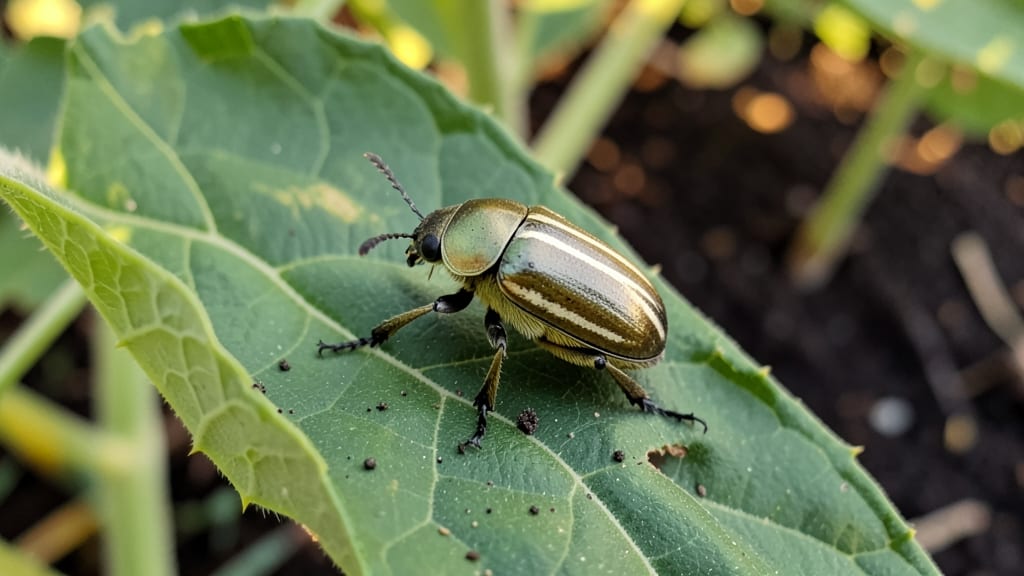
Sunflower seed beetles turn your golden blooms into a snack bar before harvest. 🌻 I’ve watched my prized sunflowers go from towering beauty to chewed seed heads in days—until I learned how to outsmart these tiny pests without chemicals.
The key is acting fast, knowing what to look for, and using nature’s own defenses.
These beetles thrive in warm weather, laying eggs right in sunflower heads where their larvae feast on seeds. You’ll spot damage as tiny holes in petals or seeds, or even adult beetles crawling through flower centers.
The good news? Simple traps, companion plants like marigolds, and timely handpicking can stop them before they ruin your crop.
By combining early detection with natural deterrents, you’ll protect your sunflowers without harming bees or beneficial insects. The result? Full, healthy seed heads ready for harvest—and no more watching your hard work disappear overnight. Let’s get those sunflowers growing strong again.
This works for both backyard gardens and large-scale plantings, and the methods adapt to different climates. The secret is consistency: check your plants regularly, and you’ll catch beetles before they become a problem. Here’s how to make it happen.
Hidden Invaders In Your Harvest
Sunflower seed beetles—tiny but mighty pests—don’t just appear out of nowhere. Their presence in your sunflower fields or stored seeds is the result of a mix of environmental, agricultural, and biological factors.
Understanding why these beetles thrive is the first step to stopping them naturally. Let’s break down the key reasons behind their infestations.
Sunflower seed beetles, particularly Smicronyx sordidus (a common species), are highly sensitive to temperature and moisture. Warm, dry summers create the perfect breeding ground for these pests, as they prefer:- Extended heat: Temperatures between 77–86°F (25–30°C) accelerate their life cycle, allowing multiple generations per season.
- Low humidity: Drought-stressed sunflowers produce thinner seed coats, making them easier for beetles to penetrate and lay eggs.
- Delayed harvests: If sunflowers aren’t harvested on time (especially in late summer), beetles have more time to infest standing crops.
Actionable fix: Monitor weather forecasts and adjust harvest timelines. Early planting or late-season irrigation (if water isn’t scarce) can disrupt their breeding cycles.
Beetles don’t just target mature sunflowers—they thrive in leftover plant debris. Fields with:- Uneven harvests: Missed or broken sunflower heads left in the soil provide shelter and food for overwintering adults.
- Stale seed beds: Old sunflower stalks or weedy patches create hiding spots for larvae and pupae.
- Improper storage: Stored seeds with moisture or dirt attract beetles, turning bins into breeding grounds.
Actionable fix: Conduct thorough post-harvest cleanups, including tilling residue into the soil or composting it. Store seeds in dry, sealed containers with silica gel packets to deter infestations.
Sunflower seed beetles face few natural enemies, but their populations can explode when:- Birds & beneficial insects decline: Reduced biodiversity (from monocropping or pesticide use) removes key predators like spiders, parasitic wasps, and birds that feed on beetle larvae.
- Competition is low: If other pests (e.g., aphids or caterpillars) are controlled, beetles have unchecked access to sunflower seeds.
- Monoculture farming: Planting sunflowers year after year creates a beetle-friendly environment with no rotational breaks.
Actionable fix: Introduce beneficial insects like ladybugs or lacewings, or plant diverse cover crops (e.g., clover or alfalfa) to support predator populations. Rotate crops annually to disrupt beetle life cycles.
While pesticides can kill beetles, overuse backfires by:- Creating resistant strains: Beetles develop tolerance to common insecticides (e.g., pyrethroids) after repeated exposure.
- Disrupting ecosystems: Broad-spectrum sprays kill natural predators faster than beetles, leading to worse infestations later.
- Leaving residues: Chemical traces on seeds attract beetles during storage.
Actionable fix: Replace synthetic sprays with neem oil, diatomaceous earth, or kaolin clay for targeted control. Always follow integrated pest management (IPM) guidelines to preserve beneficial insects.
By addressing these root causes—climate, hygiene, ecology, and chemical habits—you can starve out beetle populations before they become a full-blown crisis. The key? Prevention through smart farming practices and ecological balance.
Natural Ways to Stop Seed-Eating Pests
Dealing with tiny invaders that munch on your sunflower seeds? Don’t reach for harsh chemicals—there are effective, eco-friendly ways to keep these pests at bay. Below, we’ll tackle the most common causes of seed beetle infestations and provide practical, step-by-step solutions to protect your harvest.
If you’ve already spotted signs of beetles in your stored seeds, act fast to prevent further damage.
🧹 Clean and Inspect Storage Areas
- Empty and sanitize all containers, jars, or bins where seeds are stored. Use hot, soapy water or a vinegar solution (1:1 ratio with water) to kill larvae and eggs.
- Dry seeds thoroughly before storing—moisture attracts beetles.
Use a food dehydrator or sun-drying method (if climate permits). - Store seeds in airtight glass or metal containers (plastic can trap moisture and pests). Add a bay leaf or clove as a natural repellent.
🔥 Freeze or Heat-Treat Seeds
- Freezing method (for small batches): Place seeds in a sealed bag and freeze for 4–7 days to kill all life stages (eggs, larvae, adults).
- Baking method (for larger quantities): Spread seeds on a baking sheet and bake at 140°F (60°C) for 1–2 hours—this kills beetles without damaging seed viability.
💡 Pro Tip:
🔥 Double-check labels—some seeds (like sunflower hearts) may already be infested. Buy from reputable organic suppliers or grow your own for freshness.
If you’re growing sunflowers, proactive measures can stop beetles before they become a problem.
🌿 Use Companion Planting
Beetles dislike strong-smelling herbs and flowers. Plant these near your sunflowers to deter them:
- Basil, mint, or thyme (confuse pests with their scent).
- Marigolds or nasturtiums (repel insects naturally).
- Garlic or onions (their sulfur compounds act as a deterrent).
🕷️ Encourage Natural Predators
Instead of pesticides, invite helpful bugs to your garden:
- Ladybugs, lacewings, and parasitic wasps eat sunflower seed beetle larvae. Buy them online or attract them with dill, fennel, or yarrow.
- Birds love beetles!
Install a bird feeder or bath to encourage feathered pest control.
🌡️ Monitor and Hand-Pick
- Check plants regularly, especially under leaves and in flower heads. Drop beetles into soapy water (a humane way to dispose of them).
- Use a fine mesh net to cover young sunflower plants if infestations are severe.
Even after harvest, proper storage is key to long-term protection.
📦 Choose the Right Containers
- Glass jars with tight lids (like mason jars) are ideal—they’re pest-proof and easy to clean.
- Vacuum-sealed bags (if you have a vacuum sealer) create an airtight barrier.
- Avoid cardboard boxes—beetles chew through them easily.
🧂 Add Natural Deterrents
Place these safe, non-toxic repellents inside storage containers:
- Dried neem leaves (crush a few and mix into seeds).
- Diatomaceous earth (food-grade)—sprinkle lightly inside containers (it dehydrates beetles).
- Cedar blocks or chips (their scent repels insects naturally).
📅 Rotate Your Seed Stock
- Use older seeds first to avoid long-term storage issues.
- Label containers with dates to track freshness and prevent forgotten infestations.
Small habits now can save your seeds for years!
- Buy seeds in small quantities—fewer seeds mean less risk of hidden beetles.
- Store seeds in a cool, dark, dry place (ideally below 60°F/15°C).
- Freeze new seeds for 24 hours before long-term storage as a precaution.
- Check secondhand gardening tools—beetles can hitch a ride on old trowels or scissors.
By combining storage hygiene, natural repellents, and garden strategies, you can keep sunflower seed beetles out for good—without chemicals! 🌻🚫🐛
Frequently asked questions
What do sunflower seed beetle damages look like on plants?
Look for tiny holes in sunflower petals or seed heads, and fine webbing where larvae feed. Adult beetles (about 1/4-inch long) are brownish with striped patterns. The most obvious sign? Chewed seeds inside flower heads that won’t develop properly.
Can I use diatomaceous earth on sunflower plants?
Yes! Food-grade diatomaceous earth is safe for plants when applied correctly. Lightly dust the soil around sunflower bases and flower heads—it dehydrates beetles on contact. Reapply after rain, and avoid breathing the powder (wear a mask). Best used in dry conditions.
How often should I check my sunflowers for beetles?
Inspect plants every 3-4 days during peak beetle season (late summer). Focus on flower heads, leaf undersides, and stems. Morning checks work best—beetles are sluggish when temperatures are cooler. Early detection prevents major seed damage.
Will neem oil harm beneficial insects?
Neem oil targets soft-bodied pests like beetles while being less harmful to bees and ladybugs. Use it at dusk when pollinators are less active, and dilute properly (1-2 tbsp per gallon of water). Always test on a small plant area first to check for sensitivity.
Can I save seeds from beetle-infested sunflowers?
Only if you treat them first! Freeze seeds for 7 days or bake at 140°F (60°C) for 2 hours to kill all life stages. Store treated seeds in airtight containers with silica gel. If damage is severe, discard the seeds to prevent spreading infestations.