Picking
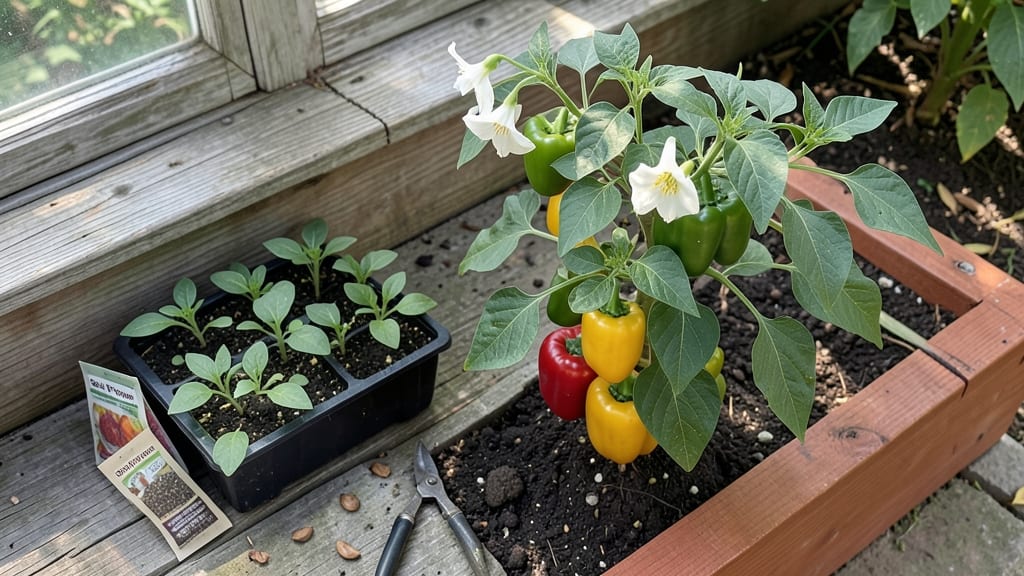
Sweet pepper seeds need warmth and patience to unlock their potential—something I learned after my first batch of seeds sprouted in just 5 days instead of the two weeks I'd been told to expect.
The trick lies in mimicking their natural tropical environment, where soil stays consistently warm and moisture levels never dip too low. Most gardeners overlook how critical this balance is, and that's why so many seeds either rot or take forever to break through the soil.
You’ll need a seed-starting tray, some well-draining potting mix, and a heat mat or warm spot near a sunny window—no fancy equipment required. I use a simple setup with a heating pad set to 75°F and keep the soil damp (not soggy) by misting it lightly every other day.
The right variety matters too: bell peppers like 'California Wonder' or 'Sweet Banana' are beginner-friendly, while hotter varieties like 'Jalapeño' need a longer growing season but reward you with bold flavors.
By week three, you’ll see sturdy seedlings with their first true leaves, ready to transplant into larger pots. The key is gradual hardening—taking them outside for short periods each day to toughen them up before they meet their permanent home in the garden.
These early steps set the stage for plants that produce shockingly lush foliage and fruit all season long, with fewer pests and diseases creeping in.
This method works whether you're growing in a greenhouse, on a windowsill, or even under grow lights—adjust the timing based on your last frost date, and you’ll have peppers ready to harvest by midsummer. The payoff? A garden bursting with sweet, vibrant peppers that put store-bought varieties to shame.
📚 In This Guide
- What you need
- Instructions
- Tips and common mistakes
- Wrapping up and next steps
What you need
- ● Sweet pepper seeds: 10–20 seeds (choose varieties like Bell Pepper, Jalapeño, or Shishito based on your preference). Opt for organic, non-GMO seeds for the best results.
- ● Seed-starting trays or pots: 2–4 small pots (2–3 inches deep) or a seed-starting tray with individual cells. Ensure they have drainage holes!
- ● Seed-starting mix: 1–2 cups of lightweight, sterile potting soil (avoid garden soil—it’s too dense and can harbor diseases). Look for mixes labeled "seed-starting" or "organic potting soil."
- ● Grow lights or sunny windowsill: A full-spectrum LED grow light (12–16 inches above seedlings) or a south-facing window that gets 6–8 hours of sunlight daily.
- ● Spray bottle: For gently watering seeds without disturbing them.
- ● Plastic wrap or humidity dome: To create a mini greenhouse effect and retain moisture.
- ○ Heating mat (optional but helpful): A seedling heat mat (set to 70–80°F) speeds up germination, especially in cooler climates.
- ● Fertilizer: A balanced, water-soluble fertilizer (like 5-5-5 or 10-10-10) diluted to half-strength for when seedlings sprout.
- ● pH testing kit: To ensure your soil pH is between 6.0–6.8 (sweet peppers thrive in slightly acidic soil).
- ● Humidity tray: A shallow tray filled with water and pebbles to increase humidity around seedlings.
- ● Plant labels: To keep track of varieties and planting dates.
- ● Fungicide (preventative): A natural option like neem oil to protect against damping-off disease.
Step-by-step instructions for germinating sweet pepper seeds
Here's how I get fast, vigorous pepper seedlings every time—no guesswork involved.
Prepare Containers and Seed-Starting Mix
Fill clean, 2-3 inch deep containers with 4 cups of seed-starting mix per serving. I use biodegradable pots because they eliminate transplant shock later. Press the mix down gently with your fingers until it's firm but not compacted—this ensures roots can push through easily. The surface should feel slightly resistant to the touch, like a well-packed snowball.
Moisten the mix with warm water until it feels like a wrung-out sponge—damp but not dripping. Overwatering now creates soggy conditions that drown seeds before they sprout. If your mix feels dry deeper than ½ inch, add a little more water and mix it in with a spoon. The goal is even moisture throughout.
Plant Seeds at the Right Depth and Temperature
Place 1-2 seeds per container just below the surface—about ¼ inch deep. Pepper seeds need light to germinate, so planting too deep delays sprouting. Use a toothpick to make a small hole, drop in the seeds, then cover lightly with additional mix. I tap the container gently on the table to settle the soil without disturbing the seeds.
Peppers thrive when warm, so place containers on a seedling heat mat set to 75-85°F. Without heat, germination can take 2-3 weeks instead of the 7-14 days you'll get with bottom warmth. Cover the containers with clear plastic wrap to trap humidity, but leave a small gap for airflow. Check daily for condensation—if you see droplets, remove the wrap for 30 minutes to prevent mold.
Provide Light and Monitor Moisture
The moment seeds sprout, move them to bright light—a south-facing window or grow light positioned 2-4 inches above the seedlings. Without enough light, stems stretch weakly toward the source. I adjust the light height weekly as seedlings grow. Watch for first true leaves (the second set after the initial seed leaves)—this signals healthy development.
Water from below by placing containers in ½ inch of warm water for 10 minutes. This prevents soil from splashing on delicate leaves and encourages deep root growth. Let excess water drain completely before returning to the tray. Overwatering at this stage causes damping-off, a fungal disease that collapses seedlings overnight. You'll know moisture is right when the soil surface looks slightly damp but not glistening.
Thin and Harden Off Seedlings
Once seedlings reach 2 inches tall with 3-4 true leaves, thin to the strongest plant per container. Use scissors to snip weak stems at soil level—pulling risks disturbing roots. Keep the remaining seedling well-lit and water consistently. You'll notice faster growth and thicker stems after thinning, as the plant focuses energy on one strong structure.
Two weeks before your last frost date, start hardening off by placing seedlings outside in partial shade for 1 hour daily. Gradually increase time and sun exposure over 10-14 days. Seedlings are ready for transplant when they tolerate 6+ hours of sun without wilting. I always transplant on an overcast afternoon to reduce stress.
Tips & tricks for fast, healthy sweet pepper seedlings
A few key strategies will help you bypass common germination pitfalls and get those pepper seeds sprouting in record time.
Container Depth Matters: While 2-3 inch deep containers work perfectly, I've found that slightly shallower 2-inch pots actually help prevent overwatering and create better drainage. The key is ensuring the seed-starting mix stays consistently moist but never soggy—especially important during those first critical days when seeds are most vulnerable to damping-off disease.
Temperature Consistency is Critical: Maintaining that 75-85°F range on your seedling heat mat makes all the difference. I place a small thermometer right on the mat surface to monitor temperature—peppers are particularly sensitive to fluctuations below 70°F, which can stall germination for weeks. If you don't have a heat mat, place containers on top of your refrigerator (not inside) for gentle warmth.
Light Positioning Technique: When using grow lights, I position them just 2-3 inches above seedlings initially, then raise them weekly as plants grow. The goal is to keep the light intensity bright but not scorching—you should be able to hold your hand under the light for about 3 seconds before feeling warmth. This prevents those leggy seedlings that stretch desperately toward light sources.
Thinning Strategy: When thinning to your strongest seedling at the 2-inch height mark, I always keep the container in the same location and water it thoroughly before cutting. This prevents transplant shock from both the physical disturbance and sudden moisture changes. The remaining seedling will show immediate improvement in stem thickness within 24-48 hours as it focuses all its energy on growth.
Pro Tips for Sweet Peppers Seeds
- A few key strategies will help you bypass common germination pitfalls and get those pepper seeds sprouting in record ...
- Container Depth Matters: While 2-3 inch deep containers work perfectly, I've found that slightly shallower 2-inch pot...
- Temperature Consistency is Critical: Maintaining that 75-85°F range on your seedling heat mat makes all the differenc...
Frequently asked questions
Got questions about growing sweet peppers from seed? You’re not alone! Here are answers to the most common queries to help you grow a thriving garden.
How long does it take for sweet pepper seeds to germinate?
Sweet pepper seeds typically germinate in 7–21 days, depending on temperature, moisture, and seed quality. For fastest results, keep soil consistently warm (75–85°F) and moist. Patience is key—some varieties (like jalapeños) may take longer than milder bells.
Can I plant sweet pepper seeds directly outside, or should I start indoors?
Sweet peppers love warmth and struggle in cool soil, so start seeds indoors 8–12 weeks before your last frost date. Transplant seedlings outside only after soil temps hit 60°F+ and nighttime temps stay above 50°F. Hardening off (acclimating plants to outdoor conditions) for 7–10 days first is a game-changer!
Why aren’t my sweet pepper seeds sprouting? Troubleshooting tips?
If seeds aren’t germinating, check these fixes:
- Temperature: Too cold? Use a seedling heat mat (ideal: 75–85°F).
- Moisture: Keep soil damp (not soggy)—use a spray bottle for gentle watering.
- Depth: Plant seeds ½ inch deep max; deeper planting can suffocate them.
- Freshness: Old seeds (<2+ years) may fail—test viability by soaking in water (sink = good; float = bad).
Still stuck? Try a paper towel germination trick to test viability before replanting.
What’s the best way to store sweet pepper seeds for next year?
To save seeds for future planting:
- Let peppers fully ripen and dry on the plant (or indoors at room temp).
- Remove seeds, rinse, and dry on a paper towel for 3–5 days.
- Store in a cool, dark, airtight container (like a mason jar) in the fridge. Seeds stay viable for 1–2 years.
Pro tip: Label containers with the pepper variety and harvest date!
Are there any sweet pepper varieties that germinate faster or easier?
Yes! If you’re a beginner or short on time, try these fast-germinating, beginner-friendly varieties:
- California Wonder (classic bell pepper, reliable germinator).
- Sweet Banana (mild, sweet, and quick to sprout).
- Jalapeño ‘Early Jalapeño’ (hot but germinates faster than many heirlooms).
Heirloom or organic seeds may take slightly longer—always check the packet for days-to-germination estimates!
Wrapping up and next steps
Growing sweet peppers from seeds is a rewarding journey filled with vibrant flavors and lush harvests! By following the right germination secrets—like choosing high-quality seeds, maintaining optimal warmth, and providing gentle care—you’ll set your plants up for a fast, healthy start.
Whether you’re a seasoned gardener or a curious beginner, these tips ensure your peppers thrive from day one.
Now that you’re armed with the know-how, take the next step! Grab those sweet pepper seeds, set up your cozy seed-starting station, and watch your garden come alive. Happy planting—your future meals (and taste buds) will thank you! 🌱✨