
Pruning
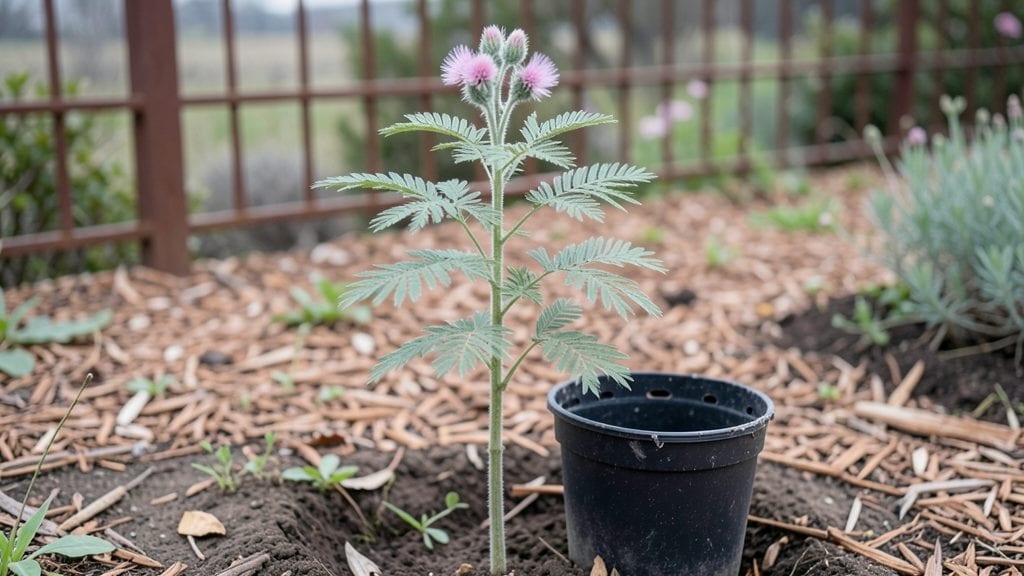
Growing silk tree seedlings faster starts with a layered chill and moist trick that mimics their natural dormancy. I’ve struggled with leggy, slow-starting seedlings until I discovered how a simple cold treatment and consistent moisture transforms weak sprouts into sturdy, fast-growing plants within weeks—not months.
The secret isn’t complicated, but it makes all the difference between a scraggly seedling and one ready for transplant in record time.
Here’s the game-changer: after germination, subject the seedlings to 10-14 days of cool temperatures (40-50°F) while keeping the soil evenly moist—not soggy, not dry. This mimics the silk tree’s native climate and signals the roots to strengthen before the real growth spurt.
You’ll notice thicker stems and deeper green leaves within 2 weeks, a clear sign the trick is working. The key is patience during this phase—rushing it back to warmth too soon stalls progress.
By the time you’re ready to transplant, your silk tree seedlings will have stronger roots and better resilience against transplant shock. They’ll handle the move to a larger pot or garden bed with ease, and the growth won’t slow down like it does with untreated seedlings.
Imagine snipping back leggy stems only to see new, compact growth emerge within 10 days—that’s the power of this method in action.
This approach works year-round, whether you’re starting seeds in early spring or fall. For container growers, use well-draining potting mix and a 5-gallon pot to avoid overcrowding, while in-ground plantings benefit from a slightly shaded spot during the first month post-transplant.
The payoff? Silk trees that mature 30-50% faster than traditional methods, with fewer setbacks along the way.
📚 In This Guide
- What you need
- Instructions
- Tips and common mistakes
- Wrapping up and next steps
What you need
- ● Silk tree seedlings (3–6 per container, depending on size)
- ● Well-draining potting mix (50% peat or coco coir + 50% perlite/sand for aeration; ~1 gallon per seedling)
- ● Plastic or fabric grow bags (10–12 inches deep, with drainage holes)
- ● Clear plastic wrap or humidity dome (to retain moisture)
- ● Spray bottle (for gentle hydration)
- ○ Rooting hormone (optional but helpful) (gel or powder form)
- ● Refrigerator or cold frame (set to 34–40°F (1–4°C) for 24–48 hours)
- ● Ice cube tray or small container (for layered watering trick)
- ○ Thermometer (optional) (to monitor cold exposure)
- ● 💡 Sterilize tools with rubbing alcohol to prevent fungal issues.
- ● 🌡️ Pre-chill soil in the fridge for 12 hours before planting for even moisture.
- ● ✨ Use filtered water to avoid chlorine stress on delicate roots.
Step-by-step instructions for faster silk tree seedling root growth
This layered approach combines cold stratification and consistent moisture to accelerate root development in silk tree seedlings.
Prepare the Seeds for Cold Stratification
Silk tree seeds require a cold treatment to break dormancy and stimulate root growth. Place the seeds in a zip-top plastic bag with a moist paper towel—just damp enough so it doesn’t drip. Seal the bag and refrigerate for 6-8 weeks at 35-40°F. Check weekly to ensure the towel stays moist; if it dries, lightly mist it again. This cold exposure mimics winter conditions and signals the seed to germinate.
I’ve found that seeds left in the bag too long can develop mold, so monitor closely. After 6 weeks, remove the bag and let the seeds sit at room temperature for 24 hours before planting. This adjustment period prevents shock when exposed to warmer soil.
Plant in Well-Draining, Moisture-Retentive Soil Mix
Use a lightweight potting mix blended with 20% perlite to ensure drainage while retaining moisture. Fill a 4-inch pot (or similar container) with the mix, leaving ½ inch of space at the top. Press the soil down lightly to remove air pockets, then create a small ½-inch-deep hole for each seed. Place 1-2 seeds per hole, covering them with soil and patting gently to secure.
Water the soil until it’s evenly moist but not soggy—you should see moisture seep to the surface but not pool. Overwatering at this stage can cause rot, while too little moisture halts germination. A spray bottle works best for precision.
Maintain Consistent Moisture and Warmth
Silk tree seedlings thrive in warm, humid conditions after stratification. Place the pot in a warm spot (70-75°F) with indirect light—direct sun can scorch tender new leaves. Use a clear plastic dome or humidity tray to keep moisture levels high, mimicking the tropical environment silk trees prefer. Check soil moisture daily; water when the top inch feels dry to the touch, but avoid letting it dry out completely.
Within 2-4 weeks, you’ll see the first true leaves emerge—a sign roots are actively growing. At this stage, reduce humidity slightly to prevent fungal issues, but keep the soil consistently moist. I’ve seen seedlings double in size in just 3 weeks with this method.
Transition to Larger Containers for Root Development
Once seedlings reach 3-4 inches tall (typically 6-8 weeks after planting), it’s time to transplant into 6-inch pots with fresh potting mix. Gently remove the seedling, keeping as much soil around the roots as possible to minimize stress. Place it in the new pot, filling gaps with soil and pressing lightly to eliminate air pockets. Water thoroughly to settle the roots and encourage expansion into the larger space.
This step is critical for root growth—silk trees develop deep taproots, so deeper pots (at least 8 inches) should follow within another 4-6 weeks. Keep the soil moist but not waterlogged, and gradually introduce morning sunlight to harden the seedlings before outdoor planting.
Tips & tricks for faster silk tree seedling root development
Mastering silk tree seedling growth requires precision in timing and environmental control—here’s how to optimize each critical phase for rapid, healthy root development.
Cold Stratification Precision: The 6-8 week cold treatment at 35-40°F is non-negotiable for breaking dormancy, but consistency matters just as much as duration. I’ve found that placing the sealed bag in the crisper drawer of your fridge—where temperatures stay most stable—yields more predictable results than door storage. The 24-hour room temperature adjustment after 6 weeks prevents shock by allowing seeds to gradually acclimate to warmer conditions before planting.
Soil Mix Technique: When creating your 20% perlite blend, sift the perlite first to remove any fine particles that could compact the mix. For the planting holes, use a pencil to create the ½-inch-deep indentations—this ensures uniform depth for all seeds. The key to that "evenly moist" soil is using a spray bottle to water: it delivers precise moisture without disrupting the soil structure around your seeds.
Humidity Management: Silk tree seedlings thrive in the 70-75°F range with high humidity, but the 2-4 week window for true leaf emergence is when fungal risks peak. I’ve had success using a clear plastic dome for the first 10 days, then gradually lifting it daily to acclimate seedlings to lower humidity. The top inch moisture check works best when you use your finger to gauge—press gently; if it comes away clean, it’s time to water.
Transplanting Strategy: When moving to 6-inch pots at 3-4 inches tall, focus on preserving that intact soil-root ball. I’ve seen seedlings with damaged roots take 2-3 weeks longer to establish in their new containers. For deeper 8-inch pots, use your finger to create vertical channels in the soil—this encourages the taproot to grow downward immediately rather than circling, which is critical for silk trees.
Pro Tips for Silk Tree Seedling
- Mastering silk tree seedling growth requires precision in timing and environmental control—here’s how to optimize each critical phase for rapid, healthy root development.
- Cold Stratification Precision: The 6-8 week cold treatment at 35-40°F is non-negotiable for breaking dormancy, but consistency matters just as much as duration.
- Soil Mix Technique: When creating your 20% perlite blend, sift the perlite first to remove any fine particles that could compact the mix.
Frequently asked questions
Got questions about nurturing your silk tree seedlings? You’re not alone! Here are answers to the most common queries to help you grow thriving plants with confidence.
How long does it take for silk tree seedlings to sprout roots with this method?
With the layered chill and moisture trick, you’ll typically see new root growth within 3–6 weeks. Patience is key—consistent moisture and the right temperature (around 60–70°F) speed up the process. Check for tiny white roots peeking from the nodes to confirm progress!
Why do I need to chill the cuttings before layering?
Chilling (or "stratifying") your cuttings for 2–4 weeks in the fridge mimics winter dormancy, tricking the plant into focusing on root growth instead of leaf production. Skip this step, and your cuttings may rot or produce weak roots. Think of it as a reset button for faster success!
What’s the best moisture balance for silk tree cuttings?
Keep the soil or growing medium consistently damp but not soggy—like a wrung-out sponge. Overwatering suffocates roots, while underwatering stresses the cutting. Mist lightly daily and ensure good drainage. A humidity dome or plastic bag can help maintain ideal moisture levels.
Can I use this method for other trees besides silk trees?
This technique works well for semi-hardwood cuttings from trees like willows, poplars, or even some fruit trees (e.g., apples or pears). Just adjust the chilling time—tropical plants may need less, while temperate species benefit from longer stratification. Always research your specific plant’s needs!
What should I do if my cutting turns mushy or smells bad?
Mushy cuttings or a foul odor signal rot from overwatering or bacterial infection. Act fast: remove the affected cutting, sterilize your tools with rubbing alcohol, and repot healthy cuttings in fresh, dry medium. Improve airflow by spacing cuttings apart and avoid water pooling at the base.
Wrapping up and next steps
Growing silk tree seedlings with the layered chill and moisture trick isn’t just a hack—it’s a game-changer for faster, healthier roots! 🌱 By mimicking nature’s conditions, you’re giving your seedlings the perfect head start, whether you’re a seasoned gardener or just dipping your toes into propagation.
The key? Patience and precision—but trust the process, and you’ll see those roots thrive in no time.
Ready to take the next step? Experiment with your own silk tree seedlings and tweak the method to fit your climate. Share your progress or ask questions in gardening forums—every expert started as a beginner! Happy growing! 🌿