Lawn
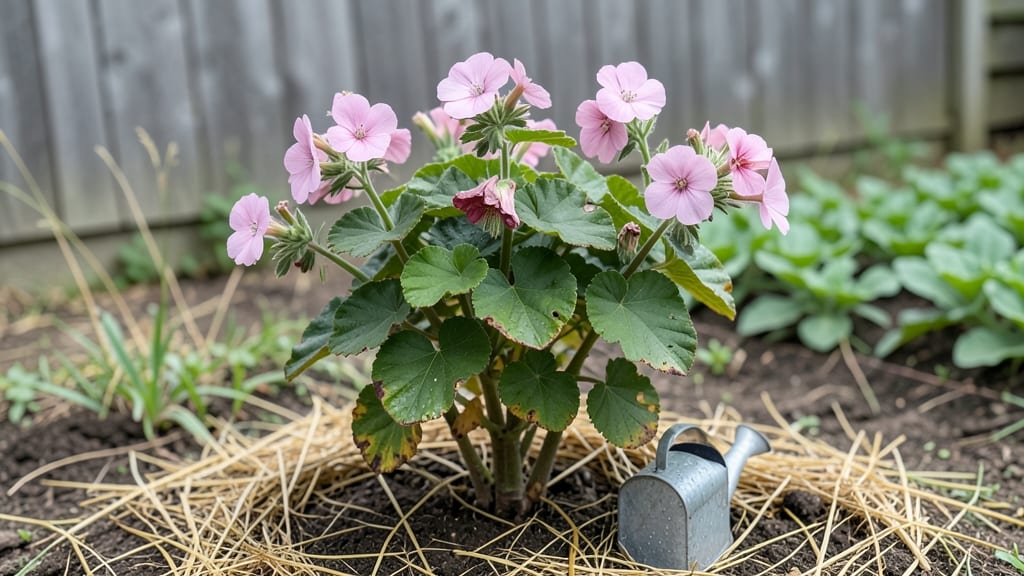
Mastering seed geranium care transforms your garden into a blooming paradise—here’s how I’ve coaxed vibrant, fragrant plants from tiny seeds with just the right touch of patience, light, and love. 🌱 moisture—not too much, not too little.
The first few weeks are the trickiest, but once those seedlings stretch toward the sun, you’ll be hooked on the process.
Start with a warm seed-starting mix in small pots or a seed tray—geranium seeds need light to germinate, so don’t bury them deep. A sunny windowsill or grow light keeps them happy, and a spray bottle keeps the soil damp but never soggy.
Most seeds sprout in 10-21 days, though some stubborn ones take longer. That’s where the magic happens: watching those first leaves unfurl like tiny green umbrellas.
By the time they’re ready to transplant, your seedlings will be sturdy enough to handle outdoor life. Pinch back the tips to encourage bushier growth, and feed them lightly with a balanced fertilizer every few weeks.
The payoff? Vibrant blooms from spring through fall, with fragrant leaves that perfume the air when brushed. It’s the kind of garden that makes neighbors stop and ask, “What’s that intoxicating scent?”
This method works for both classic zonal geraniums and the more delicate ivy types, though ivy geraniums need slightly more shade. Whether you’re growing in pots on a patio or tucking them into garden beds, the care routine stays the same—just adjust watering for containers.
Ready to turn those tiny seeds into a fragrant, flowering spectacle?
📚 In This Guide
- What you need
- Instructions
- Tips and common mistakes
- Wrapping up and next steps
What you need
- ● Seed geranium seeds – Choose high-quality, Pelargonium seeds (e.g., zonal, ivy, or scented varieties). Aim for 5–10 seeds per container for better germination.
- ● Seed-starting mix – A lightweight, well-draining mix (e.g., 50% peat moss + 50% perlite or vermiculite). Avoid garden soil—it’s too dense!
- ● Seed trays or small pots – 2–3 inch diameter containers work well. Use cell packs or biodegradable pots for easy transplanting.
- ● Clear plastic domes or plastic wrap – To create a humidity tent and retain moisture during germination.
- ● Spray bottle – For gentle watering (avoid over-saturating seeds!).
- ● Grow lights or sunny windowsill – Seedlings need 12–16 hours of light daily. A LED grow light (6–12 inches above seedlings) works best.
- ● Balanced fertilizer (5-10-5 or 10-10-10) – Diluted to half-strength once seedlings sprout 2–3 sets of true leaves.
- ● Pruning shears or scissors – For pinching back leggy seedlings and shaping mature plants.
- ● pH test kit – Ideal soil pH for geraniums: 6.0–7.0. Adjust with lime (to raise pH) or sulfur (to lower it).
- ○ Heat mat (optional for slow germinators) – Keeps soil at 70–75°F to speed up germination (especially in cool climates).
- ● Fertilizer spike or slow-release granules – Convenient for feeding established plants every 4–6 weeks.
- ● Support stakes or trellis – Useful for Ivy geraniums, which may need climbing support.
- ● Organic mulch (e.g., straw or pine needles) – Helps retain moisture and suppress weeds in outdoor plantings.
Instructions for growing healthy seed geraniums
Here's how to nurture your delicate geranium seedlings into robust, blooming plants.
🌱 Step 1: Start with Proper Light and Temperature
Geranium seeds need warmth to germinate—place your seed trays on a heat mat set to 70-75°F. Without this, germination can take 3-4 weeks instead of the usual 10-14 days. Keep the soil consistently moist but never soggy; a spray bottle works best to avoid disturbing seeds.
Once the first true leaves appear (not the initial seed leaves), move seedlings to a bright, indirect light spot. A south-facing window is ideal, but if natural light is weak, supplement with a grow light kept 3-4 inches above the plants. Watch for leggy growth—this means they're stretching toward light and need closer positioning.
💧 Step 2: Water Gently and Thin Seedlings
Water from the bottom of the tray to encourage strong root development. Let the top ½ inch of soil dry out between waterings—overwatering is the fastest way to kill young geraniums. When seedlings reach 1 inch tall, thin them so only the strongest plant remains per cell. Use clean scissors to snip weak stems at soil level, leaving no stubs.
Geraniums hate root disturbance, so handle them carefully during thinning. After trimming, water lightly to help the remaining plant settle. You'll see faster, bushier growth within 1-2 weeks once competition for nutrients is removed.
☀️ Step 3: Harden Off and Transplant
Two weeks before your last frost date, begin hardening off seedlings by placing them outside in partial shade for 1-2 hours the first day. Gradually increase exposure over 7-10 days, ending with full sun. Geraniums love 6+ hours of sunlight daily—once hardened, they'll thrive in full sun without burning.
Transplant to your garden or containers after all danger of frost has passed. Choose a spot with well-draining soil and space plants 12-18 inches apart. Water deeply after planting to help roots establish. Mulch with 1-2 inches of organic mulch to retain moisture and suppress weeds.
✂️ Step 4: Prune and Encourage Blooms
Pinch back the tips of new growth when plants reach 6 inches tall to promote bushier growth. Regular pruning also prevents leggy stems and encourages more blooms. Deadhead faded flowers by snipping just above a set of leaves—this redirects energy to new blooms instead of seed production.
Feed geraniums with a balanced liquid fertilizer every 4-6 weeks during the growing season. Stop fertilizing in late summer to allow plants to prepare for winter. In fall, cut back stems by ⅓ to tidy plants and encourage fresh spring growth.
Tips & tricks for perfect seed geranium care
Geraniums are rewarding but delicate—here's how to avoid common pitfalls and give your plants the best start.
Temperature Control: The 70-75°F heat mat temperature is non-negotiable for germination. I've seen seeds take 3-4 weeks to sprout when kept at room temperature (68°F) instead of the ideal range. Pro tip: Place a small thermometer on your heat mat to monitor temperature—fluctuations can delay germination. Once seedlings emerge, maintain consistent warmth until they're established.
Light Management: In Step 1, when moving seedlings to bright indirect light, watch for that classic "leggy" growth signal. If you notice stems stretching toward the light source, your plants need closer positioning. I keep my grow light just 3-4 inches above seedlings and adjust as they grow—this creates stocky, strong plants rather than weak, spindly ones.
Thinning Technique: The 1-inch height threshold for thinning is perfect timing—smaller seedlings are easier to handle without disturbing roots. Here's what nobody tells you: Use a butter knife instead of scissors for the first thinning. It gives you more control and creates cleaner cuts at soil level, reducing stress on remaining plants.
Harden Off Gradually: That 7-10 day hardening period is crucial, but don't rush it! I've seen plants shocked by sudden full sun exposure after only 3 days. Start with 1-2 hours in partial shade, then increase by 30 minutes each day. By day 7, they should handle 3-4 hours of morning sun before moving to full sun exposure.
Pro Tips for Seed Geranium Care
- Geraniums are rewarding but delicate—here's how to avoid common pitfalls and give your plants the best start.
- Temperature Control: The 70-75°F heat mat temperature is non-negotiable for germination.
- Light Management: In Step 1, when moving seedlings to bright indirect light, watch for that classic "leggy" growth signal.
Frequently asked questions
Got questions about keeping your seed geraniums happy and blooming? You’re not alone! Here are answers to the most common concerns—from planting to troubleshooting—so you can enjoy fragrant, vibrant foliage all year.
How long does it take for seed geraniums to germinate?
Seed geraniums typically sprout within 7–21 days after planting, depending on temperature and moisture. Keep the soil consistently moist (not soggy) and place the tray in a warm spot with indirect light. If germination takes longer than 3 weeks, check seed viability—some seeds may have expired or need light to trigger sprouting.
Why are my geranium leaves turning yellow?
Yellowing leaves usually signal overwatering or poor drainage. Geraniums hate soggy roots! Ensure pots have drainage holes and water only when the top inch of soil feels dry. Yellow edges with crispy texture? It’s likely underwatering or low humidity. Check for pests like spider mites too—they can stress plants.
Can seed geraniums survive winter outdoors?
Most seed geraniums (Pelargonium spp.) are tender perennials and won’t tolerate frost. If you love outdoor blooms year-round, dig up pots before the first freeze, trim back foliage, and store them in a cool (40–50°F), dark place. In mild climates, protect them with frost cloth or move containers to a sheltered spot.
Are there geranium alternatives that are easier to grow from seed?
Yes! If seed geraniums feel finicky, try these low-maintenance alternatives:
- Zonal geraniums (Pelargonium x hortorum): Hardier and more cold-tolerant than seed varieties.
- Coleus (Plectranthus scutellarioides): Stunning foliage, thrives in partial shade, and spreads easily.
- Sweet Alyssum (Lobularia maritima): Fast-growing, self-seeds, and attracts pollinators.
How often should I fertilize seed geraniums for best blooms?
Feed seed geraniums every 4–6 weeks during the growing season (spring–fall) with a balanced liquid fertilizer (10-10-10) or one high in phosphorus (like 5-10-5) to encourage blooming. Skip fertilizer in winter when growth slows. Over-fertilizing causes weak stems and fewer flowers—always dilute to half-strength if your plants look leggy.
Wrapping up and next steps
Caring for seed geraniums is all about patience, consistency, and a little love—and the rewards are worth it! With the right balance of sunlight, well-draining soil, and gentle maintenance, you’ll enjoy vibrant blooms and fragrant leaves that brighten up any space.
Whether you’re a seasoned gardener or just starting out, these tips will help you nurture thriving geraniums year-round.
Now that you’re armed with the know-how, why not take the next step? Grab those seeds, pick a sunny spot, and let your green thumb shine! 🌱✨ Happy gardening!