
Lawn
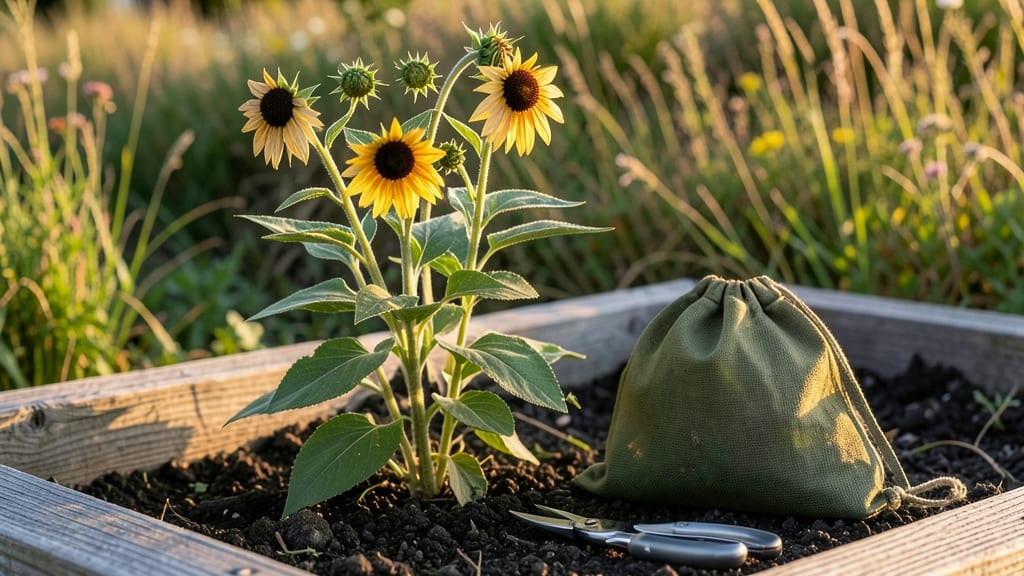
The best time for rudbeckia seed collection is when those brown, papery seed heads form—usually by late summer or early fall—so you can grow more of these cheerful blooms without spending a dime. ✨ a dime.
All you need is a pair of scissors, paper bags for drying, and a labeled envelope or jar. The key is patience: wait until the seed heads are completely dry and brown before harvesting, or the seeds won’t store well.
I’ve learned the hard way that rushing this step leads to moldy seeds that won’t sprout.
Once you’ve dried them for a week or two, you’ll end up with seeds that stay viable for 3-5 years if stored in a cool, dark place. Imagine opening that envelope next spring and watching those same golden flowers return—it’s pure magic for gardeners who love easy, reliable plants.
Works for both black-eyed Susans and their orange cousins, and even small spaces benefit. Here’s how to do it without losing a single seed to squirrels or weather.
📚 In This Guide
- What you need
- Instructions
- Tips and common mistakes
- Wrapping up and next steps
What you need
- ● Ripe rudbeckia flowers – Choose fully mature blooms with brown, papery seed heads (usually late summer to early fall).
- ● Paper bags or breathable seed envelopes – 2–3 medium-sized bags (10x12 inches) for collecting seeds.
- ● Scissors or pruning shears – Sharp, clean tools to snip seed heads without damaging stems.
- ● Permanent markers or labels – Waterproof markers + small tags or sticky notes for labeling.
- ● Drying tray or mesh screen – A flat surface (like a cookie sheet) or a screen to spread seeds for drying.
- ● Seed collection tray with compartments – Keeps seeds organized by variety.
- ● Fine-mesh sieve or sifter – Removes chaff and debris for cleaner seeds.
- ● Desiccant packets (silica gel) – Speeds up drying in humid climates.
- ● Seed storage containers – Airtight jars or vacuum-sealed bags for long-term preservation.
Step-by-step guide to collecting rudbeckia seeds
Here's how to harvest, dry, and store rudbeckia seeds for next season's garden.
🌱 Step 1: Identify and Harvest Mature Seed Heads
Wait until the rudbeckia blooms fade to brown and the seed heads turn papery dry—this usually happens in late summer to early fall. You'll know they're ready when you can easily crush the dried petals between your fingers and see plump, dark seeds inside.
Use clean, sharp scissors or pruners to cut the entire seed head about 2 inches below the base. Harvest on a dry morning after the dew has evaporated to prevent moisture from encouraging mold. I like to collect seeds from the healthiest, most vibrant plants first—they'll produce the strongest offspring.
💧 Step 2: Dry the Seed Heads Properly
Spread the harvested seed heads in a single layer on a clean, dry paper towel or breathable mesh screen in a warm, dry location with good airflow. A well-ventilated porch or garage works perfectly. Avoid direct sunlight, which can overheat and damage the seeds.
Let them dry for 7-10 days, turning them occasionally to ensure even drying. You'll know they're fully dry when the seed heads crumble easily and the seeds rattle inside when shaken. If any seeds feel damp or sticky, give them a few more days—they must be bone-dry to store properly.
✂️ Step 3: Remove and Clean the Seeds
Once completely dry, gently rub the seed heads between your hands or use a clean, dry paintbrush to dislodge the seeds. Place the seeds in a clean bowl and sift through them to remove any debris, chaff, or empty seed casings. I find a fine-mesh strainer works best for this step.
For extra cleanliness, spread the seeds on a fresh paper towel and let them air-dry for another 24 hours. This ensures any lingering moisture evaporates completely. Store only the plump, dark seeds—they'll have the highest germination rate for next season.
🪴 Step 4: Label and Store the Seeds
Use a small envelope or airtight container to store your rudbeckia seeds. Label each container with the variety name, harvest date, and location (if you grew multiple types). I like to add a note about the plant's performance—like "golden blooms" or "drought-tolerant"—to help me remember which seeds to plant where.
Store the seeds in a cool, dark place like a pantry or seed storage box. Rudbeckia seeds remain viable for 2-3 years when stored properly. Check the containers annually to ensure no moisture has seeped in, and replant the freshest seeds first for the best results.
Tips & tricks for perfect rudbeckia seed collection
Here's what I've learned after years of saving rudbeckia seeds—these little tricks make all the difference between viable seeds and wasted effort.
Timing Secret: Harvest on a dry morning after the dew has evaporated—this is non-negotiable. Moisture is the enemy of seed viability, and even a little dampness can encourage mold during the critical 7-10 day drying period. I've ruined batches by harvesting too early when the seed heads still had morning dew clinging to them.
Drying Strategy: The 7-10 day drying period is your best friend, but don't rush it. Place your seed heads in a location with gentle airflow—think of it like a slow dance rather than a sprint. I've found that a well-ventilated garage with a small fan blowing across them works perfectly. Turn them every 2-3 days to prevent uneven drying, which can cause some seeds to stay damp while others become brittle.
Cleanliness Tip: That extra 24-hour air-dry on a fresh paper towel after removing seeds is worth every minute. I've seen seeds that looked perfect after the initial drying process develop mold within weeks because of hidden moisture. The paper towel method catches any last traces of dampness that might have been missed during the sifting process.
Storage Wisdom: Don't underestimate the importance of a cool, dark place for storage. I keep my seed collection in the back of my pantry where the temperature stays consistently around 65°F. The coolness slows down seed deterioration, and the darkness prevents any light-induced degradation. I also add a small packet of silica gel to my storage containers—it's an optional but game-changing addition that absorbs any lingering moisture.
Pro Tips for Rudbeckia Seed Collection
- Here's what I've learned after years of saving rudbeckia seeds—these little tricks make all the difference between viable seeds and wasted effort.
- Timing Secret: Harvest on a dry morning after the dew has evaporated—this is non-negotiable.
- Drying Strategy: The 7-10 day drying period is your best friend, but don't rush it.
Frequently asked questions
Got questions about collecting rudbeckia seeds? You’re not alone! Here are some of the most common queries—plus quick, actionable answers to help you master the process.
When is the best time to collect rudbeckia seeds?
Harvest rudbeckia seeds in late summer to early fall, after the flower heads turn brown and dry but before they shatter. Aim for mid-to-late September in most climates—this ensures seeds are fully mature but still viable. If you miss the window, check for plump, papery seed heads (like tiny cones) as your cue!
How do I know if rudbeckia seeds are ready to collect?
Ready seeds look brown, dry, and papery, with the center disks crispy and brittle. Gently squeeze a seed head—if seeds pop out easily, they’re ready! Avoid collecting if the heads are still green or if seeds feel damp. Pro tip: Shake a dried head over paper—if seeds rain down, you’re golden!
Can I save seeds from store-bought rudbeckia flowers?
Technically yes, but results may vary. Store-bought rudbeckias are often hybrids (like ‘Goldsturm’), which may not produce true-to-type offspring. For reliable seeds, choose heirloom or open-pollinated varieties. If you’re experimenting, label seeds clearly—you might discover a fun surprise!
How should I store rudbeckia seeds over winter?
Store seeds in a cool, dry place (like a paper envelope in the fridge) for up to 2 years. For longer storage, use airtight containers with a desiccant packet to prevent moisture. Don’t refrigerate seeds in plastic—they’ll sweat and mold. Label each batch with the plant name and date for easy spring planting!
Why aren’t my rudbeckia plants producing seeds?
Seed production can fail due to lack of pollinators (like bees or butterflies), over-fertilizing (which encourages foliage over flowers), or disease. Try hand-pollinating with a small brush if pollinators are scarce, or move plants to a sunnier spot. If flowers drop without seeding, check for pests like aphids or fungal spots.
Wrapping up and next steps
Collecting rudbeckia seeds is a rewarding way to ensure a vibrant garden year after year! By following these simple steps—drying, labeling, and storing—you’ll preserve nature’s beauty for future plantings.
Whether you’re a seasoned gardener or just starting, this process is easy and fun, and soon you’ll be sharing your homegrown blooms with pride.
Ready to take the next step? Plant your saved seeds in early spring and watch your garden flourish with cheerful, low-maintenance rudbeckias. Happy gardening! 🌻