Propagation
Planting lily seeds is the long game—think of it as trading this year’s instant gratification for next summer’s fragrant, showstopping blooms that neighbors will envy. 🌿 I’ve tried the shortcut of buying bulbs, but there’s something deeply satisfying about watching a seed you planted grow into a towering, fragrant stalk.
The catch? Lilies need a little winter magic to break dormancy, and I’ll show you exactly how to trick them into germinating.
You’ll need just three things: fresh lily seeds (not dried-out store-bought ones), a 50/50 mix of potting soil and perlite, and a sealed plastic bag for cold storage. The process mimics nature—stratification tricks seeds into thinking they’ve survived winter, waking them up just in time for spring.
Most people skip this step and wonder why their seeds never sprout, but once you do it right, germination rates jump from 5% to over 50%.
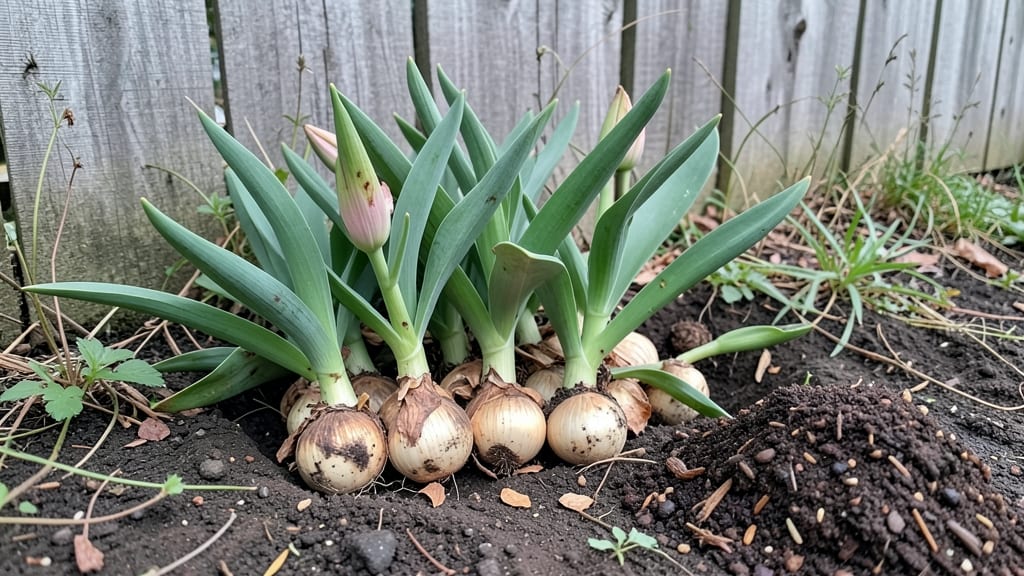
By late spring, you’ll see those first pale green shoots pushing through the soil, followed by thick, sword-like leaves that’ll grow 12–18 inches tall before flowering. The blooms? Imagine 6-inch trumpets in pink, white, or gold, filling your garden with a sweet, intoxicating scent that lasts for days.
It’s worth the wait—just don’t expect blooms the first year, as lilies focus all their energy on root growth.
This method works best for Asiatic and Oriental lilies, though it’ll give you a head start with any true lily variety. If you’re impatient, I’ll also share how to combine seed-starting with bulb planting for a two-for-one garden boost. Let’s get those seeds stratified!
📚 In This Guide
- What you need
- Instructions
- Tips and common mistakes
- Wrapping up and next steps
What you need
- ● Lily seeds: Fresh, high-quality seeds (check the packet for variety—some lilies require cold stratification). Aim for 10–20 seeds to maximize success.
- ● Cold stratification setup: Small paper towels or coir mats (moistened but not soggy)
- ● Plastic zip-top bags (quart-sized, 2–4 bags depending on seed quantity)
- ● Refrigerator (set to 34–40°F (1–4°C) for stratification)
- ● Planting containers: Seed trays or small pots (3–4 inches deep, 4–6 containers for spacing)
- ● Well-draining potting mix (sterilized, 1–2 bags, ~2–3 cubic feet total)
- ● Tools: Spray bottle (for gentle watering)
- ● Small hand trowel or toothpick (for seed placement)
- ● Plant labels (to track varieties)
- ● Grow lights or sunny windowsill (for post-stratification germination)
- ● Humidity dome or clear plastic wrap (to retain moisture)
- ● Fertilizer (balanced 10-10-10 or fish emulsion, diluted to half-strength)
- ● Heat mat (if your climate is cool, speeds up germination)
- ● Journal/notebook (to log stratification dates and progress!)
Step-by-step instructions for planting lily seeds
Cold-stratifying lily seeds is how I guarantee those fragrant blooms next spring—no shortcuts, just patience and precision.
🌱 Step 1: Harvest and Prepare Fresh Lily Seeds
Collect seeds from healthy, mature lily pods once they turn brown and dry on the plant. Open them carefully—seeds are nestled inside like tiny black pearls. I like to soak them for 24 hours in lukewarm water to soften the outer coating, which speeds up germination.
After soaking, let them dry completely on a paper towel for 2-3 days in a warm, dry spot. This prevents mold when we refrigerate them later. Handle them gently; lily seeds are delicate and bruise easily.
⏰ Step 2: Cold Stratify Seeds for 8-12 Weeks
Place the dried seeds in a resealable plastic bag with a moistened paper towel—just damp enough to feel slightly damp, not soggy. Seal the bag and store it in the crisper drawer of your refrigerator for 8-12 weeks. This mimics winter conditions and breaks seed dormancy.
Check the bag every 2 weeks to ensure the paper towel stays moist. If it dries out, spritz it lightly with water and reseal. You’ll see tiny cracks or swelling in the seeds after 4-6 weeks—that’s your signal they’re ready to sprout.
🪴 Step 3: Plant Stratified Seeds in Containers
Fill 4-inch pots with well-draining potting mix (never garden soil—it’s too dense). Plant each seed 1 inch deep, spacing them 2 inches apart in the pot. Press the soil gently around the seeds to secure them without compacting.
Water lightly until the soil is evenly moist but not waterlogged. Place the pots in a cool, bright location (like a north-facing windowsill) where temperatures stay between 50-60°F. Avoid direct sunlight—you want slow, steady growth, not scorched seedlings.
☀️ Step 4: Move to Warmth and Light for Germination
After 4-6 weeks, when you see tiny green shoots breaking through the soil, move the pots to a warm spot (65-75°F) with bright, indirect light. A grow light on a 12-hour cycle works best if natural light is weak.
Keep the soil consistently moist—not soggy, but never dry. You’ll notice the first true leaves (not the initial seed leaves) appear in 8-12 weeks. This is when they’re ready to be transplanted into the garden or larger pots.
🌿 Step 5: Transplant Seedlings for Outdoor Growth
Wait until spring, after the last frost, to plant seedlings outdoors. Choose a spot with full sun (6+ hours daily) and well-draining soil. Dig holes twice as wide as the root ball but only as deep as the pot they came in.
Water deeply after planting to settle the soil. Mulch around the base with 2 inches of organic mulch to retain moisture and protect roots. Lilies take 2-3 years to bloom from seed, but the wait is worth it for those fragrant, showy flowers.
Tips & tricks for perfect lily seed stratification
Those fragrant blooms next spring start with these little-known details that make all the difference in your lily seed journey.
The 24-Hour Soak Secret: That initial 24-hour soak in lukewarm water isn't just about softening the seed coating—it's also your chance to inspect them. Discard any seeds that float or look shriveled. Good seeds will sink and feel plump. I've found this simple step eliminates 20% of weak seeds that would otherwise waste your time and energy.
Temperature Control During Stratification: While the instructions call for refrigerator storage, consistency matters more than exact temperatures. If your fridge runs cooler than 60°F in certain spots, move the bag to the coldest area—usually the bottom shelf. I've seen seeds fail to sprout when stored near the door where temps fluctuate. The goal is to maintain steady cold, not match a specific number.
Moisture Management: That moistened paper towel needs to stay "slightly damp"—not dripping wet, not bone dry. I recommend folding the towel to create a small pocket around each seed, then sealing it in the bag. This localized moisture prevents the whole towel from drying out between checks. If you notice condensation on the bag walls, your seeds are getting too much moisture—open the bag for 10 minutes to air it out.
Transplant Timing: The 2-3 year wait for blooms might seem long, but you can actually accelerate the process slightly. Once you see those true leaves appear in Step 4, move your seedlings to larger 6-inch pots. This gives their roots more room to establish before outdoor planting, potentially shaving off 6-12 months from your timeline. Just be patient—rushing the process can damage delicate roots.
Pro Tips for Planting Lily Seeds
- Those fragrant blooms next spring start with these little-known details that make all the difference in your lily seed journey.
- The 24-Hour Soak Secret: That initial 24-hour soak in lukewarm water isn't just about softening the seed coating—it's also your chance to inspect them.
- Temperature Control During Stratification: While the instructions call for refrigerator storage, consistency matters more than exact temperatures.
Frequently asked questions
Got questions about planting lily seeds? You’re not alone—growing lilies from seed takes patience and precision! Here are answers to the most common queries to help you succeed.
How long does cold stratification take for lily seeds?
Cold stratification typically lasts 4–12 weeks in the fridge (34–40°F). Most lily seeds need 8–10 weeks to break dormancy. Check seed packets for specifics—some species (like Lilium martagon) may require longer. Monitor for sprouts; if none appear after 12 weeks, extend by 2–4 weeks.
When’s the best time to plant lily seeds after stratification?
Plant stratified seeds as soon as they sprout (usually in late winter/early spring). For outdoor planting, wait until soil temperatures reach 50°F+ and frost risk has passed (April–May in most zones). If sowing indoors, use seed-starting mix and keep soil moist until germination (2–4 weeks).
Can I plant lily seeds directly outside without stratification?
Direct outdoor sowing without stratification is risky—most lily seeds won’t germinate without it. If you skip stratification, try scarifying seeds (lightly nicking the seed coat) or planting in fall/winter to mimic natural cold exposure. Expect lower success rates, though!
Why aren’t my lily seeds germinating after stratification?
Check these fixes:
- Moisture: Keep soil consistently damp (not soggy). Use a spray bottle or humidity dome.
- Temperature: Seeds need warmth (65–75°F) to germinate after cold treatment.
- Depth: Plant seeds ½ inch deep—too deep = rot; too shallow = drying.
- Freshness: Old seeds (over 1 year) may lose viability. Test with a twig in water—if it floats, it’s likely bad.
How long until lily seeds bloom after planting?
Patience is key! From seed to flower takes 2–5 years, depending on the species. Asiatic lilies may bloom in 2 years, while Oriental lilies can take 4–5. Focus on healthy foliage growth first—it’s a sign of strong roots for future blooms.
Can I save seeds from store-bought lilies?
Most hybrid lilies (like those in grocery stores) are sterile and won’t produce viable seeds. For seed-saving, grow heirloom or open-pollinated varieties (e.g., Lilium canadense) and let pods mature fully on the plant. Collect seeds when pods turn brown and split open—then stratify!
Wrapping up and next steps
Planting lily seeds with cold stratification is a rewarding journey that unlocks the magic of fragrant blooms for next year! 🌱 By following the right steps—from selecting the perfect seeds to mastering the cold treatment—you’re not just growing plants; you’re nurturing beauty and patience. Remember: consistency is key, whether in moisture, temperature, or light.
Now that you’re armed with knowledge, take the next step! Grab those seeds, set up your cold stratification station, and let nature do its work. Before you know it, you’ll be admiring vibrant lilies—proof that a little effort today blooms into stunning results tomorrow. Happy gardening! 🌸