
Propagation
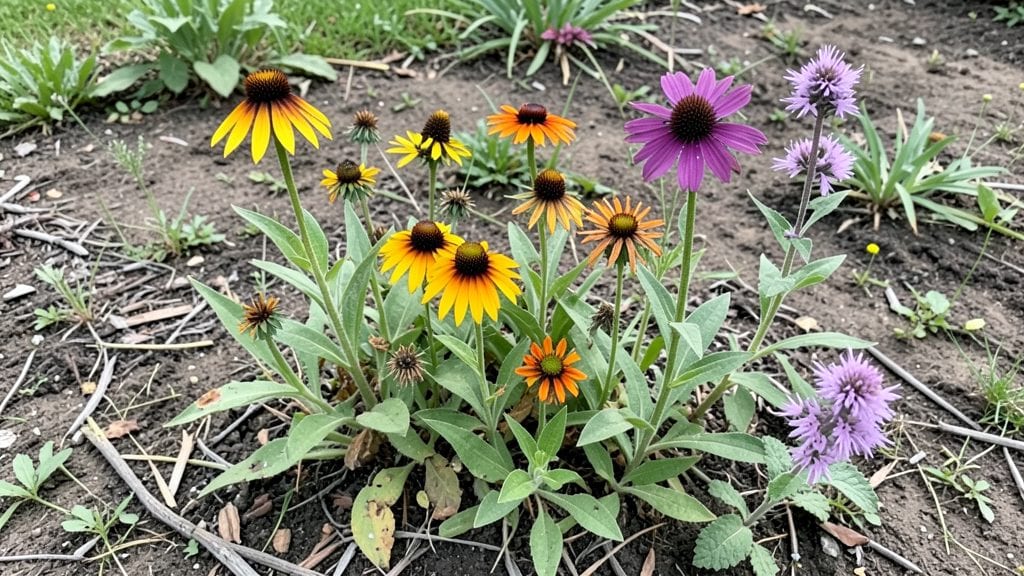
A wildflower seeds mix transforms bare ground into a vibrant, ever-changing meadow in just one season. 🌼 I’ve planted mine in neglected corners of the yard, and within weeks, the soil comes alive with delicate stems pushing through.
The key isn’t complicated—it’s about mimicking nature’s own planting process, where seeds scatter and sunlight does the rest.
You’ll need a sunny spot, loose soil, and a light touch—no heavy tilling or precise rows. Most mixes include a blend of annuals and perennials, so you get blooms the first year and lasting color for years after.
Water lightly at first, then let the rain take over. The real magic happens when pollinators discover your patch, turning your garden into a buzzing, colorful ecosystem.
By midsummer, you’ll have clusters of purple coneflowers, golden black-eyed Susans, and tiny blue forget-me-nots swaying in the breeze. The colors shift with the seasons, from spring’s pale pinks to fall’s fiery reds.
Even a small area—just 5 feet by 5 feet—can support bees, butterflies, and birds better than a manicured lawn ever could.
Works in urban gardens, rural fields, or even along fences. The only rule? Don’t overthink it. Nature handles the rest once you get the seeds down. Here’s how to make it happen without the guesswork.
📚 In This Guide
- What you need
- Instructions
- Tips and common mistakes
- Wrapping up and next steps
What you need
- ● Wildflower seed mix: Choose a pre-mixed blend (e.g., Native Wildflower Mix) or create your own with species like Black-eyed Susan, Coneflower, or Cosmos. Aim for 1–2 lbs per 100 sq ft for optimal coverage.
- ● Soil: Well-draining, loamy soil (amend with compost if needed). Test pH—most wildflowers thrive in 6.0–7.5.
- ● Watering can or hose: With a gentle spray nozzle for even moisture.
- ● Rake or hoe: For light soil prep (avoid deep tilling—wildflowers love undisturbed roots!).
- ○ Gloves: Optional but helpful for handling seeds and soil.
- ● Straw or mulch: Lightly cover seeds with ¼-inch of material to protect from birds and retain moisture.
- ● Markers or flags: To label your planting area (e.g., "Plant in Spring").
- ○ Optional: Seedling trays (for starting indoors, 4–6 weeks before last frost).
- ● Organic fertilizer (low-nitrogen, like 5-5-5) for nutrient boost.
- ● Bird netting (to deter seed-eating critters temporarily).
- ● Sunlight: 6+ hours of direct sun daily (most wildflowers are sun-worshippers!).
- ● Timing: Plant in early spring or fall (avoid summer heat). Check your USDA hardiness zone for best results.
- ● Patience: Germination takes 7–21 days—resist the urge to over-water!
How to create a vibrant wildflower meadow from seed
Turn your yard into a living tapestry of color with this simple, foolproof method.
🌱 Step 1: Prepare the Soil for Optimal Germination
Clear the area of weeds and debris, then loosen the top 4-6 inches of soil with a garden fork or tiller. Wildflowers thrive in poor soil, so don't amend with compost or fertilizer—this encourages aggressive grasses that will crowd out delicate blooms. Instead, rake the surface smooth to create a fine seedbed.
For best results, prepare the ground in early spring or late summer when temperatures are mild. If planting in fall, do it at least 6-8 weeks before the first frost so seeds have time to establish roots before winter. I like to lightly water the area the day before sowing to settle the soil.
🌿 Step 2: Scatter Seeds Evenly for Natural Beauty
Open the wildflower seed mix and spread it evenly across the prepared area. For a natural meadow look, don't worry about perfect coverage—some bare spots will fill in over time. Use a broadcast spreader for large areas or simply toss handfuls and walk away to let seeds disperse naturally.
Lightly rake the seeds into the soil with a stiff-bristled rake, pressing them just enough to ensure good soil contact. This prevents seeds from washing away during watering. I aim for 1/8 inch depth—any deeper and they may not germinate. For slopes, sow seeds perpendicular to the grade to prevent erosion.
💧 Step 3: Water Gently to Encourage Germination
Water the area immediately after sowing with a fine mist or gentle rain setting on your hose. Keep the soil consistently moist but never soggy for the first 2-3 weeks—this is critical for seedling establishment. I water twice daily in the morning and evening if we're experiencing dry spells.
Once seeds germinate and seedlings reach 2-3 inches tall, reduce watering to once weekly. Wildflowers are drought-tolerant once established, but young plants need consistent moisture. You'll see the first sprouts in 10-21 days, depending on species and weather conditions.
☀️ Step 4: Maintain Through the First Growing Season
Allow the wildflowers to grow undisturbed for their first year. They'll establish deep roots and store energy for a spectacular second-year bloom. Avoid mowing until after the first frost when growth slows dramatically. I wait until late fall or early winter to cut back growth, leaving seed heads for wildlife.
In subsequent years, mow once annually in late spring before new growth begins. This prevents woody plants from dominating and keeps your meadow looking fresh. Wildflowers thrive with minimal care—just watch them transform your landscape into a pollinator paradise!
Tips & tricks for perfect wildflower meadows
Transforming your yard into a thriving wildflower meadow takes patience and a few key strategies that make all the difference.
Soil Preparation Secret: The most important step is loosening that top 4-6 inches of soil without adding compost or fertilizer. Wildflowers love lean soil—it prevents aggressive grasses from taking over. I use a garden fork to break up compacted areas, then rake smooth. This creates the perfect seedbed for those delicate blooms to establish roots.
Timing is Everything: Plant in early spring or late summer when temperatures are mild, but if you're doing fall planting, mark your calendar 6-8 weeks before the first frost. This gives seeds time to germinate and develop strong roots before winter. I always do a quick soil moisture check the day before sowing—lightly watered soil settles better for seed contact.
Watering Wisdom: Those first 2-3 weeks are critical for seedling establishment. I set a reminder to water twice daily with a fine mist—morning and evening—especially during dry spells. Once seedlings reach 2-3 inches, I switch to weekly watering. The key is keeping soil moist but never soggy; wildflowers hate wet feet!
Mowing Strategy: Don't touch that first-year growth! Let those plants establish deep roots and store energy for next year's spectacular bloom. I wait until late fall or early winter to do my first cut, leaving seed heads for birds and bees. In subsequent years, one annual mow in late spring keeps things tidy without harming your meadow.
Pro Tips for Mix Wildflower Seeds
- Transforming your yard into a thriving wildflower meadow takes patience and a few key strategies that make all the difference.
- Soil Preparation Secret: The most important step is loosening that top 4-6 inches of soil without adding compost or fertilizer.
- Timing is Everything: Plant in early spring or late summer when temperatures are mild, but if you're doing fall planting, mark your calendar 6-8 weeks before the first frost.
Frequently asked questions
Got questions about mixing wildflower seeds? Here are some of the most common ones—and their answers—to help you create a stunning meadow in no time!
When is the best time to plant wildflower seeds?
For most regions, early spring or late summer/fall are ideal. Spring planting gives seeds time to establish roots before summer heat, while fall planting takes advantage of cooler temps and winter moisture. Check your seed packet for region-specific timing—some varieties have unique needs!
How much water do wildflower seeds need?
Keep soil consistently moist (but not soggy) for the first 2–3 weeks after planting. Once sprouted, wildflowers are drought-tolerant—overwatering can even harm them! Aim for about 1 inch of water per week, either from rain or gentle watering.
Can I mix wildflower seeds with grass seed?
Yes! Many gardeners blend wildflower seeds with clover or fine fescue for a low-maintenance lawn alternative. Just ensure your grass seed is non-competitive (like creeping red fescue) and plant wildflowers in thin layers to avoid shading issues. Pro tip: Use a wildflower-grass mix designed for your climate.
Will wildflowers attract bees and butterflies?
Native wildflower mixes are bee and butterfly magnets, especially if you include nectar-rich varieties like coneflowers, milkweed, or black-eyed Susans. For maximum impact, plant in sunny, open areas and avoid pesticides—these pollinators thrive on natural blooms!
What if my seeds don’t sprout?
Don’t panic! Wildflower seeds often need stratification (a cold period) or scarification (light scratching) to germinate. Try lightly raking soil after planting or chilling seeds in the fridge for 2–4 weeks. If using a pre-mixed blend, check for freshness—older seeds may have lower viability.
How long until I see blooms?
Most wildflower mixes bloom in 60–90 days, but some perennials (like coneflowers) may take 1–2 years to reach full glory. Annuals (like cosmos or zinnias) deliver fast color, while perennials reward you with years of beauty. Patience pays off!
Wrapping up and next steps
Transforming your space into a vibrant, low-maintenance wildflower meadow is easier than you think! With the right mix of wildflower seeds, you’ll unlock a cascade of colors that attract pollinators and bring life to any corner.
Whether you’re a gardening newbie or a seasoned pro, this project is a rewarding way to connect with nature—one bloom at a time.
Ready to dive in? Start small—try a single patch or container—and let your creativity (and the bees!) guide you. Soon, you’ll be watching your garden burst into color like a dreamy, sunlit meadow. Happy planting! 🌸🌼