
Trees
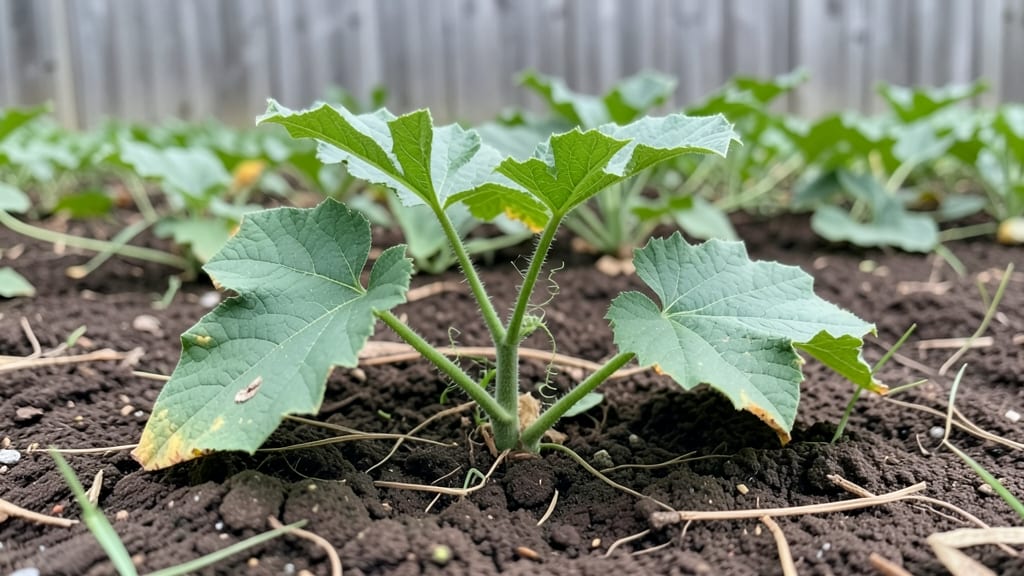
Mastering melon seedling identification early means you’ll avoid thinning or pulling the wrong plants—here’s how to spot them before they get crowded. 🌱 The first clue is those round, fuzzy cotyledons (the baby leaves) that look like tiny watermelon slices, paired with a hairy stem that feels like a soft brush.
Cantaloupe and honeydew seedlings often have slightly lighter green cotyledons, while muskmelon seedlings might show a faint reddish tint at the stem base.
Once the true leaves appear (the second set, after cotyledons), melon seedlings reveal their real personality. Look for deeply lobed, jagged-edged leaves that resemble a rough maple shape—this is classic melon family architecture.
Weeds or other vines (like cucumbers) usually have smoother, simpler leaves, so a quick leaf-shape check can clear up confusion in just seconds.
Correct identification means you’ll know exactly when to transplant (after the third true leaf) or thin seedlings to give them room to sprawl. Melons need at least 2 feet of space between plants, so catching them early avoids overcrowding and weak vines.
The payoff? Stronger plants that produce sweeter, heavier fruit by harvest time.
Pro tip: If seedlings look leggy or pale, they’re stretching for light—move them to a sunny windowsill or grow light immediately. This guide covers the most common melon varieties, but the same leaf patterns apply to squash and pumpkins too.
Once you’ve mastered the basics, you’ll spot melon babies in your garden before they even poke through the soil.
Understanding Seedling Struggles
Identifying melon seedlings correctly is just the first step—understanding why they sometimes fail to thrive (or even sprout at all) helps gardeners take proactive action. Below, we break down the most common reasons behind misidentification or poor seedling development, rooted in science but framed for practical solutions.
Melon seeds need precise conditions to sprout, and even slight deviations can lead to weak, stunted, or misidentified seedlings.
- Temperature extremes: Melons thrive in soil temps between 70–95°F (21–35°C). Below 60°F (15°C), seeds may rot; above 100°F (38°C), they can dry out before sprouting. Pro tip: Use a seedling heat mat if your climate is cool.
- Moisture imbalance: Too little water causes seeds to dry out; too much suffocates them. Aim for consistently damp (not soggy) soil—like a wrung-out sponge.
- Light exposure: Seeds buried too deep (over 1 inch) may struggle to reach light, leading to etiolation (long, weak stems) or failure to emerge. Solution: Plant seeds ½ inch deep in well-draining soil.
Seedlings can be misidentified as "weak" when they’re actually battling invisible pathogens. Fungal diseases like damping-off or powdery mildew target young melon plants, causing:
- Stunted growth: Fungi block nutrient uptake, making seedlings appear "underdeveloped" even if they’re the correct species.
- Dark lesions or mold: Check the soil line—blackened stems or white fuzzy growth are red flags.
- Prevention: Sterilize soil with a 10-minute bake at 180°F (82°C) or use fungicide-treated seeds. Space seedlings for airflow to reduce humidity.
Tiny pests can sabotage seedlings before they’re identifiable, leaving gardeners confused about why nothing sprouted.
| Pest | Damage Signs | Solution |
|---|---|---|
| Cutworms | Seedlings severed at the base; holes in leaves. | Use collars (toilet paper tubes) around stems or apply Bt (Bacillus thuringiensis) spray. |
| Aphids | Sticky residue ("honeydew"), curled leaves. | Spray with soapy water or introduce ladybugs. |
| Rodents (squirrels, mice) | Unearthed seeds or dug-up soil. | Cover seeds with hardware cloth until sprouted. |
If you’re growing multiple seed types in the same tray, misidentification can happen before the first true leaves appear. Cotyledons (the first "leaves") vary by species:
- Cucumbers: Round, lobed cotyledons.
- Melons (e.g., cantaloupe, honeydew): Heart-shaped, smoother edges.
- Squash: Broad, almost shield-like. Fix: Label trays by variety or sow seeds in individual pots to avoid confusion.
Improper soil chemistry can stunt seedlings, making them look "off" even if they’re the right species.
- Nitrogen (N) deficiency: Pale, yellowing leaves (chlorosis) due to lack of nitrogen. Fix: Use a balanced fertilizer (10-10-10) at half-strength.
- Phosphorus (P) shortage: Dark green leaves but weak stems. Boost with bone meal or compost.
- Salt buildup: Over-fertilized soil can cause osmotic stress, stunting growth. Flush soil with water to leach excess salts.
Quick Fixes for Seedling Struggles
When your melon seedlings aren’t thriving, the right approach depends on the root cause. Below, we break down practical solutions—from immediate fixes to long-term prevention—so your seedlings grow strong and healthy. 🌱💪
Signs: Stunted growth, yellowing leaves, or seedlings leaning toward light. Fix:
- Thin seedlings by gently pulling out weaker ones, leaving the strongest 2–3 inches apart. Use scissors for clean cuts if needed.
- Repot immediately if seedlings are too close in trays. Transplant to larger containers or directly into the garden, ensuring soil depth matches their current height.
- Prevent overcrowding by spacing seeds correctly from the start (check seed packet guidelines) and avoid over-filling seed trays.
Pro Tip: 💡 Use a small hand trowel to loosen soil around roots before transplanting—it reduces shock!
Signs: Wilting, crispy edges, or mushy stems (overwatering) vs. dry, curled leaves (underwatering). Fix:
- For underwatering:
- Water deeply at the base (not overhead) until soil is moist 1–2 inches down. Use a moisture meter or stick your finger in to check.
- Mulch with straw or coconut coir to retain moisture and prevent evaporation.
- For overwatering:
- Let the top inch of soil dry out between waterings. Ensure pots have drainage holes.
- If roots are waterlogged, transplant to well-draining soil and reduce frequency.
Pro Tip: 🌡️ Morning watering is best—it gives leaves time to dry, reducing fungal risks.
Signs: Leggy, pale seedlings (too little light) or scorched leaves (too much direct sun). Fix:
- Too little light?
- Move seedlings closer to a south-facing window or under grow lights (12–16 hours/day). LED or fluorescent bulbs work well.
- Rotate trays daily for even growth.
- Too much sun?
- Provide partial shade with a sheer curtain or shade cloth (30–50% coverage).
- Harden off seedlings gradually if transitioning outdoors—start with 2–3 hours of morning sun.
Pro Tip: ✨ A simple DIY light stand with a lamp on a timer can save your seedlings from stretching!
Signs: Holes in leaves, sticky residue (aphids), or chewed stems (caterpillars). Fix:
- For aphids/spider mites:
- Spray with neem oil solution (1 tsp neem oil + 1 tsp mild soap per quart of water). Reapply every 5–7 days.
- Introduce beneficial insects like ladybugs or lacewings.
- For cutworms or slugs:
- Create collars from cardboard or aluminum foil around seedlings.
- Set up beer traps (bury a cup filled with beer—slugs crawl in and drown).
Pro Tip: 🎯 Check undersides of leaves at dusk—pests are most active then!
Signs: Slow growth, blackened stems, or wilting despite proper watering. Fix:
- If too cold (<50°F/10°C):
- Move seedlings to a warmer spot (like a greenhouse or near a heat mat).
- Cover with floating row covers for extra insulation.
- If too hot (>90°F/32°C):
- Provide afternoon shade and increase humidity with a humidifier or pebble tray.
- Ensure airflow with a small fan on low speed.
Pro Tip: 🔥 Seedlings love consistency—avoid drastic temperature swings overnight!
Signs: Yellowing leaves (nitrogen), purple stems (phosphorus), or weak stems (potassium). Fix: - For general weakness: - Use a balanced liquid fertilizer (10-10-10 or 5-5-5) diluted to half-strength.
Apply every 2 weeks. - Fish emulsion or compost tea adds organic nutrients without burning tender roots. - For specific deficiencies: - Nitrogen (yellow leaves): Add a banana peel tea (steep peels in water for 2 days). - Magnesium (yellow between veins): Sprinkle Epsom salt (1 tbsp/gallon) around the base.
Pro Tip: 📊 Over-fertilizing is worse than under! Start slow and monitor leaf color changes.
Signs: White powdery spots, black mold, or leaf spots. Fix:
- For powdery mildew:
- Spray with baking soda solution (1 tsp baking soda + 1 quart water + a drop of soap).
- Improve air circulation by spacing seedlings wider apart.
- For damping-off (black stems):
- Sterilize tools and trays with 10% bleach solution between uses.
- Use pasteurized soil or a mix of coco coir and perlite to reduce moisture retention.
Pro Tip: 🌡️ Avoid watering leaves—always water at the soil level to prevent fungal spores from spreading.
Frequently asked questions
How do I tell the difference between cantaloupe and honeydew seedlings?
Cantaloupe seedlings often show a faint reddish tint at the stem base and have slightly more jagged leaf edges compared to honeydew. Honeydew seedlings tend to have smoother, lighter green cotyledons and a more rounded leaf shape. Check the seed packet for variety-specific details—some hybrid types may blend these traits.
Can I transplant melon seedlings too early?
Yes, but it stunts growth. Wait until seedlings have 3-4 true leaves and are at least 2-3 inches tall. Transplanting too soon stresses roots, making them more vulnerable to disease. Harden off seedlings first by exposing them to outdoor conditions for 5-7 days before moving them to the garden.
Why do my melon seedlings look like weeds?
Weeds often have simpler, smoother leaves while melon seedlings develop deeply lobed, jagged-edged leaves (like a rough maple shape). Check the stem too—melons have hairy stems while most weeds have smooth or fuzzy stems. If unsure, wait for true leaves to appear before thinning.
How do I save leggy melon seedlings?
Leggy seedlings need more light. Move them to a south-facing window or under grow lights (12-16 hours/day). Bury the stem up to the first true leaves to encourage stronger root growth. If already transplanted, provide afternoon shade to prevent sunburn while they adjust.
What if my melon seedlings have yellow leaves?
Yellow leaves usually mean overwatering or nutrient deficiency. Let the top inch of soil dry out between waterings. For nutrients, use a balanced fertilizer (5-5-5) at half-strength. If only older leaves yellow, it’s normal aging—focus on new growth.