
Lawn
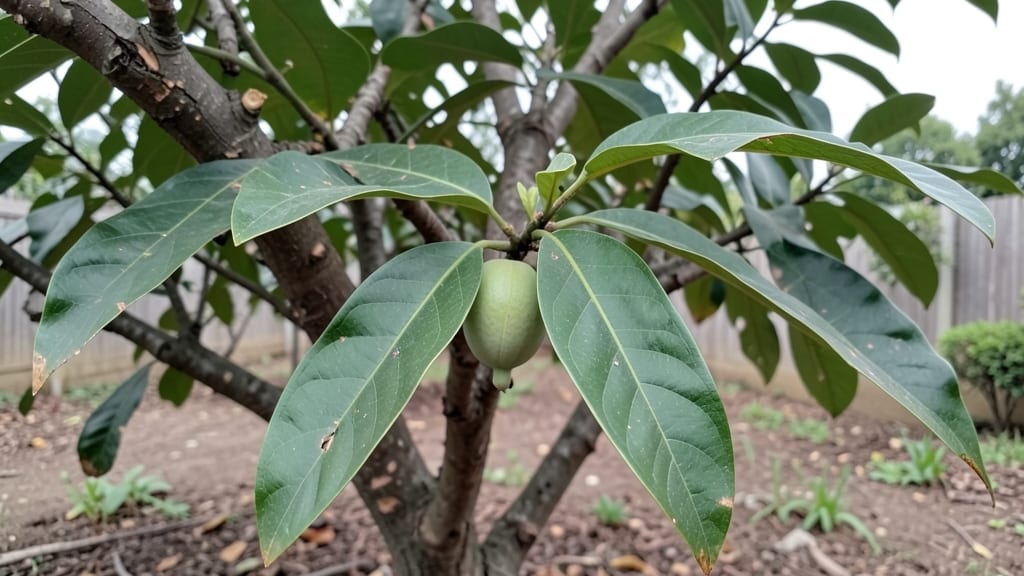
That tiny mango seed pod from your grocery store mango could grow into a tree with bright green leaves and fragrant white blooms—if you know the right steps. 🌱 I’ve turned kitchen scraps into thriving saplings by following a simple process that skips the nursery and starts with what you already have.
The secret isn’t complicated: a damp paper towel, a clear container, and patience. Most people give up when the seed takes weeks to sprout, but that’s just nature’s way of teaching you the lesson—good things take time.
Once it breaks through, you’ll transplant into soil and watch it grow into a plant that could one day bear fruit.
By summer, your seedling might be tall enough to move outside, where it’ll crave full sun and well-draining soil. The real magic happens when it starts flowering, though that takes years—so enjoy the journey of watching it grow from a tiny sprout to a tropical statement piece in your yard.
Fair warning: this isn’t a fast process, but the payoff—even if it’s just a beautiful tree—makes every step worth it. Here’s exactly how to turn that pit into a plant that’ll outlive you (or at least your coffee mug collection).
📚 In This Guide
- What you need
- Instructions
- Tips and common mistakes
- Wrapping up and next steps
What you need
- ● Mango seed pod: 1 fresh, organic mango (preferably a variety like Alphonso or Keitt for better germination). Tip: Avoid hybrid or seedless mangos!
- ● Small pot or container: 1 (4–6 inches deep) with drainage holes. Pro tip: A plastic cup with holes poked in the bottom works too!
- ● Well-draining potting mix: 1 bag (look for a blend labeled "seed starting" or "cactus/succulent mix").
- ● Watering can or spray bottle: 1 (for gentle hydration).
- ● Plastic wrap or humidity dome: 1 (to create a mini greenhouse effect).
- ● Patience (and sunlight!):strong> Your seedling will need bright, indirect light (4–6 hours daily).
- ● Seedling heat mat: 1 (keeps soil warm for faster germination).
- ● Fertilizer (balanced, 10-10-10): 1 small bottle (once leaves appear).
- ● Larger pot (10+ inches): 1 (for transplanting after 3–6 months).
- ● Pruning shears: 1 (for shaping as it grows).
- ● Grow lights: 1–2 (if natural light is limited).
Step-by-step instructions for growing a mango tree from a seed pod
Here's how to turn that grocery store mango pit into a thriving tropical tree.
🌱 Step 1: Extract and Prepare the Seed
Start with a fresh, firm mango seed pod—avoid any that feel soft or moldy. Cut through the hard outer shell with a sharp knife, exposing the single large seed inside. Rinse the seed under cool water to remove any fruit residue, then let it air-dry completely for 24 hours on a paper towel.
Here's the thing—don't rush this drying step. A damp seed won't germinate properly and may develop fungus. Place it in a warm, dry spot away from direct sunlight. You'll know it's ready when the outer shell feels slightly rough to the touch and no moisture remains.
💧 Step 2: Soak and Plant the Seed
Fill a small container with well-draining potting mix (if you have it) or a mix of equal parts perlite and peat moss. Press the soil down lightly so it's firm but not compacted. Make a small hole about 1 inch deep in the center using your finger.
Place the dried seed into the hole with the flat side down. Cover it completely with soil, then water gently until the surface feels evenly moist. Don't soak it—just enough to settle the soil around the seed. Place the container in a warm spot (70-80°F) with indirect light.
☀️ Step 3: Wait for Germination and Provide Care
Germination can take anywhere from 2-6 weeks, depending on temperature and humidity. Keep the soil consistently moist—water when the top inch feels dry to the touch. You'll see a tiny sprout emerge first, followed by the first true leaves in about 1-2 weeks after sprouting.
Once the sprout reaches 3-4 inches tall, move it to a brighter location with 4-6 hours of indirect sunlight daily. Direct sun at this stage can scorch the delicate young leaves. If you notice the leaves turning yellow or wilting, it's a sign of either overwatering or too much light.
🪴 Step 4: Transplant and Encourage Growth
After the seedling develops its third set of true leaves (usually around 3-4 months), it's ready for its first transplant. Choose a slightly larger pot with drainage holes and fill it with fresh potting mix. Gently remove the seedling from its original container, loosening the roots if they're tightly bound.
Plant it at the same depth it was growing before, then water thoroughly to help it settle. Place the pot in a spot with bright, indirect light and maintain a consistent watering schedule—water when the top inch of soil feels dry. You'll see new growth within a few weeks, signaling that your little tree is thriving.
⏰ Step 5: Maintain and Prepare for Outdoor Life
Continue growing your mango seedling indoors for at least 6-12 months to build its strength. Once it reaches 1-2 feet tall and has a sturdy stem, you can begin the process of acclimating it to outdoor conditions. Start by placing it outside in a sheltered spot for 1-2 hours daily, gradually increasing its time outdoors over 2-3 weeks.
Real talk: Don't rush this step. Sudden exposure to full sun or cold temperatures can shock the plant and stunt its growth. Once it's fully hardened off, you can plant it in the ground (if you live in a tropical or subtropical climate) or keep it in a large container where it can continue growing as a houseplant.
Tips & tricks for growing a mango tree from a seed pod
Growing a mango tree from a seed pod is surprisingly simple—but these small details make all the difference between a thriving plant and a failed experiment.
Seed Selection Matters: Always choose a seed from a ripe, firm mango that feels heavy for its size. Soft or moldy pods won't produce viable seeds. I've learned the hard way—once I used a seed from a mushy mango, and nothing sprouted. The 24-hour drying period in Step 1 is non-negotiable; damp seeds develop fungus and rot before they even begin to germinate. Place your seed on a paper towel in a warm spot (around 70-80°F) and check daily for that slightly rough texture.
Soil and Moisture Balance: The mix of perlite and peat moss in Step 2 creates perfect drainage while retaining just enough moisture. Too much water causes root rot, while too little prevents germination. I use a spray bottle to mist the soil after planting rather than pouring water directly—this keeps the soil evenly moist without creating soggy pockets. After planting, place a clear plastic bag loosely over the container to create a mini greenhouse effect, which helps maintain humidity during the critical 2-6 week germination period.
Lighting Strategy: Indirect light is key during the early stages, especially once your sprout reaches 3-4 inches in Step 3. I place my seedlings near an east-facing window where they get morning sun but are shielded from harsh afternoon rays. If you don't have natural light options, a grow light on a timer (4-6 hours daily) works wonders. Watch for yellowing leaves—they're your plant's way of saying "too much light" or "too much water."
Transplanting Timing: Wait until your seedling has its third set of true leaves (around 3-4 months) before transplanting in Step 4. This gives the roots enough strength to handle the move. When repotting, gently loosen the roots with your fingers—don't pull them apart. The goal is to disturb the root ball as little as possible while encouraging outward growth. After transplanting, keep the soil consistently moist but not soggy for the first week to help the seedling establish itself.
Pro Tips for Mango Seed Pod
- Growing a mango tree from a seed pod is surprisingly simple—but these small details make all the difference between a thriving plant and a failed experiment.
- Seed Selection Matters: Always choose a seed from a ripe, firm mango that feels heavy for its size.
- Soil and Moisture Balance: The mix of perlite and peat moss in Step 2 creates perfect drainage while retaining just enough moisture.
Frequently asked questions
Got questions about growing a mango seed pod into a tropical tree?
You’re not alone! Here are answers to the most common queries—from patience tips to troubleshooting—so you can turn that kitchen scrap into a lush, fruiting tree in no time.
How long does it take for a mango seed pod to sprout?
A mango seed pod typically sprouts within 2–4 weeks if kept in warm, moist conditions. Place it in a sunny spot (like a south-facing window) and maintain consistent humidity. If nothing happens after 4 weeks, gently check for mold or rot—adjust moisture or try a fresh seed.
Do I need to soak the mango seed pod before planting?
Soaking isn’t required, but it can speed up germination! Soak the seed pod in warm water for 24 hours before planting to soften the outer shell. Skip this step if the pod is already damp or if you’re impatient—just plant it directly in moist soil and keep it warm.
Can I grow a mango tree indoors, or does it need outdoor conditions?
Start indoors for germination and early growth, but mango trees thrive outdoors long-term. Once sprouted, keep it near a bright window until it’s 6+ inches tall. Transition to outdoor pots (or ground) in spring/summer after the last frost—mangoes love full sun (6+ hours/day) and warm climates (Zones 10–11).
What do I do if my mango seedling’s leaves turn yellow?
Yellow leaves usually signal overwatering, underwatering, or nutrient deficiency. Check the soil—it should stay moist but not soggy. Adjust watering (let the top inch dry between waterings) and fertilize lightly with a balanced liquid fertilizer (10-10-10) every 4–6 weeks. Too much sun can also scorch leaves—provide partial shade if needed.
Will my mango seed pod tree actually produce fruit?
Most mango trees grown from seed won’t fruit for 5–10 years (or ever), but they’ll grow into stunning ornamental trees! For faster fruiting, graft a cultivated variety onto your seedling once it’s 1–2 years old. Even if it doesn’t bear fruit, enjoy its glossy leaves and tropical vibes—plus, it’s a great shade tree!
Wrapping up and next steps
Growing a mango seed pod into a thriving tropical tree is a rewarding journey that connects you to nature’s bounty—and it starts with just one tiny scrap! 🌱 Whether you’re drawn to the sweet scent of mango blossoms or the joy of nurturing life from seed, your patience will soon bloom into lush green leaves (and maybe even fruit someday!).
Ready to take the next step? Plant your seedling in a sunny spot, keep it hydrated, and watch your tropical oasis grow—one leaf at a time.
Pro tip: 💡 Snap a photo of your seedling’s progress and share it with fellow plant enthusiasts—your green thumb might inspire others to try!