
Lawn
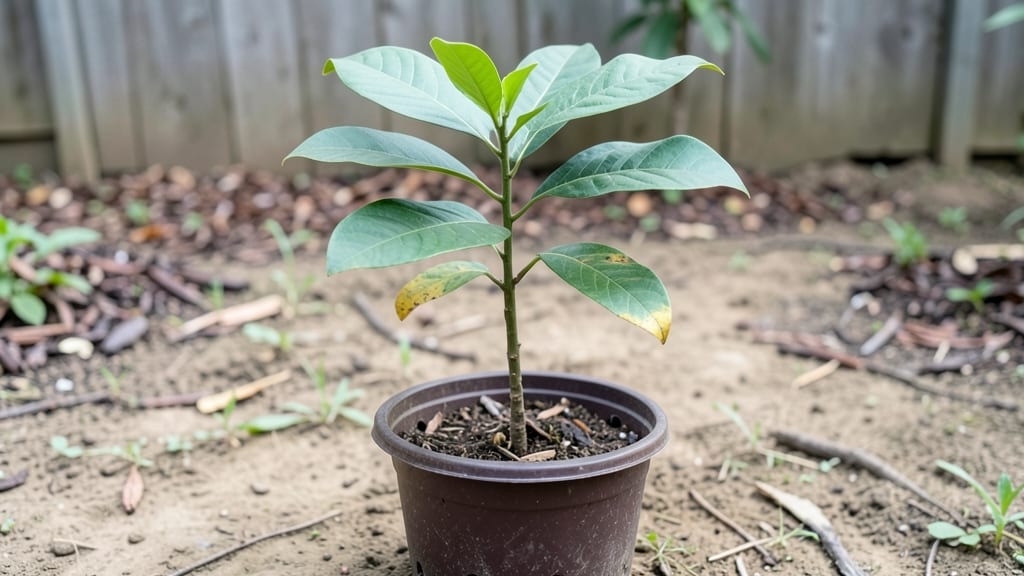
Turn that lunchbox pit into a thriving mango tree with surprising mango seed growth—I’ve done it twice, and you can too. 🌱 The key is patience and a few simple tricks that skip the guesswork.
That tiny seed holds a future tree with glossy leaves and fragrant blossoms, and with the right approach, it’ll start sprouting in just 3 months.
You’ll need a warm spot (70°F or higher), a shallow container, and a little moisture magic to coax the seed awake. Most people give up here, but the secret is keeping it damp—not soggy—and watching for the first crack in the shell.
Once that happens, you’ve got a real shot at a tropical tree, even if you live in a cooler climate.
By month three, you’ll have a sturdy seedling with real leaves, ready for its first move to a bigger pot. The roots will spread like crazy if you give it good drainage and bright light, and with consistent care, you could be pinching back new growth by summer.
It’s not fast, but every inch of progress feels like a victory.
Fair warning: this isn’t a quick harvest—mango trees from seed take years to fruit. But the journey? That’s where the real joy lies. You’ll learn patience, spot early signs of trouble, and maybe even get a tiny, tart mango someday. Here’s how to start right.
📚 In This Guide
- What you need
- Instructions
- Tips and common mistakes
- Wrapping up and next steps
What you need
- ● Fresh mango seeds: 1-2 large, plump seeds (avoid small or shriveled ones). Pro tip: 💡 Use seeds from organic mangoes for better germination!
- ○ Small pots or containers: 2-3 (4-6 inches in diameter) with drainage holes. Optional: Biodegradable pots for transplanting later.
- ● Potting soil: 2-3 bags of well-draining, seed-starting mix or a blend of 60% coco coir + 40% perlite/vermiculite.
- ● Watering can or spray bottle: With a fine mist nozzle for gentle watering.
- ● Clear plastic wrap or humidity dome: To create a greenhouse effect.
- ● Sunlight access: A warm, bright spot (south-facing window or grow light).
- ● Scissors or knife: For cleaning seeds and pruning (if needed).
- ● Seed germination tray or egg cartons (for multiple seeds).
- ● Grow light (LED or fluorescent) if natural light is insufficient.
- ● Fertilizer: Balanced liquid fertilizer (5-5-5 or 10-10-10) diluted to half-strength for seedlings.
- ● Humidity tray (a shallow tray with pebbles and water).
- ● Thermometer: To monitor soil temperature (ideal: 75–85°F).
Step-by-Step instructions for growing a mango tree from a seed
Turn that grocery store pit into a lush tropical tree with these simple steps—no green thumb required.
🌱 Step 1: Clean and Dry the Seed
Rinse the mango pit under cool water to remove any remaining fruit pulp, then scrub it gently with a soft brush to remove the outer skin. You're left with a hard, brown seed—this is your starter. Pat it dry with a paper towel and let it air-dry completely for 24 hours.
Here's the thing—mango seeds have a thick outer shell that can slow germination. After drying, use a sharp knife to carefully score the seed's hard outer shell in a few places (about ¼ inch deep). This tiny nick lets water penetrate faster, which speeds up sprouting. Don't go too deep—just enough to break the surface.
💧 Step 2: Prepare the Germination Container
Fill a small container (like a 6-inch plastic cup) with moistened potting soil—not garden soil, because it's too dense. Mix in a little perlite (about 10% of the soil volume) to help with drainage. The soil should feel damp like a wrung-out sponge, not soggy.
Make a small hole in the center of the soil with your finger, about 1 inch deep. Place the scored mango seed in the hole with the scored side facing down. Cover it lightly with soil, just enough to hold it in place. Press down gently but don't compact the soil too much—you want roots to push through easily.
☀️ Step 3: Create a Warm, Humid Environment
Mango seeds need warmth to germinate, so place the container in a spot with 75-85°F temperatures—like on top of your fridge or near a sunny window. Cover the container with a clear plastic bag or wrap it in plastic wrap to trap moisture. This creates a mini greenhouse effect that helps the seed stay hydrated.
Check the soil every 2-3 days—it should stay damp but not wet. If it feels dry, mist it lightly with water. You'll see the first signs of life in about 2-4 weeks, when a tiny sprout emerges. Once the sprout reaches 2 inches tall, remove the plastic cover to let it breathe and grow stronger.
🪴 Step 4: Transplant to a Larger Pot
When the seedling has 3-4 true leaves (not just the first tiny leaves), it's time to move it to a 10-inch pot with fresh potting soil. Gently dig around the edges of the small container to loosen the root ball, then tip it out carefully. Place the seedling in the center of the new pot and fill in around it with soil, pressing lightly to secure it.
Water the seedling thoroughly after transplanting, but avoid overwatering—mango trees hate soggy roots. Place the pot in a bright spot with indirect sunlight for the first week to help it adjust. After that, gradually introduce it to more sunlight, aiming for 6+ hours of light daily as it grows.
✂️ Step 5: Prune and Care for Long-Term Growth
As your mango tree grows, you'll notice it develops multiple stems. To encourage a single, strong trunk, pinch off any side shoots that appear in the lower half of the plant. This redirects energy to the main stem, making it sturdier. Once the tree reaches 18 inches tall, you can start fertilizing lightly with a balanced fertilizer (like 10-10-10) every 2 months during the growing season.
Real talk: Don't expect fruit for years—mango trees grown from seed can take 5-10 years to bear fruit, but the journey is worth it. Keep the soil moist but well-drained, and your tree will reward you with lush, tropical foliage that brings a piece of the tropics to your home.
Tips & tricks for growing a mango tree from seed
Here's what I learned after watching my first mango seed sprout—and how you can avoid common pitfalls along the way.
Scoring Matters: When scoring the seed's hard shell in Step 1, aim for just enough to break the surface—about ¼ inch deep. I learned this the hard way after cracking a seed too deeply and damaging the embryo inside. Use a sharp knife and make 3-4 shallow cuts around the seed's circumference. This tiny nick lets water penetrate without compromising the seed's integrity.
Soil Mix Secrets: The potting soil-perlite mix in Step 2 is crucial for drainage. I recommend using a 90% potting soil to 10% perlite ratio—this prevents soggy soil while keeping roots hydrated. If you don't have perlite, you can substitute with coarse sand or even small pebbles. The soil should hold moisture like a wrung-out sponge, not drip water.
Warmth is Non-Negotiable: Mango seeds need consistent warmth between 75-85°F to germinate properly. If your home runs cooler, place the container on top of your fridge or near a sunny window. I've seen seeds take twice as long to sprout when kept in cooler environments. A small heat mat can also help maintain consistent temperatures, especially in winter months.
Patience Pays Off: Those 2-4 weeks of waiting in Step 3 can feel endless, but don't rush it! I've seen impatient gardeners remove the plastic cover too soon, which can shock the delicate sprout. Wait until your sprout reaches 2 inches tall before removing the cover—this ensures it's strong enough to handle regular air circulation.
Pro Tips for Mango Seed Growth
- Here's what I learned after watching my first mango seed sprout—and how you can avoid common pitfalls along the way.
- Scoring Matters: When scoring the seed's hard shell in Step 1, aim for just enough to break the surface—about ¼ inch deep.
- Soil Mix Secrets: The potting soil-perlite mix in Step 2 is crucial for drainage.
Frequently asked questions
Got questions about growing a mango tree from seed? You’re not alone! Here are some of the most common queries—and their answers—to help you succeed with your tropical project.
How long does it take for a mango seed to sprout?
A mango seed typically sprouts within 2–4 weeks if kept in warm, moist conditions. Place the seed in a well-draining pot with the pointed end facing down, and maintain soil moisture (but avoid sogginess). Patience is key—some seeds take up to 6 weeks!
What’s the best temperature for growing a mango seed?
Mango seeds thrive in warmth (70–90°F or 21–32°C). If your home is cooler, use a seedling heat mat or place the pot near a sunny window. Avoid drafts or cold spots, as chilly temperatures can delay or even halt germination.
Can I grow a mango tree indoors, or does it need outdoor sunlight?
Start indoors under bright, indirect light (like a south-facing window), but young seedlings will eventually need 6+ hours of direct sunlight daily. Once the sapling is 6–12 inches tall, transplant it outdoors in a warm, sheltered spot.
Why isn’t my mango seed sprouting? Troubleshooting tips.
Too dry?
Check soil moisture—it should feel damp like a wrung-out sponge.
Too cold?
Move the pot to a warmer spot (e.g., near a heater or in a greenhouse).
Rot risk?
If mold appears, reduce watering and improve drainage.
Old seed?
Fresh seeds (from ripe mangoes) sprout faster than dried ones.
Still no luck? Try soaking the seed in warm water for 24 hours before planting.
Will my homegrown mango tree bear fruit, and how long will it take?
Most seed-grown mango trees take 5–10 years to bear fruit—and even then, the fruit may not match the parent tree’s quality. For faster, fruit-bearing results, consider grafting or buying a grafted sapling.
Wrapping up and next steps
Growing a mango tree from a seed is a rewarding journey that connects you to nature while turning kitchen scraps into something extraordinary! 🌱 With the right care—like proper soil, sunlight, and patience—you can nurture a tropical tree in just three months.
Whether you’re a gardening beginner or a green-thumb enthusiast, this project is your chance to witness nature’s magic firsthand.
Ready to take the next step? Plant that seed today and watch your tiny scrap transform into a thriving tree. Share your progress with fellow gardeners or even gift a sapling—because growing a mango tree isn’t just about the fruit; it’s about creating life! 🌿