
Propagation
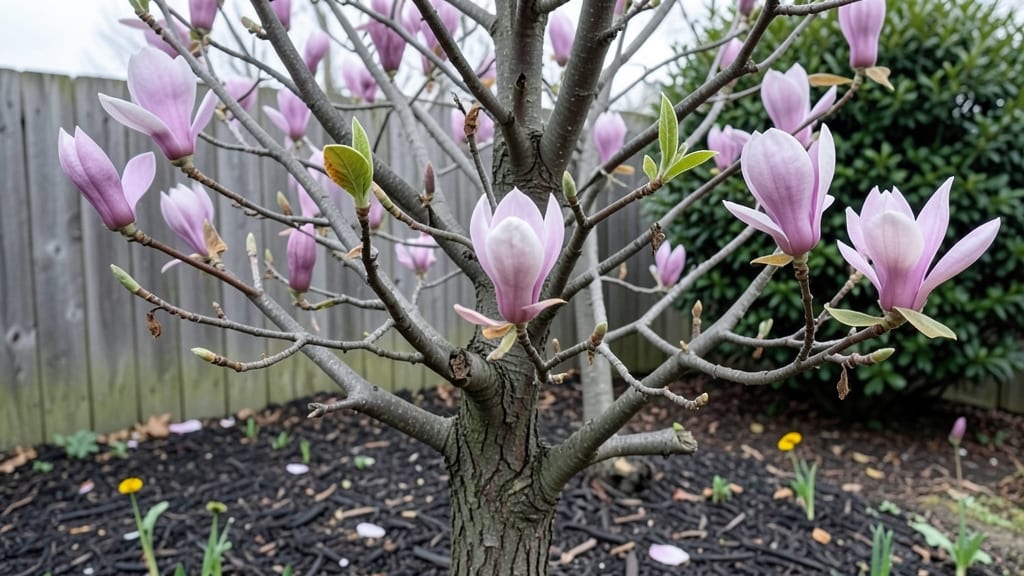
Growing Magnolia soulangeana from seeds unlocks a rare chance to cultivate this iconic tree from scratch—though it takes patience and a few tricks. 🌱 I’ve tried it twice, and while it’s not as reliable as grafting, there’s something thrilling about watching a seedling grow into a tree that will one day bear those stunning purple-pink blooms.
The key? A 3-month cold treatment that mimics winter’s natural dormancy, which is where most gardeners stumble.
You’ll need fresh seeds (or stored ones that haven’t dried out), a mix of peat moss and perlite for drainage, and a way to maintain 40–50°F temperatures—think refrigerator or unheated basement. Most people skip the chill step, which is why germination rates drop below 20%.
But when done right, those first tiny leaves emerge within 4–8 weeks after warming the seeds back up, signaling success.
The payoff comes years later, but the early stages are rewarding too: watching the seedling’s glossy leaves unfurl and its roots tangle into the soil. By year three, you’ll have a sturdy sapling ready for transplanting—though it’ll take 5–7 years before those famous blooms appear.
For faster results, I’ll admit I’ve also bought young plants, but the seed-grown ones feel like a special project.
This method works best in USDA Zones 5–9, where the tree thrives outdoors. If you’re in a warmer zone, plan for extra shade and moisture during the first few years. Either way, the journey from seed to bloom is what makes it worth the wait.
📚 In This Guide
- What you need
- Instructions
- Tips and common mistakes
- Wrapping up and next steps
What you need
- ● Fresh Magnolia soulangeana seeds: 5–10 seeds (ensure they’re fully ripe and slightly wrinkled for best viability).
- ● Seed-starting mix: 2–3 cups of a well-draining, sterile potting mix (e.g., 50% peat moss, 30% perlite, 20% vermiculite).
- ● Small seed trays or pots: 4–6 individual 2–3 inch pots or a seed tray with drainage holes.
- ● Plastic wrap or humidity dome: To maintain moisture and warmth during germination.
- ● Spray bottle: For gentle watering (avoid soaking the mix!).
- ● Pruning shears or knife: For carefully nicking seed coats (if stratification is needed).
- ● Refrigerator or cold frame: A zip-top bag + damp paper towels for stratification (4–6 weeks at 35–40°F).
- ● Grow lights or sunny windowsill: 12–16 hours of light daily post-germination.
- ○ Thermometer/hygrometer (optional): To monitor soil temp (ideal: 65–75°F) and humidity.
- ● Patience is key! Germination can take months—keep seeds consistently moist but not soggy.
- ● Label your pots: Use toothpicks + masking tape to track seed varieties and planting dates.
- ● Transplant carefully: Wait until seedlings have 2–3 true leaves before repotting (use 4–6 inch pots).
Step-by-Step instructions for growing Magnolia soulangeana from seeds
Here's how to coax those stunning blooms from tiny seeds—it takes patience, but the results are worth it.
🌱 Step 1: Collect and Prepare the Seeds
Harvest seeds from fully mature, pink or purple magnolia blooms in late summer or early fall. The cones will turn brown and open naturally—wait until they split before collecting the seeds inside. Remove any fleshy red arils covering the seeds and rinse them thoroughly under cool water to remove all residue.
Place the cleaned seeds in a paper towel-lined container and store them in the refrigerator for 3-4 months to complete their natural cold stratification. This mimics winter conditions and breaks seed dormancy. Don't skip this step—without stratification, germination rates plummet to near zero. I label the container with the date to track the timing precisely.
💧 Step 2: Sow Stratified Seeds in Moist Medium
After stratification, fill a small pot with sterile seed-starting mix (not garden soil) and moisten it until damp but not soggy. Scatter the seeds on the surface, spacing them 1 inch apart—they don’t need deep planting. Gently press them into the mix just enough to ensure good contact, but don’t bury them.
Cover the pot with plastic wrap or a humidity dome to retain moisture and warmth. Place it in a warm, dark location like a seedling heat mat set to 70-75°F. Keep the mix consistently moist by misting lightly every 2-3 days, but never let it sit in standing water. Germination can take 4-8 weeks, so patience is key here.
☀️ Step 3: Transplant Seedlings to Individual Pots
Once seedlings develop 2-3 true leaves (not just the initial seed leaves), carefully transplant them into 4-inch pots filled with a mix of 50% potting soil and 50% perlite. This ensures good drainage—their roots hate soggy conditions. Handle the tiny seedlings by their leaves, never the stems, to avoid damage.
Place the pots in bright, indirect light for the first week to help them adjust. After that, gradually introduce them to morning sun for 2-3 hours daily, increasing exposure over 2 weeks. You’ll notice the leaves darken and thicken as they acclimate—this is a good sign they’re strengthening.
🌿 Step 4: Gradually Harden Off and Plant Outdoors
When seedlings are 6-8 inches tall and show new growth, begin hardening them off. Move the pots outside to a sheltered spot for 1 hour the first day, then gradually increase their time outdoors by 1 hour daily over 2 weeks. Choose a location with partial shade to protect them from intense afternoon sun.
Plant them outdoors in well-draining soil after the last frost date, spacing them 6-8 feet apart to allow for their mature size. Mulch around the base with 2-3 inches of organic mulch to retain moisture and regulate soil temperature. Water deeply once a week, ensuring the top 2 inches of soil stay moist but not waterlogged.
⏰ Step 5: Winter Care for Future Blooms
Magnolia seedlings need 3-4 years to mature enough to bloom, but proper winter care sets the stage. In their first winter, wrap the base of young plants with burlap to protect them from harsh winds and freezing temperatures. Avoid pruning during this time—let the plant establish its structure naturally.
Come spring, fertilize lightly with a balanced 10-10-10 fertilizer to encourage strong root and shoot growth. You’ll know you’re on the right track when the plant puts out new leaves by early May—this means the roots have survived the winter and are ready to support blooms in the future.
Tips & tricks for growing Magnolia soulangeana seeds
Patience and precision make all the difference when growing these delicate blooms from seeds.
Stratification Secret: That 3-4 month cold period in the refrigerator isn't just about time—it's about simulating nature's winter conditions. Place the sealed container on a shelf where the temperature stays consistently around 34-40°F. I like to use a produce drawer for this because it maintains steady cold without freezing. The seeds need this cold treatment to break dormancy and trigger germination.
Heat Mat Hack: For Step 2, a seedling heat mat set to 70-75°F creates the perfect environment for germination. If you don't have one, try placing your pot on top of your refrigerator (not inside) where it stays warm from the compressor. Just monitor the soil moisture more closely—heat can dry out the mix faster. The key is maintaining that warm, dark environment until you see those first tiny sprouts.
Transplanting Technique: When your seedlings develop their 2-3 true leaves in Step 3, use a butter knife or small spoon to gently lift them from the seed-starting mix. Avoid pulling from the stems—this can damage the delicate root systems. The 50% perlite mix is crucial here; it prevents soggy conditions that can rot magnolia roots. After transplanting, give your seedlings a gentle watering to help them settle into their new pots.
Sunlight Transition: During Step 3's gradual sun exposure, I recommend starting with just 1 hour of morning sun daily for the first week. This helps prevent sunburn on tender new leaves. You'll know you're doing it right when the leaves develop that rich, deep green color. After the 2-week transition, your seedlings should be ready for their permanent outdoor home—just don't rush them! Sudden full sun exposure can shock even healthy seedlings.
Pro Tips for Magnolia Soulangeana Seeds
- Patience and precision make all the difference when growing these delicate blooms from seeds.
- Stratification Secret: That 3-4 month cold period in the refrigerator isn't just about time—it's about simulating nature's winter conditions.
- Heat Mat Hack: For Step 2, a seedling heat mat set to 70-75°F creates the perfect environment for germination.
Frequently asked questions
Got questions about growing Magnolia soulangeana from seeds? You’re not alone!
Here are the most common queries—and straightforward answers—to help you succeed with these stunning, cold-hardy blooms.
How long does it take for Magnolia soulangeana seeds to germinate?
Patience is key! With proper cold stratification (60–90 days in the fridge), germination typically takes 3–6 months. Some seeds may sprout sooner, while others need extra time—especially if they’re fresh. Keep soil consistently moist (not soggy) and maintain warmth (70–75°F) once stratification ends.
Do I need to stratify Magnolia soulangeana seeds, and how?
Yes!
Cold stratification mimics winter and breaks seed dormancy. Mix seeds with damp peat moss or sand in a sealed bag, then refrigerate for 60–90 days. Check moisture weekly—if dry, spritz with water. After stratification, plant in well-draining soil and keep in a warm, bright spot (but avoid direct sun until sprouts appear).
Can I grow Magnolia soulangeana from seeds instead of buying a tree?
While slower (3–5 years for blooms vs. 2–3 from a nursery tree), growing from seed is rewarding and cost-effective. Seed-grown magnolias may also develop unique variations in flower color or shape. Just be prepared for more patience—and a stronger connection to your tree’s journey!
What if my seeds rot or mold during stratification?
Don’t panic—it’s fixable! If you spot mold or slimy texture, discard the affected seeds and restart with fresh ones. To prevent rot: use sterilized peat moss, avoid overwatering, and poke small holes in the bag for airflow. If seeds look dry, remoisten them slightly (they shouldn’t be drenched).
Will my seedling bloom as fast as a nursery-bought Magnolia soulangeana?
Probably not! Seedlings often take 3–5 years to bloom, while grafted nursery trees may flower in 2–3 years. To speed things up slightly, ensure your seedling gets full sun (6+ hours/day), rich soil, and consistent watering. But remember: the wait is part of the magic—your tree’s first blooms will be extra special!
Wrapping up and next steps
Growing Magnolia soulangeana from seeds is a rewarding journey that blends patience with stunning results! With the right chill treatment and care, you’ll enjoy vibrant blooms in just three months—perfect for gardeners eager to expand their floral collection.
Whether you’re a beginner or a seasoned plant enthusiast, this method opens doors to cultivating these breathtaking trees with confidence.
Ready to take the next step? Grab your seeds, prep your growing space, and start your chill-enhanced adventure today! 🌱✨