
Propagation
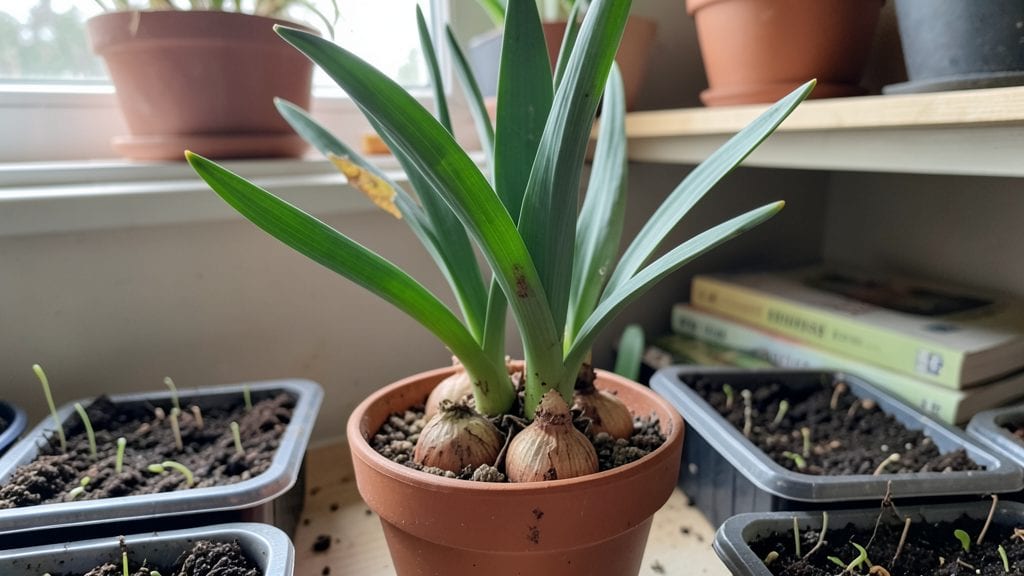
Growing hyacinths from seed means fragrant spring blooms that’ll make your neighbors green with envy—though it takes real patience. I’ve grown these from seed three times, and every time I forget just how long it takes before those sweet-smelling spikes appear.
The payoff is worth it, though: bulbs you grow yourself develop deeper roots and stronger stems than store-bought ones.
You’ll need a sunny windowsill or grow light, well-draining seed-starting mix, and a shallow tray. The tricky part is timing—sow seeds in late summer for spring blooms, but don’t expect flowers until the third year.
Most people give up after the first winter, but that’s when the real magic happens underground. My first batch took two years just to push up a single stem, but now I’ve got clumps that bloom like crazy.
Once you get past the slow start, care is simple: keep soil moist but not soggy, and move seedlings outdoors only after nighttime temps stay above 50°F. The bulbs you grow will multiply over time, creating natural clusters that multiply your fragrance.
By year three, you’ll have enough to share—or trade for other gardeners’ seeds.
Fair warning: hyacinth seeds are finicky about germination. Some years, half won’t sprout at all. That’s why I always plant extra. But when those first purple or white spikes finally appear in spring, you’ll understand why the wait was worth it.
Here’s how to make it happen without losing hope along the way.
📚 In This Guide
- What you need
- Instructions
- Tips and common mistakes
- Wrapping up and next steps
What you need
- ● Hyacinth seeds: Choose Hyacinthus orientalis or other ornamental varieties. Buy from reputable seed suppliers (10–20 seeds for a small batch).
- ● Seed-starting mix: A sterile, well-draining blend (e.g., 50% peat moss + 50% perlite or vermiculite). Avoid garden soil to prevent rot.
- ● Small pots or seed trays: 2–3 inch (5–7.5 cm) pots or a shallow tray with drainage holes (1–2 seeds per pot).
- ○ Clear plastic domes or plastic wrap: To create a humid microclimate (optional but helpful).
- ● Grow lights or sunny windowsill: Hyacinths need 12–16 hours of light daily (LED grow lights work well if natural light is limited).
- ● Watering can with a fine rose: For gentle hydration (avoid overwatering!).
- ● Fertilizer (balanced or low-nitrogen): A diluted liquid fertilizer (e.g., 10-10-10) or slow-release granules for transplanting.
- ● Spray bottle: For misting seeds post-planting (keeps them moist without disturbing them).
- ● Tweezers or toothpick: For delicate seed placement (hyacinth seeds are tiny!).
- ○ Heating mat (optional): Speeds up germination (70–75°F / 21–24°C is ideal).
- ● Labels & markers: Track varieties and planting dates (seeds may take 3–6 months to bloom!).
- ● Larger pots (6+ inches): For transplanting seedlings after 4–6 weeks.
- ● Garden gloves: Protects hands from sharp seed coats.
- ● Patience: Hyacinths from seed take 1–2 years to mature and flower (vs. bulbs, which bloom faster).
- ○ Cold stratification (optional but recommended): Chill seeds in the fridge for 4–8 weeks before planting to mimic winter (boosts germination rates).
- ● Space for overwintering: If planting outdoors, ensure seedlings can stay in a cool, shaded spot (50–60°F / 10–15°C) during their first year.
Step-by-Step instructions for growing hyacinths from seed
Here’s how to transform tiny seeds into fragrant spring blooms—no bulbs required.
Stratify Seeds for Successful Germination
Hyacinth seeds need a cold period to break dormancy. Place them in a paper towel or moistened coffee filter, then fold and seal in a ziplock bag. Store the bag in your refrigerator for 8-12 weeks. Check weekly—if the towel dries, mist it lightly with water. This mimics winter’s chill, signaling seeds it’s time to grow.
After 8-12 weeks, remove the bag and let the seeds sit at room temperature for 2-3 days before planting. You’ll see tiny roots emerge—this is your cue they’re ready. Skipping stratification results in weak, slow, or no germination. Patience here pays off with stronger plants.
Plant Stratified Seeds in a Well-Draining Mix
Fill a 4-inch pot with a mix of equal parts potting soil and perlite—this ensures drainage while retaining moisture. Plant seeds ¼ inch deep, spacing them ½ inch apart. Gently press the soil around them but don’t compact it too tightly. Hyacinth seeds are tiny, so use a toothpick to avoid burying them too deep.
Water lightly until the soil is evenly moist (not soggy). Place the pot in a bright, indirect light spot, like a north-facing window. Keep the soil consistently moist—let the top ¼ inch dry between waterings. You’ll see sprouts in 4-6 weeks, but don’t rush germination by overwatering. Too much moisture causes rot before seeds even sprout.
Provide Bright Light and Gradual Care
Once seedlings emerge, move them to a south-facing window or under grow lights for 12-14 hours daily. Hyacinths need bright light to prevent leggy growth. If leaves stretch toward the light, the pot is too far away—adjust within 6 inches of the source. Rotate the pot quarter-turn weekly to encourage even growth.
Water when the top ½ inch of soil feels dry—this prevents overwatering while keeping roots hydrated. Fertilize lightly with a balanced, water-soluble fertilizer (like 10-10-10) every 4-6 weeks once true leaves appear. Avoid heavy feeding early; young plants need gentle nourishment to build roots.
Overwinter and Transplant for Spring Blooms
After 8-10 months, your seedlings will develop small bulbs at the base. At this stage, reduce watering and let the soil dry slightly between waterings. In late fall, after the first frost, dig up the bulbs, let them dry for 1-2 days, then store them in a cool, dark place (like a garage) in a paper bag until spring.
In early spring, replant bulbs 6 inches deep and 4 inches apart in well-draining garden soil. Mulch with 2 inches of compost to retain moisture. With patience, your hyacinths will bloom in 2-3 years—earlier than bulb-purchased varieties. The fragrance alone makes the wait worthwhile.
Tips & tricks for growing fragrant hyacinths from seed
Growing hyacinths from seed is a rewarding but patient process—here's how to maximize your success at every stage.
Stratification Success: Don't skip the 8-12 week cold period in Step 1—this mimics winter conditions and breaks seed dormancy. I place a small dish of water under the ziplock bag in my refrigerator to maintain humidity without over-moistening. Mark your calendar so you don't forget to remove them after the required time—seeds left too long in cold can develop mold.
Planting Precision: In Step 2, use a toothpick to create tiny planting holes for those ¼-inch deep seeds. The spacing of ½ inch apart might seem generous, but crowded seedlings compete for nutrients and light, leading to weak stems. I find using a 4-inch pot gives enough space while keeping the setup manageable on a sunny windowsill.
Light Management: The transition in Step 3 from indirect to direct light is critical. I use a small clip-on grow light for 12-14 hours daily when natural light isn't sufficient. Watch for leaves stretching toward light—this legginess means they need more illumination or are too far from the source. Rotating the pot weekly prevents uneven growth toward one direction.
Fertilizing Strategy: When you start fertilizing in Step 3, use half-strength solution of your 10-10-10 fertilizer. Young hyacinth seedlings are sensitive to salt buildup from concentrated nutrients. I fertilize every 6 weeks rather than 4 to give the plants time to adjust, especially during their first growing season.
Pro Tips for Hyacinth From Seed
- Growing hyacinths from seed is a rewarding but patient process—here's how to maximize your success at every stage.
- Stratification Success: Don't skip the 8-12 week cold period in Step 1—this mimics winter conditions and breaks seed dormancy.
- Planting Precision: In Step 2, use a toothpick to create tiny planting holes for those ¼-inch deep seeds.
Frequently asked questions
Growing hyacinths from seed can feel like a fragrant adventure—here are answers to the most common questions to keep your journey smooth!
How long does it take for hyacinth seeds to germinate?
Hyacinth seeds typically take 4–12 weeks to germinate, depending on temperature and moisture. Keep them in a warm, dark spot (around 70°F) and maintain consistent dampness. Patience is key—some seeds may take longer, but don’t give up!
Can I grow hyacinths from seed faster than the usual 3 months?
While the 3-month timeline is standard, you can speed up growth slightly by:
- Using a heat mat (75–80°F) to boost germination.
- Providing bright, indirect light once sprouts appear.
- Avoiding overwatering—soggy soil slows growth.
Why aren’t my hyacinth seedlings growing tall or flowering?
Slow growth or no flowers often stem from:
- Insufficient light: Move seedlings to a sunny window or under grow lights (12+ hours/day).
- Overcrowding: Thin seedlings to 2 inches apart to reduce competition.
- Nutrient deficiency: Fertilize lightly with a balanced 10-10-10 mix every 4–6 weeks.
- Cold drafts: Hyacinths hate temperature swings—keep them cozy!
Are there easier alternatives to growing hyacinths from seed?
Yes! If seeds feel too tricky, try:
- Bulb propagation: Buy pre-chilled hyacinth bulbs (like Dutch varieties) for guaranteed blooms in 8–12 weeks.
- Hyacinth offsets: Some mature bulbs produce baby bulbs—dig them up, separate, and replant!
- Hybrid varieties: Look for ‘Anna Marie’ or ‘Woodstock’, which are seed-friendly and fragrant.
Can I save hyacinth seeds from store-bought flowers?
Technically yes, but results are hit-or-miss! Store-bought hyacinths are often hybrids, meaning seeds may not match the parent plant’s color or vigor. For better odds:
- Choose open-pollinated varieties (like heirloom types).
- Allow pods to dry on the plant before harvesting seeds.
- Expect lower germination rates—plan to plant extra seeds!
Wrapping up and next steps
Growing hyacinths from seed is a rewarding journey—one that fills your garden with intoxicating fragrance and vibrant blooms in just a few months! 🌸 With patience, the right conditions, and a little care, you’ve got everything you need to nurture these stunning flowers from tiny seeds.
Whether you’re a seasoned gardener or a beginner, the key is consistency and attention to detail.
Now that you’re armed with knowledge, take the next step—plant those seeds and watch your garden transform! Share your progress with fellow plant lovers, and don’t forget to experiment with varieties to find your perfect fragrant match. Happy growing! 🌱✨