
How To
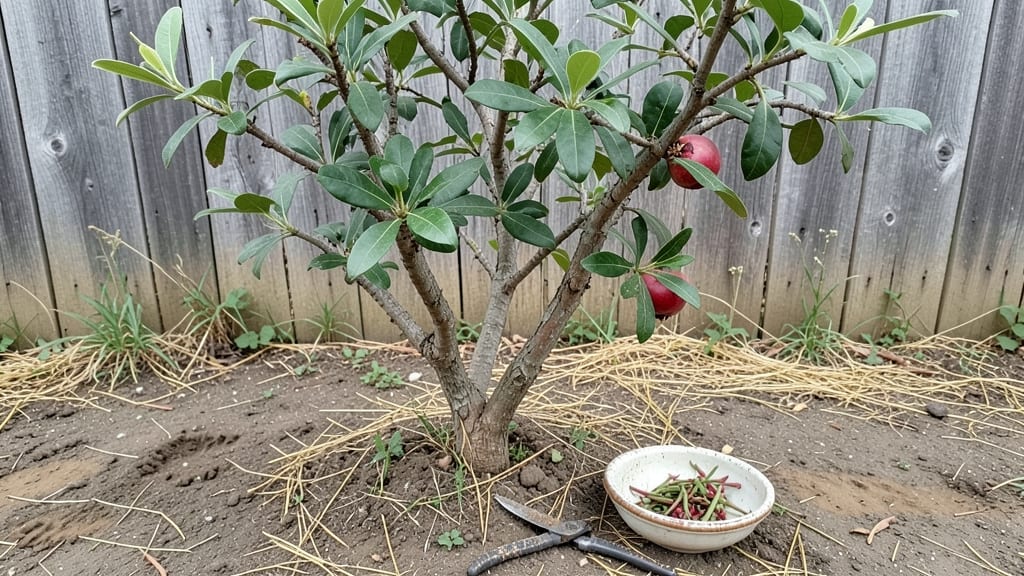
Harvesting pomegranate seeds efficiently turns a messy chore into a rewarding process 🍇—here’s how to do it without staining your kitchen or wasting a single drop of juice.
Tired of messy pomegranate juice extraction that leaves your kitchen stained and your hands stained too? Mastering the art of harvesting pomegranate seeds efficiently can save you time, reduce waste, and yield the freshest juice—without the dreaded crimson chaos.
Pomegranates ripen between October and December in USDA Zones 8-11, and knowing when to pick is half the battle. A deep red rind that yields slightly to pressure means it’s ready, but the real trick is extracting those seeds cleanly.
Below, I’ll walk you through the best tools, step-by-step techniques, and pro tips to maximize your yield—so you can enjoy juice, salads, or even homemade granola without the mess.


Step-by-step guide to extracting pomegranate seeds without the mess
Harvesting pomegranate seeds doesn’t have to be a messy battle with juice stains and wasted fruit. With the right techniques, you can extract clean, fresh seeds in minutes—perfect for juicing, baking, or replanting.
The key lies in proper cutting and efficient seed separation, whether you're using basic tools or a seed extractor. Let’s dive into the cleanest methods to save time and reduce waste.
Before you begin, gather your pomegranates and essential tools: a sharp knife, a cutting board, a bowl of water, and a fine-mesh strainer or colander. Optional tools like a seed extractor or juicer can speed up the process, but even beginners can master manual extraction.
The goal? Minimize stains and maximize yield—no more scrubbing red juice off counters!
Pro Tip: Work over a bowl or sink to catch the juice runoff, and wear old clothes or an apron. Pomegranate juice is bright red and stains easily, so preparation is key. Once you’ve prepped, follow these steps for a clean, efficient harvest every time.
How to Extract Pomegranate Seeds
- Step 1: Choose Ripe Pomegranates
Select fully ripe pomegranates with a deep red rind and slight give when pressed. Overripe fruit may be mushy, while underripe fruit will yield bitter seeds.
- Step 2: Cut the Fruit in Half
Place the pomegranate on a cutting board and slice it horizontally in half using a sharp knife. Avoid cutting too close to the edges to prevent seed loss.
- Step 3: Score the Rind
Use the knife to make 4-6 shallow cuts around the inner membrane of each half, connecting the cuts to create a flap. This makes seed removal easier.
- Step 4: Gently Pull Out the Seeds
Hold the fruit halves over a bowl and peel back the flaps to release the seeds into the container. Avoid squeezing the arils, as this causes juice mess and seed damage.
- Step 5: Rinse the Seeds
Transfer the seeds to a fine-mesh strainer and rinse under cool water to remove any lingering bitter membrane or juice. Shake gently to separate seeds.
- Step 6: Dry the Seeds
Spread the seeds on a paper towel or clean cloth in a single layer. Let them air-dry for 1-2 hours or use a fan to speed up the process.
- Step 7: Store for Use
Once dry, store seeds in an airtight container in the fridge for up to 5 days or freeze for longer storage. For juicing, use fresh seeds immediately.
For those with large quantities of pomegranates, consider a seed extractor or juicer designed for pomegranates. These tools automate the process, reducing mess and saving time. However, manual methods work perfectly for small batches and give you full control over seed quality.
If you’re planning to juice the seeds, skip the drying step and use them immediately. Place seeds in a juicer or blender with a little water, then strain through a cheesecloth for smooth juice.
For homemade granola or salad toppings, dried seeds add a burst of flavor and crunch.
One common mistake is over-squeezing the seeds, which releases excess juice and makes cleanup harder. Instead, focus on gentle extraction and efficient rinsing. With practice, you’ll harvest seeds in under 5 minutes per fruit—no stains, no stress!
Now that you’ve mastered clean seed extraction, explore creative ways to use your harvest. From homemade pomegranate juice to seed replanting, the possibilities are endless. Happy harvesting!
Best tools and tricks for juice extraction: from handheld to High-tech
Extracting pomegranate seeds efficiently doesn't require expensive gadgets—just the right approach. For small-scale harvests, a simple knife and bowl work wonders, while large-scale operations benefit from specialized tools. The key is balancing speed, cleanliness, and seed yield to avoid wasting precious juice or seeds.
Whether you're processing a handful of fruits or a bushel of pomegranates, choosing the right method saves time and reduces mess. Handheld tools like seed extractors or even a sturdy colander can make the process smoother, while high-tech juicers maximize juice output.
Let’s break down the best options for every gardener’s needs.
For small-scale gardeners, a handheld seed extractor ($10-$20) is a game-changer. These tools gently separate seeds from membranes with minimal mess, ideal for processing 5-10 pomegranates at once. Place the fruit over the extractor, press firmly, and collect the seeds in a bowl—no knives or stains required!
If you’re harvesting large quantities, invest in a centrifugal juicer designed for fruits. These machines pulverize pomegranates, extracting up to 95% juice yield while separating seeds automatically. Just strain the pulp afterward to remove any remaining bits.
For eco-conscious gardeners, repurpose seeds post-extraction by drying them for pomegranate molasses or planting them to grow new trees.
Pro tip: Always rinse seeds immediately after extraction to remove excess juice and prevent mold. Store them in an airtight container in the fridge for up to 2 weeks or freeze for longer shelf life.
This keeps them fresh for smoothies, salads, or even gardening projects like seed bombs.
Don’t let seed loss or juice waste discourage you—with the right tools and techniques, every pomegranate becomes a juicy success. Whether you’re a backyard gardener or a large-scale harvester, there’s a method tailored to your needs.