
Trees
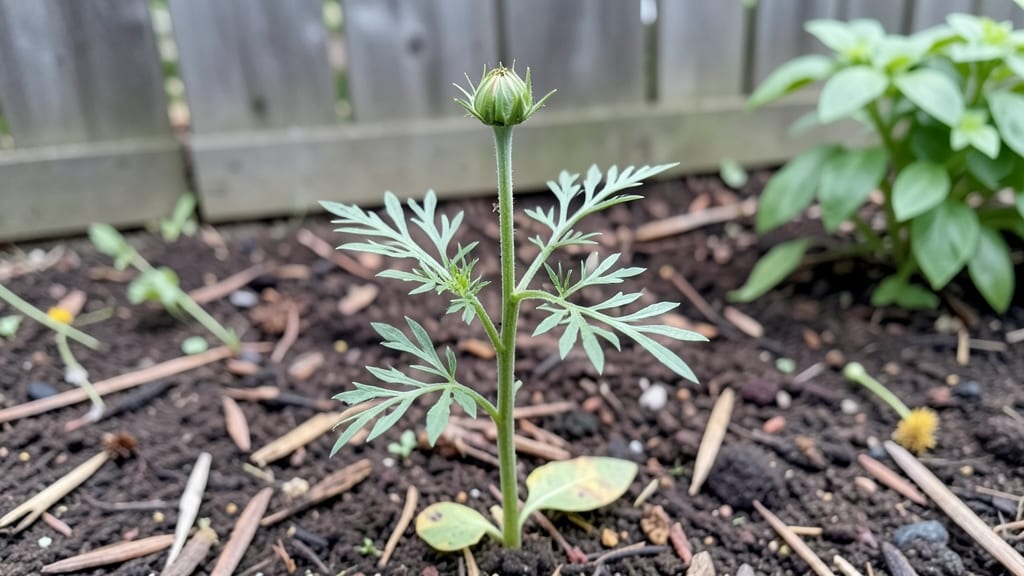
Mastering cosmos seedling identification early means the difference between lush summer blooms and pulling weeds all season. 🌱 I’ve spent years watching those first tiny leaves push through the soil, and there’s a telltale shape—deeply lobed, almost fern-like—that sets them apart. from everything else in the seed tray.
Most gardeners confuse them with lambsquarters or purslane, but cosmos seedlings have two key traits: their leaves start round with jagged edges and grow on hairy stems. Weeds like chickweed have smooth stems and more delicate leaves, while cosmos seedlings look sturdy from day one.
A magnifying glass helps spot the fuzzy texture that’s hard to see with the naked eye.
Once you spot them, give them space—they’ll grow 12–18 inches tall by summer, so thin seedlings to 6–12 inches apart for full blooms. The first flowers appear in 60–70 days, and if you miss the thinning step, you’ll end up with leggy plants fighting for sunlight.
Trust me, the blooms are worth the effort.
If your seedlings look weak, check for damping off—a gray mold that attacks young stems. Boost airflow with a small fan or move trays to a sunny windowsill. Cosmos are tough once established, but those first few weeks set the stage for nonstop blooms all season.
Root Causes of Misidentification
Identifying cosmos seedlings correctly can be tricky, especially when early signs are subtle or confusing. Missteps often stem from a mix of biological, environmental, and human factors.
Below, we break down the key reasons why cosmos seedlings might be mistaken for other plants—or why gardeners struggle to recognize them at all.
Cosmos seedlings start with tiny, delicate structures that can resemble other annuals or weeds.
During the first 2–4 weeks, their: - Cotyledons (seed leaves) may look similar to those of sunflowers, marigolds, or even dandelions. - True leaves (the first set after cotyledons) are finger-like and deeply lobed, but if they haven’t unfurled yet, they can be easily overlooked or confused with baby basil or parsley.
Why it happens:
- Slow emergence: Cosmos seeds germinate 7–14 days after planting, but if soil is too cold or dry, they may take longer, delaying visible growth.
- Overcrowding: If sown too densely, seedlings compete for light and nutrients, stunting their development and making identification harder.
One of the most common mistakes is misidentifying cosmos leaves because they resemble other plants in the Asteraceae family (like zinnias or cosmos hybrids). Key overlaps include:
- Narrow, feathery leaves (similar to baby dill or fennel).
- Serrated or toothed edges (mistaken for young snapdragons or nasturtiums).
Why it happens:
- Hybrid variations: Some cosmos cultivars (like Cosmos bipinnatus vs. Cosmos sulphureus) have slightly different leaf shapes, leading to mix-ups.
- Environmental stress: Heat, drought, or poor soil can cause leaves to curl or distort, making them harder to match with standard identification guides.
Cosmos thrive in full sun and well-draining soil, but if these conditions aren’t met, seedlings may develop abnormally, throwing off identification.
Why it happens:
- Shade stress: If seedlings are planted in partial shade, they grow longer, thinner stems (etiolation) and pale leaves, resembling weedy chickweed or lamb’s quarters.
- Overwatering or poor drainage: Yellowing or mushy leaves can make them look like diseased seedlings rather than healthy cosmos.
- Nutrient deficiencies: Lack of phosphorus or nitrogen causes stunted growth and dark green, waxy leaves, mimicking young hollyhocks or foxgloves.
Even experienced gardeners can overlook key details when identifying cosmos seedlings.
Common pitfalls include: - Focusing only on flowers (but seedlings don’t bloom for 6–8 weeks). - Ignoring the stem structure (cosmos have hairy, slightly fuzzy stems, unlike smooth-stemmed weeds). - Comparing to mature plants instead of seedling-specific traits (like the distinctive "fern-like" true leaves).
Why it happens:
- Rushing the process: Gardeners may pull or thin seedlings too early, missing critical identification cues.
- Lack of reference images: Without a side-by-side comparison of cosmos seedlings vs. lookalikes (like black-eyed Susans or goldenrod), mistakes are inevitable.
Pests and pathogens can alter a seedling’s appearance, making it unrecognizable.
Why it happens:
- Aphids or spider mites cause stunted growth and curled leaves, mimicking nutrient deficiencies.
- Fungal infections (like damping-off) create black, rotting stems, making seedlings look dead before they even sprout properly.
- Slugs or cutworms may nibble on leaves, leaving irregular edges that don’t match standard cosmos traits.
Cosmos seedlings are tiny at first—often no taller than 1–2 inches—which can make them easy to overlook or dismiss as weeds.
Why it happens:
- Weed competition: Fast-growing weeds (like crabgrass or purslane) can outpace cosmos seedlings, making them harder to spot.
- Planting depth issues: If seeds are buried too deep (more than ¼ inch), they may struggle to emerge, leading to false assumptions about failure.
To prevent confusion, use these actionable checks: ✅ Wait for true leaves (not just cotyledons) to appear before identifying. ✅ Compare stems—cosmos have fine, hairy stems, while many weeds have smooth or waxy stems. ✅ Check leaf arrangement—cosmos leaves grow alternately (not in whorls like some weeds). ✅ Use a magnifying glass for close-ups of leaf veins and edges.
By understanding these root causes, you’ll be better equipped to spot cosmos seedlings early—and give them the best chance to thrive! 🌻
Quick fixes for cosmos seedling struggles
Identifying your cosmos seedlings correctly is just the first step—keeping them thriving requires addressing common issues head-on. Below, we’ve mapped out practical solutions for the most frequent problems, from stunted growth to leaf discoloration, along with prevention tips to save you time and frustration.
Think of this as your seedling first-aid kit!
Cause: Too many seedlings competing for sunlight, water, and nutrients in a small space. Fix:- 🔪 Thin them out: Use clean scissors or your fingers to snip or gently pull seedlings, leaving only the strongest 2–3 per pot or 6–12 inches apart in the garden. Aim for space, not speed—crowded plants stress easily.
- 🌡️ Optimize light: Move containers to a south-facing window or under a grow light (12–16 hours/day) if natural light is weak. Rotate pots weekly for even growth.
- 💡 Pro tip: Label seedlings with popsicle sticks to track which ones you’ve thinned, avoiding accidental removal later!
Prevent:
- Start with smaller seed trays (2–3 inches deep) or individual cells to reduce competition from day one.
- Use soilless mixes (like peat/perlite) to deter fungal issues that worsen in crowded, damp conditions.
Cause: Lack of light or over-fertilization triggers elongated, weak stems that can’t support themselves. Fix:
- 👨🍳 Support them early: Insert toothpicks or chopsticks into the soil beside seedlings and gently tie stems to them with soft twine or a bent paperclip. No need to wait for collapse!
- 🌞 Boost light gradually: Harden off seedlings by placing them in bright indirect light for 2–3 hours daily, increasing time over 5–7 days. Avoid direct sunburn.
- 🥗 Fertilize lightly: Use a balanced, water-soluble fertilizer (5-5-5) at half-strength once true leaves appear. Overfeeding = more legs, fewer blooms!
Prevent:
- Choose a sunny windowsill or grow light setup before sowing seeds.
- Opt for compact cosmos varieties (like ‘Sensation Mixed’) if space is limited—they stay bushier naturally.
Cause: Excess moisture, poor airflow, or contaminated soil invite pests like powdery mildew or damping-off. Fix:
- 💦 Adjust watering: Water at the base (not overhead) and only when the top inch of soil is dry. Use a spray bottle for seedlings to avoid splashing.
- 🌡️ Increase airflow: Space pots 1–2 inches apart and use a small fan on low setting (2–3 hours/day) to mimic outdoor breezes. Fungi hate movement!
- 🔥 Treat infections:
Problem Solution Powdery mildew (white dust) Spray with 1 tsp baking soda + 1 quart water + few drops of dish soap. Repeat weekly. Damping-off (black stem base) Remove affected seedlings immediately and repot survivors in sterilized soil (microwave for 2 mins) or a fresh mix.
Prevent:
- Sterilize tools with rubbing alcohol between uses.
- Add perlite or vermiculite to soil (20%) to improve drainage.
Cause: Temperature, moisture, or seed freshness issues delay sprouting (cosmos seeds can take 7–21 days). Fix:
- 🌡️ Check warmth: Cosmos seeds need 70–75°F soil. Place trays on a seedling heat mat or in a sunny window. A clear plastic wrap (removed daily) traps humidity.
- 💡 Test moisture: Soil should feel like a wrung-out sponge. Bottom-watering (place tray in ½ inch of water for 10 mins) prevents dry crusts.
- ⏰ Be patient: If no sprouts in 3 weeks, replant fresh seeds—old seeds may have lost viability.
Prevent:
- Store seeds in a cool, dry place (like the fridge) for next year’s planting.
- Soak seeds in lukewarm water for 24 hours before planting to speed up germination.
Remember: Cosmos seedlings are hardy once established—most issues stem from early-care oversights. With these fixes, you’ll go from “Why isn’t this working?” to “Wow, look at these blooms!” in no time. Happy growing! 🌼
Frequently asked questions
What do cosmos seedlings look like in their first week?
New cosmos seedlings start with tiny, round cotyledons (seed leaves) that look similar to sunflower sprouts. Within 7–10 days, their true leaves emerge—deeply lobed, fern-like shapes with jagged edges. The stems are hairy and delicate, unlike smooth-stemmed weeds. Use a magnifying glass to spot the fuzzy texture!
How can I tell cosmos seedlings apart from weeds?
Check three key traits: leaf shape (cosmos have jagged, finger-like lobes), stem texture (hairy vs. smooth weed stems), and growth pattern (cosmos leaves grow alternately, not in whorls). Lambsquarters and purslane have smoother leaves and faster growth—cosmos stay compact until true leaves appear.
Why are my cosmos seedlings growing so slowly?
Slow growth usually means cool soil (<60°F), overcrowding, or low light. Cosmos need 70–75°F soil to germinate quickly. Move trays to a sunny window or use a heat mat. Thin seedlings to 2–3 inches apart and ensure they get 12+ hours of light daily to prevent legginess.
Can I transplant cosmos seedlings too soon?
Yes! Wait until seedlings have 2–3 sets of true leaves (about 4–6 weeks old) and are at least 2–3 inches tall. Harden them off by placing outside for 2–3 hours daily over 5–7 days before full transplant. Avoid moving them on cloudy days or when soil is soggy—cosmos hate wet roots.
What should I do if my cosmos seedlings look diseased?
Common issues include damping-off (black, mushy stems) or powdery mildew (white dust). For damping-off, remove affected plants and repot survivors in sterilized soil. For mildew, spray with a mix of 1 tsp baking soda + 1 quart water + dish soap. Boost airflow with a small fan and avoid overhead watering to prevent future outbreaks.