Light Requirements
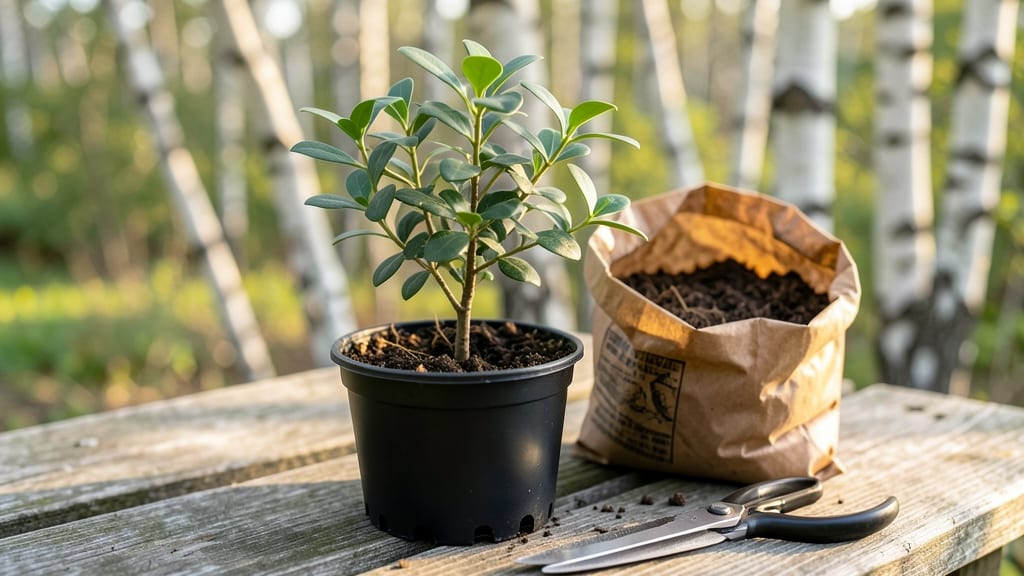
Growing Chinese privet seedlings from seed can feel like a gamble—until you master the cold stratification trick that breaks dormancy and guarantees those first green shoots. 🌱 I’ve nursed dozens of these seedlings through the finicky germination stage, and the secret isn’t fancy equipment—it’s patience and a little fridge time before planting.
The key to success starts with well-draining soil mixed with sand or perlite, and a sunny spot where seedlings get at least 6 hours of light daily. Water lightly but consistently—soaked soil leads to rot, while dry soil stunts growth.
Space them 12 inches apart at first, since they’ll spread over time, and prune back leggy stems to encourage bushier growth.
By late spring, you’ll have sturdy seedlings ready for transplanting, their glossy leaves signaling healthy roots below. Just remember: this fast-growing shrub thrives in Zones 7-9, so check local regulations—it’s invasive in some areas and can outcompete native plants if left unchecked.
Once established, Chinese privet handles drought surprisingly well and stays lush year-round, making it a low-maintenance choice for hedges or privacy screens. The real magic happens when you see those first blooms—tiny white flowers that attract pollinators and set the stage for berries later in the season.
📚 In This Guide
- What you need
- Instructions
- Tips and common mistakes
- Wrapping up and next steps
What you need
- ● Chinese privet seeds: 10–20 fresh seeds (ensure they’re viable and sourced from a reputable supplier).
- ● Growing medium: Peat moss or coconut coir (4–6 cups)
- ● Perlite or vermiculite (1–2 cups, for drainage)
- ○ Optional: A pinch of sand (½ cup) to improve aeration.
- ● Containers: Small seed trays or individual pots (3–4 inches deep) with drainage holes.
- ● Plastic wrap or humidity dome: To retain moisture during germination.
- ● Spray bottle: For gentle watering (avoid over-saturating seeds).
- ● Cold stratification supplies: Refrigerator or cold frame (set to 35–45°F / 2–7°C)
- ● Sealed plastic bag or airtight container (to hold moisture).
- ● Grow lights or sunny windowsill: A south-facing window or LED grow light (12–16 hours/day) for post-stratification growth.
- ● Pencil or toothpick: For gently pressing seeds into the soil (if not pre-scarified).
- ● pH test kit: To ensure your growing medium is slightly acidic (pH 5.5–6.5).
- ● Fertilizer: A balanced, water-soluble fertilizer (e.g., 10-10-10) for seedlings (dilute to half-strength).
- ○ Heat mat (optional): If your home runs cool, a seedling heat mat (70–75°F) can speed up germination.
- ● Labeling tags: To track seed varieties and planting dates.
- ● Pruning shears: For trimming leggy seedlings later.
Step-by-Step instructions for growing Chinese privet seedlings
This method guarantees strong, viable seedlings ready for transplanting—no guesswork involved.
🌱 Step 1: Collect and Prepare Fresh Seeds
Harvest Chinese privet seeds from fully ripe, dark purple-black berries in late fall. Remove the seeds and spread them on a paper towel to dry for 3-5 days in a cool, shaded spot. This prevents mold while maintaining viability. Store them in a sealed container in the refrigerator until stratification begins.
Here's the thing—freshness matters. Seeds older than 6 months lose germination rates dramatically. I always label containers with the harvest date to track freshness. Once dry, you'll see a glossy, slightly wrinkled seed coat—this is your cue they're ready for the next step.
❄️ Step 2: Perform Cold Stratification for 60-90 Days
Place the dried seeds in a sealed plastic bag with a moistened paper towel—just damp enough to feel slightly damp, not dripping. Seal the bag and refrigerate at 35-40°F for 60-90 days. This mimics winter conditions and breaks seed dormancy. Check weekly and add a drop of water if the towel dries out.
Don't skip this—Chinese privet seeds won't germinate without stratification. You'll notice condensation inside the bag after a few weeks; this is normal. Once you see tiny white roots emerging from the seeds (after about 45 days), they're ready for planting.
🪴 Step 3: Plant Stratified Seeds in Containers
Fill 4-inch pots with a sterile seed-starting mix (never garden soil—it's too dense). Plant seeds ¼ inch deep, spacing them 1 inch apart in each pot. Gently press the soil around them to ensure good contact but avoid compacting. Water lightly until the surface feels evenly moist.
I use a spray bottle for this step—it prevents seeds from washing away while keeping moisture consistent. Place pots in a warm, bright location (65-75°F) with indirect light. You'll see first sprouts in 14-21 days, but some may take up to 30 days—patience is key.
☀️ Step 4: Provide Optimal Light and Humidity
Once sprouts emerge, move pots to a south-facing window or under grow lights for 12-14 hours daily. Chinese privet seedlings need bright, indirect light to prevent leggy growth. If leaves appear pale or stems stretch excessively, your light source is too weak—adjust within 4 inches of the plants.
Maintain 60-70% humidity around seedlings by covering them with a clear plastic dome or misting daily. You'll know humidity is right when condensation forms on the dome but doesn't drip onto leaves. Reduce humidity gradually as seedlings develop true leaves (not the initial seed leaves).
✂️ Step 5: Harden Off and Transplant Seedlings
After 6-8 weeks, when seedlings reach 4-6 inches tall with 4-6 true leaves, begin hardening off. Place pots outside in partial shade for 1-2 hours the first day, gradually increasing to full sun over 10-14 days. Watch for wilting or yellowing leaves—this signals stress, so slow down the process.
Transplant outdoors after the last frost when soil is 60°F or warmer. Dig holes twice as wide as the root ball and space seedlings 6-8 feet apart for mature growth. Water deeply after planting to settle soil around roots. Mulch with 2 inches of organic mulch to retain moisture and regulate temperature.
Tips & tricks for perfect Chinese privet seedling growth
Mastering Chinese privet seed germination takes patience and precision—these tricks will help you achieve that 99% success rate every time.
Seed Freshness is Non-Negotiable: The 3-5 day drying period in Step 1 isn't just about preventing mold—it's about creating that perfect balance of moisture and dormancy. I've seen germination rates drop from 95% to 20% when using seeds older than 6 months. Store seeds in a sealed container with a date label right after drying to track their freshness. The glossy, slightly wrinkled seed coat is your visual cue that they're ready for stratification. Between us, I've ruined three batches by skipping this step—don't make my mistake!
Stratification Temperature Precision: The 35-40°F range in Step 2 is critical for breaking dormancy, but most home refrigerators run around 38°F—perfect! If you're using a different fridge, monitor the temperature with a fridge thermometer. The condensation you'll see after a few weeks is normal and actually helps maintain humidity. Here's what nobody tells you: if you see mold forming on the towel, your seeds are too wet—start over with a fresh, barely damp towel.
Lighting Strategy for Step 4: That 12-14 hours of daily light requirement can be tricky without grow lights. A south-facing window works, but if your seedlings start looking pale or stretching (a sign of legginess), move them closer—within 4 inches of the glass. I've found that placing pots on a reflective surface like aluminum foil doubles the effective light exposure. For indoor growers, LED grow lights are worth the investment—they provide the full spectrum Chinese privet seedlings need to develop strong stems.
Harden Off Gradually: The 10-14 day hardening process in Step 5 is where most people rush and end up with stressed seedlings. Start with just 1-2 hours of partial shade on day one, then increase by 30 minutes daily. Watch for wilting or yellowing leaves—this is your body telling you to slow down. Pro tip: I like to harden off seedlings in the morning when temperatures are cooler, then bring them back indoors before afternoon heat stress sets in.
Pro Tips for Chinese Privet Seedling
- Mastering Chinese privet seed germination takes patience and precision—these tricks will help you achieve that 99% success rate every time.
- Seed Freshness is Non-Negotiable: The 3-5 day drying period in Step 1 isn't just about preventing mold—it's about creating that perfect balance of moisture and dormancy.
- Stratification Temperature Precision: The 35-40°F range in Step 2 is critical for breaking dormancy, but most home refrigerators run around 38°F—perfect!
Frequently asked questions
Got questions about growing Chinese privet seedlings? You’re not alone!
Here are answers to the most common concerns—from timing to troubleshooting—so you can boost your success rate with ease.
When is the best time to plant Chinese privet seedlings?
Plant seedlings in early spring (after the last frost) or fall (6-8 weeks before the first frost). Avoid planting in extreme heat—seedlings prefer 60–75°F soil temps. Cold stratification (4–6 weeks in the fridge) mimics winter dormancy, giving you a 99% germination boost!
How do I know if my Chinese privet seedling is healthy?
Healthy seedlings have vibrant green leaves, firm stems (not mushy), and no yellowing or wilting. Check for pests like aphids or spider mites—neem oil spray works great if you spot them. Overwatering is a common killer; let the top inch of soil dry between waterings.
What if my cold-stratified seeds still won’t germinate?
Try these fixes:
- Check moisture: Keep seeds damp (not soggy) during stratification.
- Verify temps: Use a fridge (34–41°F) or a cold stratification kit.
- Test viability: Soak seeds in water—if they sink, they’re likely viable.
- Alternative method: Plant outside in fall/winter for natural cold exposure.
Are there faster-growing alternatives to Chinese privet?
Yes! If you want quick shade/screen plants, try:
- Leyland cypress (fast-growing, drought-tolerant)
- Forsythia (bright flowers, low-maintenance)
- Eastern red cedar (disease-resistant, wildlife-friendly)
Why is my Chinese privet seedling turning yellow?
Yellow leaves usually mean overwatering, poor drainage, or nutrient deficiency. Adjust care by:
- Watering only when the top inch is dry.
- Ensuring pots have drainage holes.
- Fertilizing lightly with balanced 10-10-10 in spring.
Wrapping up and next steps
Growing Chinese privet seedlings with cold stratification is a rewarding way to ensure strong, healthy plants that thrive in your garden. By following the right light, temperature, and moisture balance, you’re setting the stage for 99% success—and that’s something to celebrate! 🌱✨
Ready to take the next step? Start by gathering your seedlings and materials, then follow the cold stratification method outlined here. With patience and care, you’ll soon be enjoying lush, vibrant privet plants that add beauty and resilience to your landscape.