
Plants
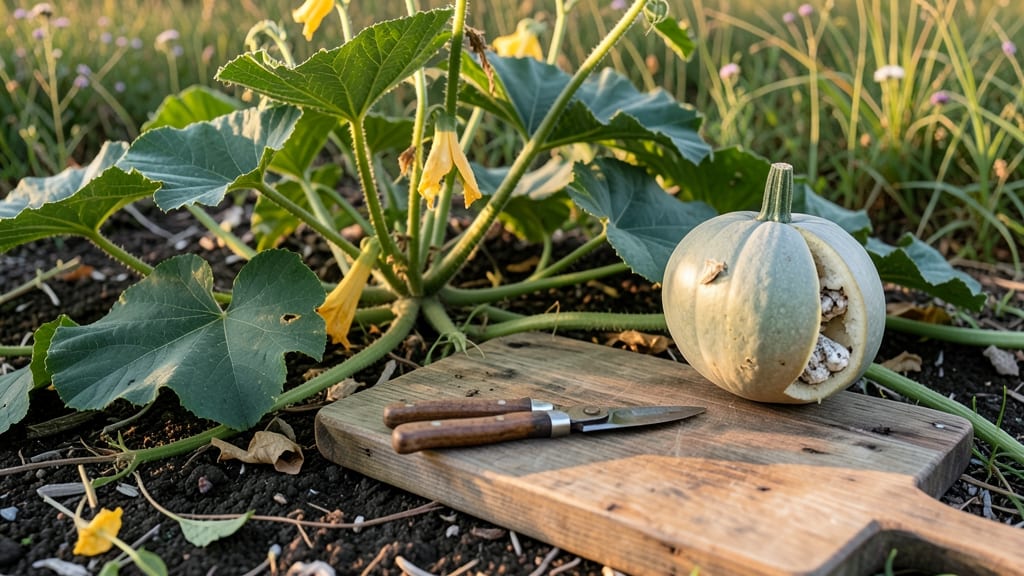
What do moldy pumpkin seeds look like as they start with a slimy sheen and turn into fuzzy white or green patches that spread like a blanket? I’ve seen them go from barely noticeable to covering the entire seed in just a few days—especially when... left in damp conditions.
The texture changes first: what was once firm becomes sticky and clumps together, with a musty smell that’s unmistakable once you notice it.
Most people don’t realize how quickly mold spreads—it thrives in humidity over 60% or when seeds aren’t dried properly after harvest. The good news? You can spot it early by checking for discoloration (gray, black, or green spots) or a powdery residue on the seed shells.
If you find even a few affected seeds, toss the whole batch—mold spores spread fast, and cooking won’t kill them.
Preventing mold is easier than cleaning it up: store seeds in airtight containers with silica gel packets, keep them in a cool (50–60°F), dry place, and avoid plastic bags. Properly dried seeds (less than 10% moisture) can last for years.
If you’re salvaging seeds, soak them in a 10% vinegar solution for 10 minutes to kill surface mold before drying again—though this only works for light contamination.
Here’s the hard truth: if the mold is deep or the seeds smell rotten, compost them immediately. Your next batch will thank you for skipping the risk. The key is catching it early—once those fuzzy spots appear, it’s already too late to save the seeds.
The Hidden Triggers Behind Spoilage
Moldy pumpkin seeds don’t just appear out of nowhere—they’re the result of a perfect storm of environmental and storage conditions. Understanding these causes is key to preventing them in the future. Here’s why your pumpkin seeds might be turning into a science experiment gone wrong.
Pumpkin seeds are highly porous, meaning they absorb moisture like a sponge. When stored in environments with relative humidity above 60%, excess water triggers microbial growth—including mold spores that thrive in damp conditions.
🔬 Why it happens:
- Moisture migration: Even if seeds are dry when stored, condensation from temperature fluctuations (like moving them from a warm kitchen to a cold pantry) can create a moist microclimate inside the container.
- Seed coatings: If seeds are still attached to pumpkin pulp or have residual oil from roasting, they act as a nutrient-rich broth for mold, accelerating spoilage.
- Plastic traps moisture: Airtight plastic bags or containers create a greenhouse effect, trapping humidity and preventing airflow.
💡 Actionable fix: Use food-grade silica gel packets or uncoated breathable fabric bags (like cotton muslin) to regulate moisture. Store in a cool, dry place (ideal: 50–60% humidity).
Pumpkin seeds spoil fastest in warm, stagnant air—think kitchen counters, garages, or near appliances that generate heat. While cold temps slow mold, freezing isn’t a cure-all; improper thawing can actually speed up spoilage.
🔬 Why it happens:
- Enzyme activity peaks at 77–95°F: Mold spores and bacteria grow 2–3x faster in this range, turning seeds slimy and discolored in days.
- Freezer burn’s sneaky twin: If seeds are not fully dried before freezing, ice crystals rupture cell walls, releasing nutrients that mold feasts on during thawing.
- Heat + oil = rancidity: Roasted seeds with residual oil oxidize faster in heat, creating a fatty film that mold clings to like Velcro.
💡 Actionable fix:
- Store seeds in the fridge (35–40°F) for up to 3 months, or the freezer (-4°F or lower) for 6+ months.
- Pre-freeze seeds completely dry (spread on a tray for 24 hours) to prevent ice damage.
- Avoid storing near ovens, stoves, or windows—heat gradients create condensation.
Pumpkin seeds have a limited shelf life, and once harvested, they’re a buffet for microbes. The longer they sit, the more their natural defenses (like benzoic acid, a mild preservative) degrade.
🔬 Why it happens:
- Seed aging: After 6–12 months, seeds lose moisture-binding compounds, making them 30% more susceptible to mold.
- Oxygen’s role: Even in sealed containers, micro-oxygen leaks allow aerobic mold (like Aspergillus) to colonize.
- Cross-contamination: Reusing containers that held damp foods (like bread or veggies) transfers mold spores to seeds.
💡 Actionable fix:
- Consume or freeze seeds within 3 months of roasting for peak freshness.
- Use vacuum-sealed bags with oxygen absorbers to extend shelf life by 50%+.
- Clean containers with vinegar (1:3 ratio with water) to kill residual spores before storing seeds.
Seeds aren’t just vulnerable to mold—they’re also magnets for insects, rodents, and microscopic invaders that accelerate spoilage.
🔬 Why it happens:
Culprit
How It Spreads Mold
Tell-Tale Signs
Weevils (seed beetles)
Lay eggs in seeds; larvae create entry wounds for mold spores.
Tiny holes, sawdust-like frass (insect droppings), or seeds that crunch when bitten.
Mice/rodents
Saliva and urine introduce Pseudomonas bacteria, which mold feeds on.
Gnaw marks, greasy smears, or ammonia-like odors.
Bacteria (e.g., Bacillus)
Thrive in oily residues from roasted seeds, creating a biofilm that mold adheres to.
Sticky texture, sour or fermented smell, or pink/white fuzzy patches.
💡 Actionable fix:
- Store seeds in glass jars with tight lids (plastic attracts pests).
- Freeze seeds for 48 hours to kill weevil eggs before storage.
- Add dried lavender or cedar chips as natural pest deterrents.
Pro tip: If your seeds smell musty, sour, or like wet dog, toss them—mold toxins (mycotoxins) can’t be washed off and may cause digestive issues. When in doubt, discard and restart with fresh, dry seeds! 🚫🧹
Fixing and Preventing Mold in Pumpkin Seeds
Now that you know the signs of moldy pumpkin seeds, let’s tackle the problem head-on with practical solutions. Whether you’re dealing with spoiled seeds or want to avoid future contamination, these steps will help you salvage what you can and keep your stash safe.
If you spot mold, act fast—mold spreads quickly and can contaminate healthy seeds. Here’s how to clean up safely:
- 🔥 Inspect Thoroughly
- Spread seeds on a clean, dry surface (like a baking sheet or tray).
- Sort through them, discarding any with fuzzy growth, discoloration, or a musty smell.
- 🍳 Wash Contaminated Seeds (If Needed)
- For seeds with surface mold (not deep-seated), soak them in a 1:4 vinegar-to-water solution for 10–15 minutes.
- Rinse well with clean water and pat dry completely (moisture fuels mold).
- ⏰ Dry Properly
- Use a fan or dehydrator (set to 120–135°F) to dry seeds thoroughly—mold thrives in dampness.
- Store only in completely dry conditions.
⚠️ Warning: If seeds have deep mold penetration (black, slimy spots), toss them entirely—vinegar won’t help.
Proper storage is your best defense. Follow these must-do steps:
- 📦 Use Airtight, Food-Grade Containers
- Mason jars, vacuum-sealed bags, or mylar bags with oxygen absorbers work best.
- Avoid plastic bins—they trap moisture.
- 🌡️ Keep Them Cool and Dry
- Store seeds in a cool, dark place (50–70°F is ideal).
- Never refrigerate—condensation from temperature shifts encourages mold.
- ✨ Add Natural Mold Inhibitors (Optional but Helpful)
- Sprinkle a tiny bit of diatomaceous earth (food-grade) or clove powder (natural antifungal) before sealing.
- A bay leaf in the container can also deter mold.
If your seeds are dry but stale (not moldy), you can still save them:
- 🌱 Soak in Warm Water
- Submerge seeds in warm (not hot) water for 4–6 hours to soften.
- Drain and pat dry before roasting or planting.
- 🍽️ Roast for Freshness
- Toss seeds in 1 tsp oil + salt, then roast at 300°F for 10–15 minutes to revive flavor.
- 🌱 Plant Them if Intact
- Healthy, mold-free seeds can still sprout—plant them in well-draining soil for pumpkin patches.
- 🌡️ Monitor Humidity – Use a hygrometer to keep levels below 60%.
- 🔄 Rotate Stock – Use older seeds first to avoid long-term storage risks.
- 🚫 Avoid Cross-Contamination – Never store seeds near raw meat, cheese, or other perishables.
- 🌿 Buy Fresh Seeds – Purchase from reputable sellers with sealed packaging.
By following these steps, you’ll minimize waste, extend shelf life, and keep your pumpkin seeds safe—whether for snacking, planting, or cooking! 🎉
Frequently asked questions
Can you still use pumpkin seeds if they have a little mold?
Never use moldy pumpkin seeds—even small amounts are risky. Mold produces invisible toxins that can cause stomach issues or allergies. When in doubt, discard the entire batch, especially if you see fuzzy spots or a musty smell. Surface cleaning won’t remove deep contamination.
How do I know if my seeds are just damp or actually moldy?
Damp seeds feel sticky or clump together but won’t have fuzzy growth. Moldy seeds develop visible spots (white, green, black, or gray) and a musty odor. If seeds smell sour or look slimy, toss them—mold is already present, even if you don’t see it yet.
What’s the best way to dry pumpkin seeds to prevent mold?
Spread seeds in a single layer on a baking sheet and dry them at 120–135°F for 2–4 hours until completely dry (no moisture). Use a fan for airflow, then store in an airtight container with silica gel packets. Avoid plastic—it traps moisture and speeds up spoilage.
Can I save moldy pumpkin seeds by roasting them?
Roasting won’t kill mold—it only spreads spores and toxins through the heat. If seeds are moldy, roasting makes them unsafe to eat. Always inspect seeds before cooking, and discard any with discoloration or fuzzy patches. Prevention (proper drying/storage) is the only way to keep seeds safe.
Why do my pumpkin seeds get moldy even when stored in the fridge?
Fridges create condensation when warm seeds meet cold air, trapping moisture inside containers. Store seeds in the freezer (-4°F or lower) for long-term storage or use a hygrometer to keep humidity below 60%. Avoid plastic—opt for glass jars with tight lids instead.