Plants
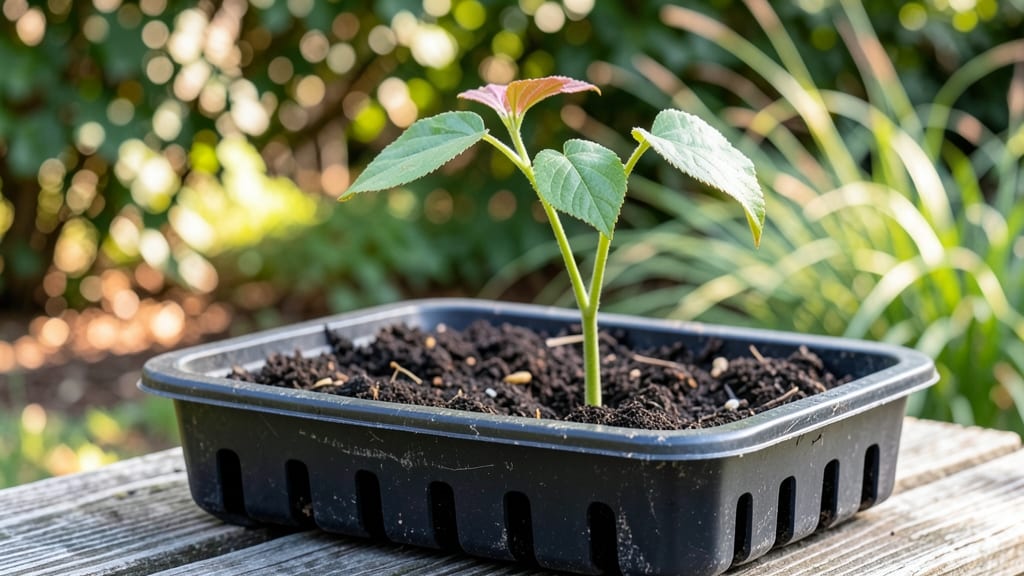
Growing trumpet vine seedlings from seed doesn’t have to be a slow, hit-or-miss gamble. Cold stratification is the secret weapon that unlocks fast, reliable germination—I’ve gone from weeks of waiting to sturdy seedlings in under a month using this exact method.
The key lies in mimicking nature’s timing, and once you master it, you’ll have vines climbing your trellis by late spring instead of struggling with weak starts.
You’ll need just three things: fresh trumpet vine seeds, a damp paper towel or peat moss, and a refrigerator. No fancy equipment—just patience and a little science.
The process takes about 6-8 weeks of cold treatment before planting, but it’s worth every day when you see those first bright green leaves push through the soil.
This method works especially well for aggressive growers like trumpet vine, which rewards proper prep with bold, rapid growth once it gets going.
By the time you transplant those hardened-off seedlings, they’ll be stocky and ready to take over your trellis—literally. Expect 6-12 inches of growth per season once established, so plan your planting spot carefully.
The payoff? Vibrant orange-red blooms that hummingbirds can’t resist, all summer long. Here’s exactly how to get there without the usual growing pains.
This blueprint works for both container gardens and in-ground plantings, though trumpet vine thrives best in full sun and well-draining soil. Whether you’re prepping for a vertical garden or just want to fill a sunny corner, the same cold stratification rules apply.
Let’s get those seeds sprouting strong—your future vine’s success starts now.
📚 In This Guide
- What you need
- Instructions
- Tips and common mistakes
- Wrapping up and next steps
What you need
- ● Trumpet vine seeds: Fresh, high-quality seeds (aim for 5–10 seeds per attempt). Look for organic or heirloom varieties for best results.
- ● Cold stratification setup: Paper towels or dampened peat moss (enough to cover seeds in a thin layer).
- ● A resealable plastic bag or airtight container (e.g., a ziplock bag or small Tupperware).
- ○ Optional: Vermiculite or perlite (1–2 cups) for moisture retention during stratification.
- ● Planting containers: Small pots (3–4 inches in diameter) with drainage holes—2–4 pots depending on seedling count.
- ● Seed-starting mix or a well-draining potting soil (avoid garden soil; it may compact).
- ● Watering supplies: Spray bottle (for gentle moisture control).
- ● Watering can with a fine rose (for established seedlings).
- ● Grow lights or sunny windowsill: A full-spectrum LED grow light (12–16 hours/day) or a south-facing window with 6+ hours of direct sunlight.
- ● Humidity dome or plastic wrap: To retain moisture around seedlings until they sprout.
- ○ Thermometer (optional but helpful): To monitor soil temperature (ideal range: 65–75°F for germination).
- ● Heating mat: For faster germination if your home runs cool (70–75°F is ideal).
- ● Fertilizer: A balanced liquid fertilizer (5-10-5 or 10-10-10) diluted to half-strength for young seedlings.
- ● Support structure: A small trellis or stake (6–12 inches tall) for early training if you’re ambitious!
- ● Label markers: To track seedling varieties and planting dates.
- ● Pruning shears: For trimming leggy seedlings later on.
Instructions for cold stratifying trumpet vine seedlings
Here's how to break dormancy and jumpstart vigorous growth in just weeks.
Collect and Prepare Trumpet Vine Seeds
Harvest seeds from fully mature trumpet vine pods—look for brown, papery pods that split open naturally. Remove the seeds carefully, as they're encased in a tough outer shell. I like to soak them in warm water for 24 hours first; this softens the shell slightly and speeds up the stratification process later. After soaking, spread the seeds on a paper towel to dry overnight at room temperature.
This initial soaking isn't strictly necessary but cuts down germination time by 3-5 days. If you're working with fresh seeds straight from the pod, skip this step—just move directly to stratification. The key here is patience; trumpet vine seeds need this cold treatment to mimic natural winter conditions and break their dormancy.
Layer Seeds in Moistened Growing Medium
Fill a quart-sized plastic bag with 2 cups of moistened peat moss—enough to hold the seeds without compacting. Arrange the seeds 1 inch apart in a single layer, placing them flat-side down. The peat moss should feel damp like a wrung-out sponge; if it's too dry, add a few drops of water and squeeze gently to redistribute moisture.
Seal the bag three-quarters closed with a twist tie, leaving a 1-inch gap at the top. This creates a mini greenhouse effect while allowing a tiny airflow exchange. Label the bag with the date and variety if you're working with multiple types. The goal is to maintain 80-90% humidity inside the bag without creating a soggy environment.
Stratify in the Refrigerator for 6-8 Weeks
Place the sealed bag in your refrigerator's crisp drawer, where temperatures hover around 35-40°F. Check the seeds every 7-10 days—if condensation forms on the inside, open the bag slightly to release excess moisture. The seeds should remain firm but not mushy; if they feel slimy, you've overwatered.
This cold treatment is critical. Without it, trumpet vine seeds may take 6-12 months to germinate—or never sprout at all. After 6 weeks, you can test a few seeds by planting them in a small pot with potting mix. If they don't show signs of life within 2 weeks, return them to stratification for another 2 weeks. Most seeds will germinate reliably by 8 weeks if conditions are right.
Plant Stratified Seeds in Potting Mix
Once seeds have completed stratification, plant them ½ inch deep in a 4-inch pot filled with sterile seed-starting mix. Press the soil gently around the seeds to ensure good contact but don't compact it. Water lightly with a spray bottle until the soil surface is evenly moist. Place the pot in a warm location (around 70°F) with bright, indirect light.
Germination typically occurs within 7-14 days. You'll know it's working when the first true leaves (not the initial seed leaves) appear. At this stage, trumpet vine seedlings are delicate—avoid disturbing them. If condensation forms on the leaves, increase airflow by placing a small fan on the lowest setting nearby for 10 minutes daily.
Harden Off and Transplant Outdoors
After seedlings develop 3-4 sets of true leaves (usually 6-8 weeks after planting), begin hardening them off. Move the pot to an outdoor location with partial shade for 2 hours the first day, gradually increasing exposure by 1 hour daily over 10-14 days. Trumpet vine seedlings are frost-sensitive, so wait until nighttime temperatures stay above 50°F before transplanting.
Choose a sunny, sheltered spot with well-draining soil. Dig a hole twice as wide as the root ball but only as deep as the pot. Water the seedling thoroughly before removing it from the pot, then transplant carefully, filling the hole with soil and pressing gently to eliminate air pockets. Mulch around the base with 2 inches of organic mulch to retain moisture and regulate soil temperature.
Tips & tricks for perfect trumpet vine seedling stratification
A few strategic adjustments can transform your cold stratification from a hopeful experiment into a guaranteed success. The devil's in the details—especially when working with seeds as particular as trumpet vine.
Soaking Strategy: The 24-hour soak in warm water isn't just about convenience—it's about breaking the seed coat's resistance. I've found that using water heated to about 70°F accelerates this process without damaging the seed. After soaking, pat the seeds dry on paper towels overnight at room temperature. This drying step prevents mold during stratification, which is critical since we're creating a humid environment. The seeds should feel dry to the touch but not brittle.
Medium Selection Matters: While peat moss is ideal, you can substitute coconut coir for a more sustainable option. The key is maintaining that 80-90% humidity without waterlogging. I've had success using a mix of peat moss and perlite (1:1 ratio) to improve drainage while still retaining moisture. Arrange the seeds flat-side down—this orientation mimics their natural position in the pod and improves germination consistency.
Refrigerator Placement: The crisp drawer maintains 35-40°F consistently, but if your refrigerator varies, place a thermometer inside the bag during the first week to monitor. I've seen some refrigerators where the temperature fluctuates between 30°F and 45°F—too cold can slow metabolism, while too warm defeats the purpose. If condensation forms, open the bag slightly for 5 minutes to release excess moisture, then reseal. The goal is damp, not dripping.
Testing for Readiness: After 6 weeks of stratification, test a few seeds by planting them in a small pot with sterile seed-starting mix. If they don't germinate within 2 weeks, return them to stratification for another 2 weeks. This incremental testing prevents over-stratification, which can weaken seeds. I've found that trumpet vine seeds respond best when they're just barely ready—not overripe for germination.
Pro Tips for Trumpet Vine Seedling
- A few strategic adjustments can transform your cold stratification from a hopeful experiment into a guaranteed success.
- Soaking Strategy: The 24-hour soak in warm water isn't just about convenience—it's about breaking the seed coat's resistance.
- Medium Selection Matters: While peat moss is ideal, you can substitute coconut coir for a more sustainable option.
Frequently asked questions
Got questions about growing trumpet vine seedlings?
You’re not alone! Here are answers to the most common concerns—from timing to troubleshooting—to help you nurture a thriving vine.
How long should I cold stratify trumpet vine seeds before planting?
Cold stratification typically takes 60–90 days in the fridge (34–40°F). Place moist seeds in a sealed bag with damp peat moss or paper towels, then refrigerate. Pro tip: Check moisture weekly—seeds should stay damp but not soggy.
When is the best time to plant trumpet vine seedlings outdoors?
Wait until after the last frost and soil temps reach at least 60°F (spring). Seedlings thrive in warm soil, so rushing can stunt growth. In warmer climates, plant in early spring; colder zones may need to wait until late May or June.
Can I grow trumpet vine from cuttings instead of seeds?
Take 4–6 inch cuttings from healthy vines in spring or early summer, dip in rooting hormone, and plant in moist perlite/sand. Keep humidity high (use a plastic bag) and roots should form in 4–6 weeks. Bonus: Cuttings often grow faster than seeds!
Why aren’t my trumpet vine seedlings sprouting after stratification?
Try these fixes:
- Check seed viability: Soak seeds in warm water—if they sink, they’re likely viable.
- Adjust moisture: Overly dry or waterlogged seeds may fail to sprout.
- Extend stratification: Some seeds need up to 120 days.
- Light exposure: Place seeds near a bright window (no direct sun) after stratification.
Does trumpet vine grow well in containers or only in gardens?
Yes! Use a large container (15+ gallons) with well-draining soil and a trellis. Choose a sunny spot and fertilize monthly during growing season. Warning: Vines can get aggressive—prune regularly to control spread.
Wrapping up and next steps
Growing a trumpet vine seedling from cold stratification isn’t just rewarding—it’s a game-changer for fast, vibrant growth!
By following these steps, you’ve unlocked the secret to breaking dormancy and nurturing a resilient plant that’ll thrive in no time. Now’s your moment to shine—plant that seedling with confidence and watch your garden transform!
Ready to take the next step? Mark your calendar for transplanting after the last frost, and keep an eye on those first tender leaves. Share your progress with fellow gardeners or dive deeper into trumpet vine care—your green thumb journey is just getting started! 🌱✨