Watering
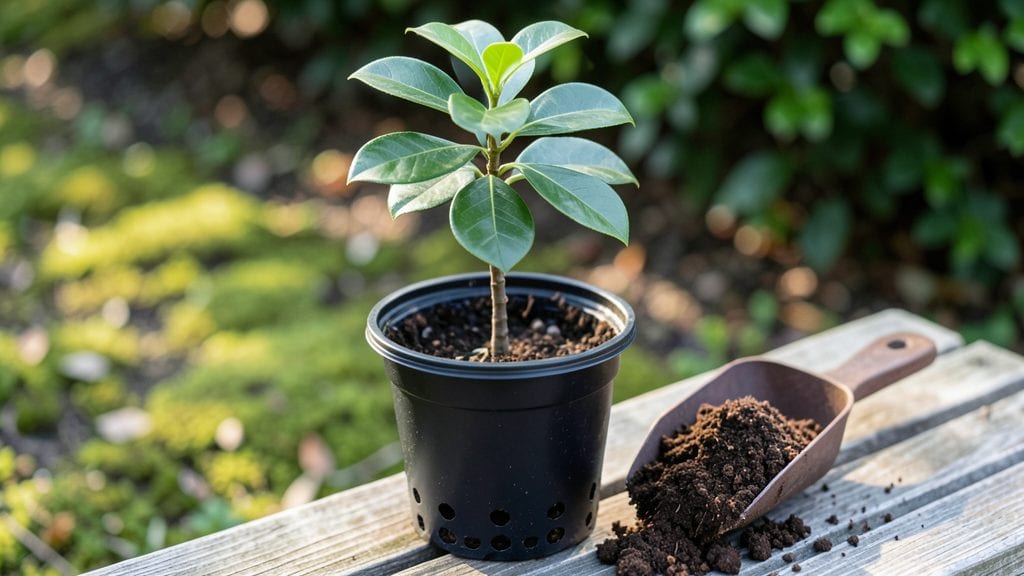
Growing a sweetbay magnolia seedling into a lush, year-round privacy screen starts with the right conditions—moist, well-drained soil and dappled sunlight that mimics its native forest floor. 🌿 I’ve watched these delicate seedlings transform into towering evergreens that block winter winds while keeping summer breezes flowing, and the secret lies in patience and proper care from day one.
The first year is all about establishing strong roots, not rapid growth. You’ll need a 5-gallon container for seedlings, a mix of peat moss and native soil, and a watering can that delivers 1-2 gallons weekly—enough to keep the soil damp but never soggy.
Fertilizer waits until spring, when new growth signals the plant’s ready to feed.
By year three, your seedling will reward you with glossy, dark green leaves and that signature magnolia fragrance when crushed. The real magic happens in winter, when most privacy screens stand bare, but your sweetbay stays dense and vibrant.
Just watch for deer browsing—young plants need protection until they reach 6 feet tall.
This isn’t a fast process, but the payoff is worth it: a 20-foot-tall living wall that thrives in USDA zones 5-9 without fuss. The key is consistency—water when the top inch of soil dries, prune only to shape, and avoid heavy clay soil that strangles roots.
Your future privacy screen starts with a single seedling and a little daily attention.
📚 In This Guide
- What you need
- Instructions
- Tips and common mistakes
- Wrapping up and next steps
What you need
- ● Sweetbay magnolia seeds – 5–10 seeds (fresh or stratified for best germination).
- ● Seed-starting mix – 2–3 gallons of well-draining, sterile potting soil (look for a mix labeled for seedlings or magnolias).
- ● Seedling trays or small pots – 4–6 biodegradable pots (3–4 inches deep) or a seed tray with cell inserts.
- ● Watering can or spray bottle – With a gentle misting nozzle for hydration.
- ● Plastic wrap or humidity dome – To retain moisture during germination.
- ○ Grow lights or sunny windowsill – A south-facing window or a 12–16 hour LED grow light (optional but speeds up growth).
- ● Fertilizer – A balanced, water-soluble fertilizer (5-10-5 or 10-10-10) for seedlings.
- ● Trowel or small shovel – For transplanting seedlings outdoors.
- ● Seed stratification kit – If using unstratified seeds (cold-moist treatment for 60–90 days).
- ● Soil thermometer – To monitor germination conditions (ideal: 60–70°F).
- ● Mulch (pine straw or shredded bark) – For transplanting to protect roots.
- ● Pruning shears – For shaping young plants as they grow.
- ● Garden stakes or cages – To support seedlings in windy areas.
- ● pH testing kit – Ensures soil pH is slightly acidic (5.0–6.5, ideal for magnolias).
Step-by-step instructions for growing a sweetbay magnolia seedling
Turn those tiny seeds into a lush, evergreen privacy screen with these straightforward steps.
🌱 Step 1: Stratify the Seeds for Germination
Sweetbay magnolia seeds need a cold period to break dormancy. Place the seeds in a plastic bag with a damp paper towel, then refrigerate for 60-90 days. Check weekly—they should feel moist but not soggy. This mimics winter conditions and signals the seed it's time to grow.
I like to write the date on the bag so I don’t forget. After 90 days, remove the seeds and let them sit at room temperature for 2-3 days before planting. This final warm-up helps kickstart germination. If you rush this step, you’ll likely end up with weak seedlings that struggle to establish.
🪴 Step 2: Plant in Well-Draining Soil
Fill a 4-inch pot with a mix of 50% potting soil and 50% perlite to ensure good drainage—magnolias hate soggy roots. Plant each seed ½ inch deep and space them 2 inches apart if sowing multiple. Gently press the soil around the seeds to secure them without compacting.
Place the pot in a warm, bright spot with indirect light—direct sun can dry out the soil too quickly. Keep the soil consistently moist but never waterlogged. A spray bottle works best here to avoid disturbing the seeds. You’ll see tiny sprouts in 4-8 weeks, but don’t be surprised if some take longer.
☀️ Step 3: Transplant to Larger Containers
Once seedlings reach 3-4 inches tall and have 2-3 sets of true leaves, it’s time to move them to 6-inch pots. Use the same soil mix to maintain drainage. Handle the seedlings carefully—their roots are delicate. Water thoroughly after transplanting to help them settle in.
Keep the young plants in partial shade for the first 2 weeks to reduce stress. Gradually introduce them to more sunlight over the next 2 weeks. This slow transition prevents leaf scorch and helps them build resilience. If you notice yellowing leaves, it’s a sign of too much direct sun or overwatering.
🌿 Step 4: Acclimate Before Outdoor Planting
When seedlings are 12-18 inches tall and have a sturdy stem, they’re ready for the garden. Before planting, harden them off by placing them outdoors in a sheltered spot for 2-3 hours the first day, then gradually increase their time outside over 1-2 weeks. This helps them adjust to wind, sun, and temperature fluctuations.
Choose a location with partial shade to full sun and well-draining soil. Dig a hole twice as wide as the root ball but only as deep as the pot. Gently remove the seedling, place it in the hole, and backfill with soil, pressing lightly to eliminate air pockets. Water deeply to help the roots establish.
Tips & tricks for perfect sweetbay magnolia seedlings
Growing sweetbay magnolia seedlings from tiny seeds takes patience and precision—but these tricks will help you avoid common pitfalls and give your seedlings the best start possible.
Stratification Secret: Don't skip the cold treatment! The 60-90 day refrigeration period is absolutely critical for breaking seed dormancy. I like to use a small plastic container with a damp paper towel instead of a bag—it lets me check moisture levels more easily. After the 90 days, that 2-3 day warm-up at room temperature is just as important as the cold period. Think of it like waking up from a long winter's nap—your seeds need that gradual transition.
Soil Mix Matters: That 50% potting soil/50% perlite mix isn't just about drainage—it's about creating the perfect environment for those delicate roots. If you don't have perlite, you can substitute it with coarse sand or even small gravel, but avoid anything too fine that could compact. And here's a pro move: sterilize your potting soil first by baking it in the oven at 200°F for 30 minutes to kill any pathogens that could harm your seedlings.
Transplanting Technique: When moving your 3-4 inch seedlings to 6-inch pots in Step 3, handle them like they're made of glass—they are! Use a small trowel to gently loosen the soil around the edges before lifting, and never pull by the stem. After transplanting, give them a good drink of water, but don't let them sit in soggy soil. That 2-week partial shade period is non-negotiable—it's when they're most vulnerable to stress. I've seen seedlings go from thriving to wilting overnight when moved to too much sun too soon.
Hardening Off Hack: The 2-3 hour to 1-2 week hardening off process can feel tedious, but it's worth every minute. Start by placing your seedlings in a sheltered spot that gets dappled sunlight—like under a tree with filtered light. Gradually move them to sunnier spots over the days. I like to keep a small fan nearby during this process to help them develop stronger stems. This mimics natural wind conditions and prevents those leggy, weak seedlings that flop over at the slightest breeze.
Pro Tips for Sweetbay Magnolia Seedling
- Growing sweetbay magnolia seedlings from tiny seeds takes patience and precision—but these tricks will help you avoid common pitfalls and give your seedlings the best start possible.
- Stratification Secret: Don't skip the cold treatment!
- Soil Mix Matters: That 50% potting soil/50% perlite mix isn't just about drainage—it's about creating the perfect environment for those delicate roots.
Frequently asked questions
Got questions about growing your sweetbay magnolia seedling into a lush privacy screen? You’re in the right place! Here are answers to the most common queries—from planting tips to troubleshooting—so you can nurture your seedling with confidence.
When is the best time to plant a sweetbay magnolia seedling?
The ideal window is early spring (after the last frost) or fall (6-8 weeks before your first frost). These seasons give seedlings time to establish roots before extreme heat or cold. Avoid planting in summer—intense sun and heat stress young roots. If you must plant in fall, choose a mild-climate zone (USDA Zones 5-9) and water deeply before winter sets in.
How often should I water a sweetbay magnolia seedling?
Water deeply 2-3 times per week for the first year, ensuring the soil stays consistently moist but not soggy. Once established (after 1-2 years), reduce to 1-2 times per week, depending on rainfall. Mulch around the base (2-3 inches deep) to retain moisture and protect roots. Overwatering can lead to root rot—always check soil moisture before watering!
Why are the leaves on my sweetbay magnolia seedling turning yellow?
Yellowing leaves (chlorosis) usually signal overwatering, nutrient deficiency, or poor drainage. First, check the soil—if it’s waterlogged, reduce watering and improve drainage by amending with compost or sand. Yellow leaves can also mean iron deficiency; apply an iron supplement or use chelated iron fertilizer. Lower leaves yellowing first? It’s often natural aging—prune them to encourage new growth.
How fast does a sweetbay magnolia grow, and when will it provide privacy?
Sweetbay magnolias grow at a moderate pace: 12–24 inches per year under ideal conditions. With proper care, a 6-foot-tall seedling can reach 10–15 feet in 5–7 years. For a dense privacy screen (10+ feet tall), plan for 7–10 years. Plant seedlings 3–5 feet apart to encourage faster, fuller growth and quicker coverage.
Can I grow a sweetbay magnolia from seed instead of buying a seedling?
Yes, but it’s slow and less reliable! Seeds take 1–2 years to germinate and may not grow true to the parent plant. Seedlings from nurseries are faster-growing, disease-resistant, and genetically stable. If you’re committed to growing from seed, stratify seeds (cold-moist treatment for 60–90 days) to mimic winter conditions and improve germination rates. Patience is key—seedlings may take 5+ years to mature!
How cold-hardy are sweetbay magnolia seedlings, and do they need winter protection?
Sweetbay magnolias are hardy to USDA Zones 5–9, but young seedlings (<3 years old) need extra care in colder zones. Protect them with mulch (4–6 inches) and a burlap wrap around the trunk to prevent sunscald. In Zone 5, consider winterizing with frost cloth or planting in a sheltered spot. Once established, mature trees handle winter well—but young roots are still vulnerable to freeze-thaw cycles.
Wrapping up and next steps
Growing a sweetbay magnolia seedling into a lush, year-round privacy screen is a rewarding journey—one that starts with patience and the right care. From selecting the perfect spot to mastering watering techniques, each step brings you closer to a fragrant, shade-loving beauty that thrives effortlessly. You’ve got this! 🌱
Ready to watch your tiny seedling transform? Take the next step:
- Mark your calendar for regular watering checks.
- Monitor soil moisture like a pro.
- Celebrate every new leaf—your green oasis is growing!