
Pruning
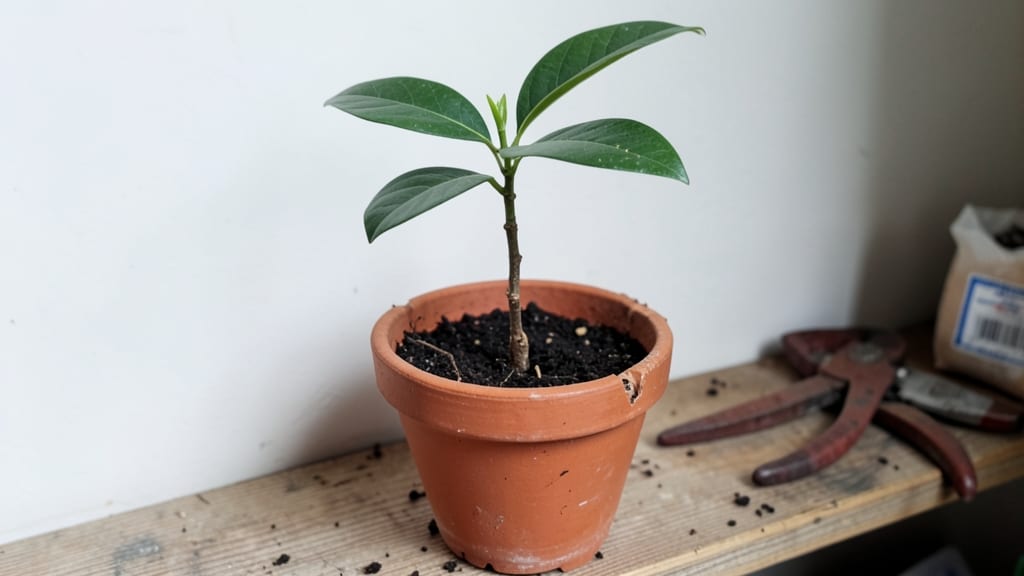
Pruning avocado seedlings might seem intimidating, but it’s the secret to a tree that grows strong and produces fruit for decades. ✨ I’ve pruned dozens of seedlings, and the difference between a leggy, weak sapling and a sturdy, bushy tree comes down to a few simple cuts made at the right time.
The goal isn’t to shape a fancy bonsai—it’s to encourage thick branches, a wide canopy, and a root system that can support heavy fruit later.
You’ll need just three things: sharp pruning shears (or clean scissors in a pinch), a small spray bottle with rubbing alcohol for sterilizing cuts, and a sunny day to work.
Start pruning when your seedling reaches about 12–18 inches tall, focusing on removing the lower leaves to create a bare trunk of 6–12 inches. This might sound drastic, but it forces the plant to grow thicker, not taller—exactly what you want for a fruit-bearing tree.
The first pruning session sets the foundation for everything that follows. After you’ve made your cuts, step back and admire the new shape—you’re not just trimming, you’re teaching the tree how to grow.
Within weeks, you’ll notice fresh growth at the cut points, and the remaining leaves will start spreading outward instead of shooting straight up. That’s the moment you know you’re doing it right.
Here’s the best part: this early pruning pays off years later when your tree is heavy with fruit. A well-shaped avocado seedling becomes a sturdy, productive tree that resists wind damage and supports branches without snapping.
And the process gets easier with each season—once you’ve done it once, you’ll recognize the right cuts instinctively.
📚 In This Guide
- What you need
- Instructions
- Tips and common mistakes
- Wrapping up and next steps
What you need
- ● Pruning shears – Bypass-style (sharp, clean cuts), sterilized (70% isopropyl alcohol or bleach solution). Size: 5–7 inches for small seedlings.
- ● Garden gloves – Nitrile-coated (durable, protects from sap and thorns). Quantity: 1 pair.
- ● Disinfectant – 70% isopropyl alcohol or 10% bleach solution (1 part bleach to 9 parts water). Quantity: Small spray bottle or container.
- ○ Sharpie or permanent marker – For marking cuts (optional but helpful for tracking growth).
- ● Small trowel or knife – For thick stems (if shears are too small). Blade size: 2–3 inches.
- ○ Horticultural sealant – Pruning wax (optional but recommended for large cuts > ½ inch). Brand tip: Look for Tanglefoot Pruning Seal.
- ● Hand lens or magnifying glass – To inspect cuts for disease or pests up close.
- ● Rubbing alcohol wipes – For quick tool sterilization between cuts.
- ● Twine or plant ties – If you’re training the seedling to a stake.
- ● Compost or mulch – To cover the base after pruning (reduces stress).
Instructions for pruning avocado seedlings
Here’s how to shape your young avocado tree for a sturdy, productive future.
🌱 Step 1: Identify the Main Stem and Lower Branches
Start by examining your seedling for the central stem—this is your tree’s backbone. Look for any branches growing within the first 12 inches of the stem. These low branches compete with the main trunk for energy and can weaken the tree’s structure. Use clean, sharp pruning shears to remove them at a 45-degree angle, about ¼ inch above a leaf node.
This ensures the cut heals properly and encourages new growth in the right direction. If you’re unsure which branches to remove, prioritize those that grow straight out from the stem rather than upward. You’ll know you’re doing it right when the main stem looks strong and unobstructed.
✂️ Step 2: Prune for an Open Center
Once the lower branches are gone, focus on shaping the upper canopy. Avocado trees thrive with an open center, allowing sunlight and air to circulate freely. Look for branches that cross or rub against each other—these are prime candidates for removal. Cut them back to a healthy outward-facing bud or branch.
Real talk: Don’t overthink this step. You’re not sculpting a bonsai—just creating space for the tree to grow strong. If you accidentally remove too much, your avocado will still recover as long as the main stem remains intact. Aim for a balanced shape where no single branch dominates.
☀️ Step 3: Thin Out Overcrowded Growth
Now, scan the tree for suckers—those small, weak shoots sprouting from the base or along the trunk. These steal nutrients from your main tree, so snip them off at the base with your shears. Next, look for water sprouts: fast-growing, vertical shoots that pop up in the canopy. These rarely produce fruit, so prune them back to a side branch or bud.
You’ll see the difference immediately—your tree will look more open and less chaotic. This step is all about redirecting energy to the strongest branches. If you’re unsure which branches to keep, err on the side of caution and leave the healthier-looking ones.
💧 Step 4: Clean Up and Monitor the Tree
After pruning, step back and assess your work. Remove any dead, diseased, or damaged branches—these are easy to spot because they’re brown, mushy, or missing leaves. Sterilize your shears with rubbing alcohol between cuts to prevent spreading disease. Once finished, give the tree a light watering to help it recover from the stress of pruning.
Here’s the thing—pruning isn’t a one-time task. Check your avocado seedling every 4-6 weeks for new growth that needs shaping. You’ll notice new leaves emerging within a few weeks, signaling that your tree is responding well. Keep an eye out for signs of stress, like yellowing leaves or stunted growth, and adjust your approach as needed.
⏰ Step 5: Time Your Pruning for Optimal Growth
Prune your avocado seedling in late winter or early spring, just as new growth begins. This timing gives the tree time to heal before the heat of summer. Avoid heavy pruning in fall or winter, as the tree enters dormancy and may struggle to recover. If you must prune outside this window, do it lightly—just enough to maintain shape without shocking the plant.
I know it seems counterintuitive, but pruning in the wrong season can weaken your tree. You’ll see the best results when you time it right: vibrant new leaves, stronger branches, and a tree that’s ready to bear fruit down the line. Patience is key—your avocado will thank you for it.
Tips & tricks for pruning avocado seedlings
Here's what I learned after shaping dozens of avocado seedlings—these small details make all the difference in growing a healthy, productive tree.
The 45-Degree Angle Matters: In Step 1, when you remove those lower branches, that 45-degree cut isn't just for looks. It creates a larger surface area for the wound to heal while directing water away from the cut. Use your pruning shears to make clean cuts—don't tear the branch, which can damage the tree's bark and invite disease.
Look for the Right Bud: During Step 2 when shaping the open center, focus on cutting back to outward-facing buds. These buds will grow away from the center, creating that perfect open canopy. If you cut to an inward-facing bud, you'll end up with branches that crowd each other. Think of it like directing traffic—you want growth moving outward, not inward.
Sucker Patrol: Those little suckers at the base of your tree? They're energy vampires. In Step 3, remove them immediately—they'll steal nutrients that could be going to your main trunk. I check for new suckers every time I water, and snip them off right at the base. Don't leave any stubs, or they'll grow back stronger than before.
Seasonal Timing Secret: The late winter/early spring timing in Step 5 isn't arbitrary—it's when your tree naturally starts its growth cycle. Pruning at this time gives your avocado the full growing season to recover. If you must prune outside this window, limit yourself to just removing dead or diseased branches. Your tree will thank you with stronger growth and more fruit down the line.
Pro Tips for Pruning An Avocado Seedling
- Here's what I learned after shaping dozens of avocado seedlings—these small details make all the difference in growing a healthy, productive tree.
- The 45-Degree Angle Matters: In Step 1, when you remove those lower branches, that 45-degree cut isn't just for looks.
- Look for the Right Bud: During Step 2 when shaping the open center, focus on cutting back to outward-facing buds.
Frequently asked questions
Got questions about pruning your avocado seedling? You’re not alone!
Whether you’re a first-time grower or just refining your technique, these answers will help you avoid common pitfalls and keep your tree thriving. Let’s dive in!
How often should I prune my avocado seedling?
Prune your avocado seedling lightly every 4–6 weeks during its first year to encourage branching. Once established (after 1–2 years), reduce pruning to once or twice a year—focus on shaping and removing dead/diseased growth. Avoid over-pruning; avocados are sensitive to stress!
When is the best time of year to prune an avocado seedling?
The ideal time is late winter or early spring (just before new growth starts) or summer (after harvest season). Avoid pruning during flowering or fruiting—this can reduce yield. In warmer climates, prune when temperatures are mild (60–80°F) to minimize shock.
Can I prune an avocado seedling too much?
Yes!
Over-pruning—cutting more than 20–30% of the foliage at once—can stress your seedling, leading to stunted growth or even death. Stick to small, strategic cuts to maintain shape and health. If you’ve already pruned too much, water deeply and fertilize lightly to help recovery.
What should I do if my avocado seedling has no leaves after pruning?
Don’t panic! If your seedling loses leaves, it may be adjusting to stress. Keep it in bright, indirect light, water consistently (but not soggy), and avoid fertilizing for 4–6 weeks. New leaves should sprout within 2–4 weeks. If no growth appears after 6 weeks, check for pests or root rot.
Do I need to sterilize my pruning tools before cutting?
Absolutely!
Sterilizing tools with rubbing alcohol or a 10% bleach solution prevents disease spread (like fungal infections). Wipe blades before and after each cut, especially if switching between plants. Sharp, clean tools also make cleaner cuts, reducing stress on your seedling.
Wrapping up and next steps
Pruning your avocado seedling isn’t just about shaping—it’s about setting the foundation for a healthier, more productive tree. 🌱 By following the right techniques and timing, you’ll encourage stronger growth, better air circulation, and those dreamy harvests down the road.
Now that you’re armed with knowledge, take that first snip with confidence—your future avocado tree will thank you!
Ready to dive deeper? Monitor your seedling’s progress and adjust pruning as it grows. Next up: Learn how to fertilize and care for your thriving avocado tree!