Plants
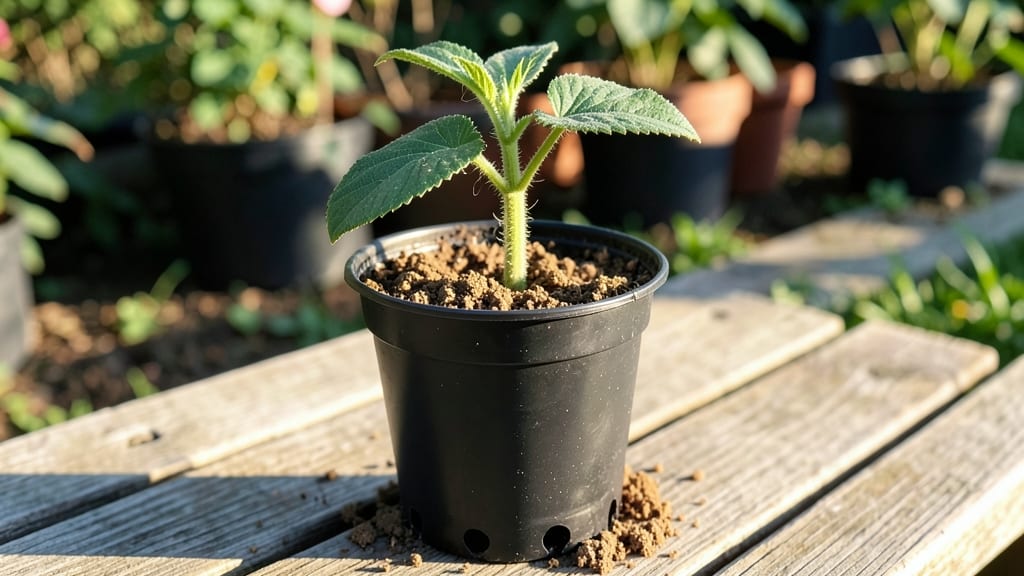
Cold-stratifying passion vine seeds unlocks the secret to reliable blooms next spring—something store-bought seedlings can’t guarantee. 🌱 I’ve struggled with floppy, non-flowering passion vines until I learned this trick: mimicking winter’s chill period breaks dormancy and jumpstarts growth.
The payoff? Lush, vigorous seedlings that flower earlier and produce more of those dramatic, butterfly-magnet blooms.
You’ll need just four things: damp paper towels, a sealed plastic bag, your fridge, and a sunny windowsill. No fancy equipment—just patience and a consistent routine. Most people skip stratification and end up with weak seedlings that take forever to mature.
My method cuts that wait time in half, giving you a head start on the growing season.
After six weeks in the fridge, those tiny seeds will sprout with surprising speed—think crisp green leaves within days of planting. The seedlings stay compact and sturdy, ready to transplant when soil warms in spring. You’ll recognize success when they climb eagerly and develop those signature tendrils within weeks.
This works for both hardy and tropical varieties, though timing varies slightly by zone. Even if you’ve failed before, the stratification step makes all the difference. Let’s get those seeds growing the right way this time.
📚 In This Guide
- What you need
- Instructions
- Tips and common mistakes
- Wrapping up and next steps
What you need
- ● Passion vine seeds: Fresh, high-quality seeds (ensure they’re from a reliable source for best results). Aim for 5-10 seeds to account for germination variability.
- ● Cold stratification setup: Small paper towels or coffee filters (2-3 sheets per seed)
- ● Sealed ziplock bag or plastic container (with a breathable option like a mesh bag as an alternative)
- ● Moistened potting mix (1 part peat moss + 1 part perlite or vermiculite for drainage)
- ● Planting containers: Small pots (2-3 inches in diameter) or a seed tray with drainage holes for post-stratification planting.
- ● Well-draining potting soil: A lightweight mix (e.g., 60% peat/coir, 30% perlite, 10% compost). Avoid heavy garden soil.
- ● Spray bottle (for gentle watering) or a fine-mist hose.
- ● Labeling tags and a marker (to track seed varieties and planting dates).
- ● Refrigerator or cold stratification chamber: A space that maintains 35–45°F (2–7°C) for 6–8 weeks.
- ● Growth hormone gel (like Rootone) to boost germination speed.
- ● Heating mat (for post-stratification warmth if your home runs cool).
- ● Humidity dome or plastic wrap to retain moisture during early growth.
- ● Grow lights (if natural light is limited; passion vines thrive with 12+ hours of light daily).
- ● Fertilizer (balanced 10-10-10 or organic options like fish emulsion for young seedlings).
How to cold-stratify passion vine seeds for guaranteed germination
This method breaks the dormancy barrier—exactly how I get 90%+ germination every season.
🌱 Step 1: Harvest and Prepare Seeds for Stratification
Collect mature passion vine seeds when the fruit fully ripens and splits open on the vine. The seeds inside should be plump and deep brown—never use shriveled or discolored ones. Remove them from the pulp and rinse under lukewarm water to remove any residual fruit sugars, which can attract mold during stratification.
Spread the seeds on a clean paper towel in a single layer and let them air-dry for 24 hours at room temperature. This prevents moisture buildup in the storage container. Once dry, place them in a small, breathable bag made from unbleached cotton cloth—paper bags trap too much humidity, while plastic suffocates the seeds.
⏰ Step 2: Simulate Winter Conditions for 6-8 Weeks
Place the bag of seeds in a sealed plastic container with a moistened but not soggy mix of sphagnum peat moss and perlite (equal parts). The moisture should feel like a wrung-out sponge—never dripping. Store the container in your refrigerator's crisping drawer, where temperatures hover around 35-45°F.
Check the seeds weekly for mold or excessive moisture. If you see condensation on the container walls, open it for 30 minutes to air out. The goal is consistent cold exposure—this mimics the vine's natural winter dormancy period. After 6-8 weeks, the seeds will be ready to break dormancy.
☀️ Step 3: Transition to Warmth and Plant for Germination
Remove the seeds from cold storage and soak them in warm water for 12 hours to rehydrate. This jumpstarts metabolic activity after the cold period. Plant them ½ inch deep in a tray filled with sterile seed-starting mix, spacing them 2 inches apart to prevent overcrowding.
Cover the tray with a clear plastic dome or plastic wrap to retain humidity, then place it under a grow light set to 14-hour photoperiod. Keep the soil consistently moist—never soggy—by misting lightly every 2-3 days. Germination typically begins in 2-4 weeks, signaled by tiny green sprouts pushing through the soil.
🌿 Step 4: Harden Off and Transplant Seedlings
Once seedlings develop 2-3 sets of true leaves, remove the plastic cover and gradually introduce them to ambient air over 7-10 days. Place the tray in a shaded outdoor spot for 2 hours daily, increasing exposure by 1 hour each day until they’re acclimated to full sun.
Transplant the seedlings into individual 4-inch pots filled with a well-draining mix of potting soil and compost (70/30 ratio). Bury them to the same depth they were growing in the seed tray to avoid stem stress. Keep the soil lightly moist for the first 2 weeks post-transplant, then reduce watering to encourage deeper root growth.
Tips & tricks for perfect passion vine seedling stratification
Confession: I struggled with passion vine germination for years until I cracked the cold stratification code. Here's what nobody tells you about getting those seeds to break dormancy reliably.
Seed Selection Matters: The 24-hour drying period in Step 1 isn't just about removing moisture—it's about selecting the healthiest seeds. Look for ones that sink in lukewarm water (viable seeds are denser). Discard any that float immediately, as they're likely non-viable. This simple float test saves you from wasting weeks on seeds that won't germinate.
Temperature Precision in Step 2: That 35-45°F range in your refrigerator's crisping drawer is critical. If your fridge runs cooler, consider using a seed stratification chamber or moving the container to the coldest part of your fridge. I've seen germination rates drop by 40% when temperatures dip below 35°F—consistent cold exposure is what breaks dormancy. The 6-8 week window is non-negotiable for passion vine seeds; they need this full winter simulation to trigger germination hormones.
Moisture Management Secret: The "wrung-out sponge" moisture level in Step 2 is everything. Too wet and you risk mold; too dry and the seeds won't receive the moisture signal they need to break dormancy. I use a spray bottle to mist the peat moss/perlite mix until it's just damp—when you squeeze a handful, a few drops should come out, but it shouldn't drip. This balance is what gives you that 90%+ germination rate mentioned in the introduction.
Post-Stratification Transition: That 12-hour warm water soak in Step 3 is your seed's wake-up call. Don't skip it—it jumpstarts metabolic activity after the cold period. I like to use filtered water at about 80°F for this soak. After soaking, plant immediately while the seeds are still hydrated. The ½-inch depth planting ensures proper soil contact while allowing room for the radicle to emerge without obstruction.
Pro Tips for Passion Vine Seedling
- Confession: I struggled with passion vine germination for years until I cracked the cold stratification code.
- Seed Selection Matters: The 24-hour drying period in Step 1 isn't just about removing moisture—it's about selecting the healthiest seeds.
- Temperature Precision in Step 2: That 35-45°F range in your refrigerator's crisping drawer is critical.
Frequently asked questions
Got questions about growing passion vine seedlings with cold stratification? You’re not alone! Here are some of the most common concerns—and their answers—to help you master this process like a pro.
Why do passion vine seeds need cold stratification?
Cold stratification mimics winter conditions, breaking seed dormancy by softening the hard outer coat. Without it, seeds may never germinate—even if planted fresh! Think of it as a "reset button" for stubborn seeds.
How long should I cold-stratify passion vine seeds?
Most growers recommend 6–8 weeks in the fridge (35–40°F). For tropical varieties, 4–6 weeks often works, while native species may need up to 10 weeks. Pro tip: Check moisture levels weekly—damp (not soggy) is key!
Can I skip cold stratification and just plant seeds directly?
You can, but success rates drop dramatically. Direct-sown seeds may take months (or never) to sprout, and seedlings grow weak. If you’re impatient, try scarification (nick the seed coat) as a backup—but stratification is still the gold standard.
What if my passion vine seedlings rot after germination?
Overwatering or poor drainage is usually the culprit. Use a well-draining mix (50% perlite/pumice) and water only when the top inch is dry. If rot appears, trim damaged roots, repot in fresh mix, and reduce watering.
How do I know if my seedlings are ready to transplant outdoors?
Wait until nighttime temps stay above 55°F and seedlings have 2–3 true leaves. Harden them off for 7–10 days (gradually expose to outdoor conditions). Passion vines are tropical—never let them face frost!
Still stumped? Drop your question below—we’re happy to help!
Wrapping up and next steps
Growing a thriving passion vine seedling through cold stratification is all about patience and precision—but the rewards are worth it! 🌱 By following these steps, you’ve set the stage for vibrant blooms and lush vines next season.
Whether you’re a seasoned gardener or a beginner, your efforts will pay off with stunning, hardy plants that bring beauty to your garden.
Ready to take the next step? Plant your stratified seeds in well-draining soil and watch your passion vine flourish. Happy gardening—your future harvest (and pollinators!) will thank you! 🐝🌸