Vegetables
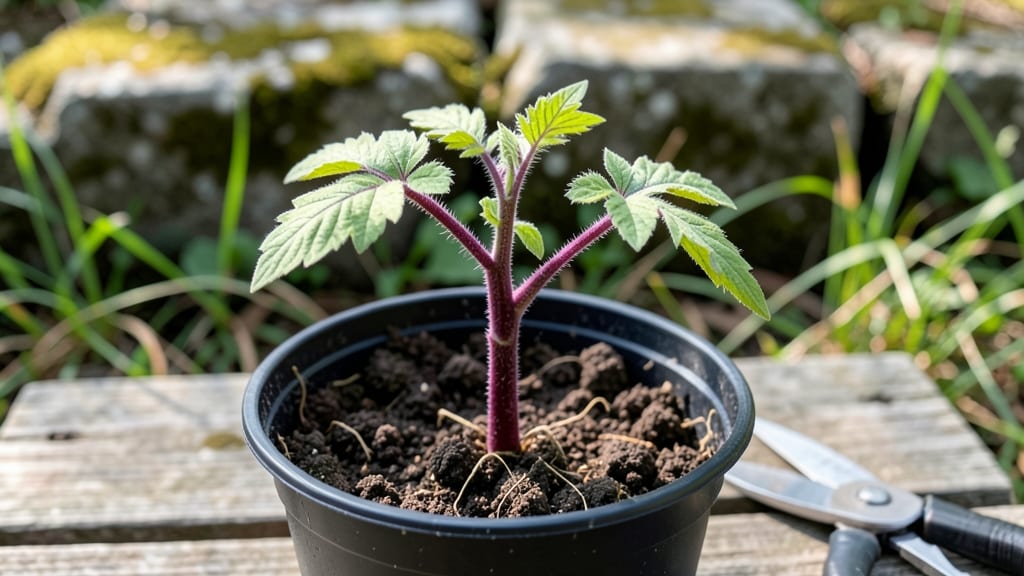
That purple blush on your tomato seedlings isn’t just a quirky color—it’s a cry for help from your plants. 🌱 I’ve seen it turn into stunted growth or even death if ignored, but there’s a simple fix most gardeners miss: cold stratification.
The trick isn’t just about fixing the problem; it’s about preventing it before your seedlings even sprout.
Cold stress, overwatering, or nutrient starvation all trigger that purple hue, but the solution starts with the right soil mix and timing. Too much phosphorus or potassium can cause it, but so can soggy roots or chilly nights.
I’ve learned to monitor seedlings closely—especially in early spring—because once the purple sets in, recovery takes patience and precise care.
With the right adjustments, you’ll see those stems turn green again within days. Proper drainage, balanced fertilizer, and a warm-but-not-hot environment work wonders. The payoff? Stronger plants that burst into blooms instead of struggling to survive. Let’s get those seedlings back on track.
This works for both indoor starts and outdoor beds, whether you’re dealing with heirlooms or hybrids. The key is acting fast—before the purple spreads. Here’s how to diagnose and fix it before your harvest season slips away.
Root Causes of Purple Seedlings
When your tomato seedlings start sporting an unexpected purple hue, it’s usually a sign that something in their environment or care routine needs adjustment.
While purple-tinged leaves can sometimes be a natural part of a tomato plant’s life cycle (especially in certain varieties like Black Krim or Purple Cherokee), persistent or unnatural purple discoloration often points to underlying issues.
Below, we break down the most common causes—from environmental stressors to nutritional deficiencies—and explain how to address them before your seedlings turn into stunted, underperforming plants.
Tomatoes are warm-weather plants, and extreme temperatures—whether too hot or too cold—can trigger anthocyanin production, the pigment responsible for that purple tint. Here’s how it happens:
- Cold Stress: If seedlings experience temperatures below 50°F (10°C) for extended periods, especially after germination, they may develop purple stems and leaves as a protective response. This is common in early spring or when seedlings are placed near drafty windows or unheated greenhouses.
- Heat Stress: While less common, seedlings exposed to consistent temperatures above 90°F (32°C) (e.g., on a sunny windowsill without proper airflow) can also turn purple due to oxidative stress. The plant essentially "sunscreens" itself to prevent damage.
Actionable Fix:
- Keep seedlings in a consistent 65–75°F (18–24°C) range using a heat mat (for cold snaps) or move them to a shadier spot (for heat stress).
- Use a thermometer to monitor soil and air temperatures—fluctuations wider than 10°F (5°C) can trigger purple discoloration.
- Hardening off seedlings gradually (exposing them to outdoor conditions over 7–10 days) helps them adapt to temperature swings before transplanting.
Purple seedlings can also signal a nutritional red flag, particularly when it comes to nitrogen and phosphorus. Here’s the breakdown:
| Symptom | Likely Cause | How to Fix |
|---|---|---|
| Purple stems and veins (leaves stay green) | Phosphorus deficiency or poor root development (common in compacted or cold soil). | Add a balanced fertilizer (e.g., 10-10-10) or bone meal (high in phosphorus) to the soil. Avoid over-fertilizing—too much can burn roots. |
| Purple leaves (especially older ones) + yellowing | Nitrogen deficiency (plant can’t produce enough chlorophyll). | Use a nitrogen-rich amendment like compost, fish emulsion, or a low-dose (half-strength) liquid fertilizer. Test soil pH—if it’s below 6.0, nitrogen becomes unavailable. |
| Purple edges of leaves + stunted growth | Potassium or magnesium deficiency (often linked to overwatering or poor drainage). | Apply Epsom salt (magnesium sulfate) or a potassium-rich fertilizer (like greensand). Flush soil with water to prevent salt buildup. |
Pro Tip: 💡 If you’re using synthetic fertilizers, dilute them to half-strength for seedlings—they’re sensitive to salt buildup, which can worsen nutrient uptake issues.
Water plays a critical role in nutrient absorption, and imbalances can directly cause purple seedlings. Here’s why:
- Overwatering: Soggy soil cuts off oxygen to roots, preventing them from absorbing phosphorus and other nutrients. The plant responds by producing anthocyanins as a stress signal.
- Underwatering: While less likely to cause purple, cyclic drought stress (alternating between dry and wet) can also trigger pigment changes.
- Poor Drainage: If seedlings sit in waterlogged soil (e.g., in a pot without drainage holes), roots suffocate, leading to nutrient deficiencies and purple stems.
Actionable Fix:
- Use well-draining soil mixes (e.g., 60% potting soil + 30% perlite + 10% compost). Avoid garden soil—it compacts easily.
- Water only when the top inch of soil is dry. Stick your finger in the soil to check; seedlings prefer consistent moisture, not sogginess.
- Ensure pots have drainage holes and use saucers to catch excess water (empty them after 10 minutes).
- Mulch with straw or coconut coir to retain moisture without suffocating roots.
Tomato seedlings are light-hungry, and inadequate or inconsistent light can lead to etiolation (stretched, weak stems) and purple discoloration. Here’s the science:
- Low Light: Seedlings stretch toward light sources (a process called phototropism), but without enough blue light (12–16 hours/day), they produce less chlorophyll and more anthocyanins to "shield" themselves.
- Uneven Light: If one side of the seedling gets more light (e.g., leaning toward a window), the shaded side may turn purple due to asymmetrical growth stress.
Actionable Fix:
- Provide 14–16 hours of light daily using a grow light (LED or fluorescent). Place it 2–3 inches above seedlings and adjust as they grow.
- Rotate trays quarter-turn daily to prevent leaning and ensure even light exposure.
- If using natural light, place seedlings on a south-facing windowsill (or west-facing in the Northern Hemisphere). Avoid north-facing windows—light is too weak.
Pro Tip: ✨ For fast-growing seedlings, supplement natural light with a timer-controlled grow light (even on cloudy days) to prevent leggy, purple stems.
By addressing these root causes—temperature, nutrition, water, and light—you’ll help your tomato seedlings transition from purple stress signals to vibrant, healthy green in no time. The key is consistency: tomatoes thrive on routine, so monitor their environment closely as they grow!
Fixing Purple Seedlings Naturally
If your tomato seedlings are sporting an unexpected purple hue, don’t panic—this is often a sign of stress or nutrient imbalance, and the good news is that most fixes are simple and effective.
Below, we’ve mapped out targeted solutions based on the most common causes, along with proactive tips to keep your seedlings thriving. Think of this as your troubleshooting guide to restore those lush green stems and leaves.
If your seedlings turned purple after cold stratification, they might be struggling with excessive cold exposure or improper thawing. Purple stems in this case often signal cold damage or nutrient lockout due to slowed metabolism.
#### How to Fix It: 1. 🔥 Gradually Warm Them Up - Move seedlings to a warm, bright location (65–75°F) away from drafts or heating vents. Avoid direct sunlight at first to prevent shock. - Use a seedling heat mat (set to 70–75°F) if your home runs cool at night. 2. 💧 Hydrate with Warm Water - Water the soil with lukewarm water to stimulate root activity. Purple stems often indicate water stress, so keep the soil moist but not soggy. 3. 🌿 Fertilize Gently - Apply a balanced, water-soluble fertilizer (like 5-5-5) at half-strength to replenish nutrients. Avoid high-nitrogen fertilizers—too much can worsen the issue. #### 💡 Prevention Tips: - ⏱️ Time Your Cold Treatment: Most tomatoes need 2–4 weeks of cold stratification (40–50°F). Don’t exceed this unless your variety requires it. - 🌡️ Monitor Temperature: Use a thermometer to track soil temps during stratification. Avoid fluctuations below 35°F. - 🌱 Slow Thaw: If storing in the fridge, let seedlings acclimate for 12–24 hours at room temp before transplanting.Purple tinges can also mean your seedlings are starving for key nutrients, particularly phosphorus (for root growth) or magnesium (for chlorophyll production). This is common in fast-growing seedlings or poor-quality soil.
#### How to Fix It: 1. 🍳 Boost Phosphorus - Mix bone meal (1 tbsp per gallon of soil) into the top inch of soil. Bone meal releases phosphorus slowly, helping roots recover. - Alternatively, use a phosphorus-rich fertilizer like 10-20-10 at half strength. 2. 🌿 Correct Magnesium Deficiency - Sprinkle Epsom salt (magnesium sulfate) around the base of seedlings (1 tsp per gallon of water). Water thoroughly to avoid salt buildup. - Repeat every 2–3 weeks if purple persists. 3. 🥗 Improve Soil Health - Amend the soil with compost or worm castings to restore microbial activity and nutrient availability. - Avoid over-fertilizing—more isn’t better with seedlings! #### 💡 Prevention Tips: - 📊 Test Your Soil: Use a DIY soil test kit to check pH and nutrient levels before planting. Tomatoes prefer pH 6.0–6.8. - 🌱 Start with Nutrient-Rich Soil: Mix in well-rotted manure or compost when sowing seeds to prevent deficiencies. - 🎯 Fertilize in Stages: Feed seedlings lightly every 2 weeks rather than dumping nutrients all at once.Extreme temperatures—whether scorching heat or freezing cold—can cause purple discoloration by disrupting metabolism. Seedlings are particularly vulnerable during their first few weeks.
#### How to Fix It: 1. 👨🍳 Adjust Growing Conditions - For heat stress: Move seedlings to a shadier spot or use a cloche or row cover to shield them from direct sun. - For cold stress: Use a mini greenhouse or plastic dome to trap heat, especially at night. 2. 💦 Increase Humidity (If Needed) - Place a humidity tray (a tray of water with pebbles) under the seedlings to raise moisture levels. Purple stems can indicate transpirational stress. 3. ⏰ Acclimate Gradually - If hardening off seedlings, do it slowly over 7–10 days. Start with 1–2 hours of outdoor exposure and increase daily. #### 💡 Prevention Tips: - 🌡️ Ideal Temps: Keep seedlings between 60–80°F during the day and 55–65°F at night. - 🌱 Avoid Sudden Changes: Never move seedlings from indoor warmth to freezing outdoor temps without acclimating first. - 🌿 Monitor Microclimates: Check under leaves for condensation or heat buildup, which can stress seedlings.While less common, purple patches or mold can indicate fungal infections (like damping-off) or bacterial wilt, especially in overcrowded or overly wet conditions.
#### How to Fix It: 1. 🔪 Remove Affected Seedlings - Snip off purple or mushy stems with sterilized scissors. Discard severely infected seedlings to prevent spread. 2. 🍳 Apply Fungicide - Spray with a copper-based fungicide or neem oil solution (1 tbsp neem oil + 1 tsp mild soap per quart of water). - Reapply every 5–7 days if humidity is high. 3. 🌿 Improve Airflow - Thin seedlings so they’re 2–3 inches apart to reduce humidity around leaves. - Use a small fan on low setting to circulate air (this also strengthens stems!). #### 💡 Prevention Tips: - 🌡️ Avoid Overwatering: Let the top ½ inch of soil dry between waterings. - ✨ Sterilize Tools: Clean scissors and trays with rubbing alcohol to prevent pathogen transfer. - 🌱 Use Sterile Soil: Opt for pasteurized or seed-starting mix to reduce fungal spores.With these fixes, your tomato seedlings should bounce back to their healthy green selves within 1–2 weeks. Remember, prevention is key—consistent care and gradual adjustments will set your plants up for a bountiful, purple-free harvest! 🍅✨
Frequently asked questions
Why are my tomato seedlings turning purple?
Purple stems or leaves usually signal stress from cold temperatures (below 50°F), nutrient deficiencies (like phosphorus or magnesium), or water issues (over/under-watering). Some heirloom varieties like Purple Cherokee may naturally develop purple hues, but persistent purple in others indicates a problem.
Can I fix purple seedlings, or should I start over?
You can often revive them! Adjust temperatures to 65–75°F, improve drainage, and fertilize lightly with a balanced 5-5-5 mix. If roots are mushy or mold appears, discard affected seedlings to prevent spread. Most recover within 1–2 weeks with proper care.
Is Epsom salt safe for tomato seedlings with purple leaves?
Yes, but use it sparingly. Dissolve 1 teaspoon of Epsom salt in 1 gallon of water and apply every 2–3 weeks to correct magnesium deficiencies. Avoid overuse—excess salt can damage delicate seedlings. Test soil pH first (ideal: 6.0–6.8) to ensure proper nutrient uptake.
How do I prevent purple seedlings in the future?
Start with well-draining soil (60% potting mix + 30% perlite), maintain consistent moisture (water when top inch is dry), and provide 14–16 hours of light daily. Use a heat mat for cold snaps and avoid overcrowding. Harden off seedlings gradually before transplanting.
Are purple tomato seedlings still edible if they recover?
Once the purple fades and seedlings turn green, they’re perfectly safe to grow and eat. The pigment is harmless—it’s just a stress response. Focus on restoring health, and you’ll get normal-tasting tomatoes. The recovery process actually strengthens plants!