Pruning
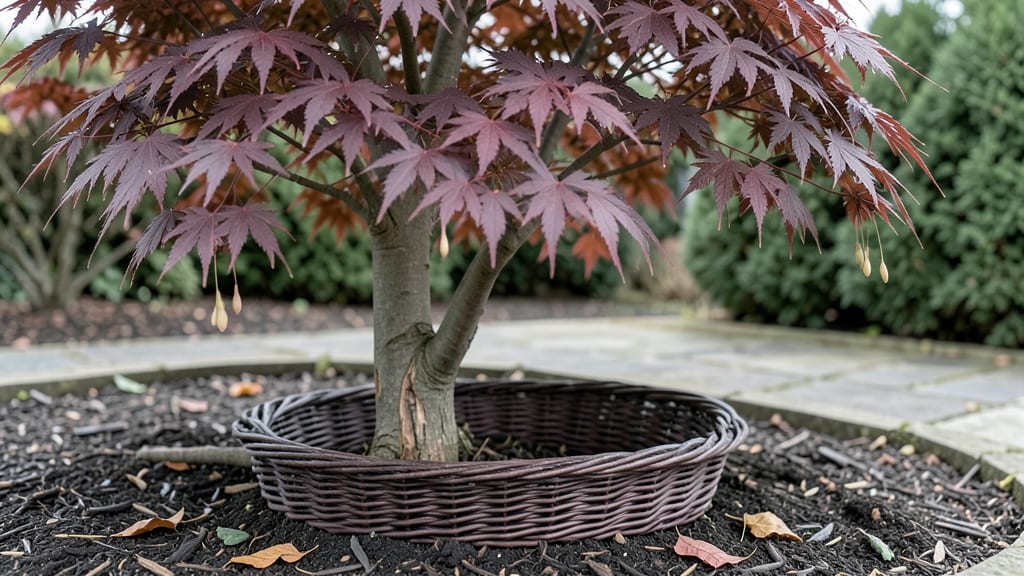
Growing a tree from Japanese red maple tree seeds lets you nurture a future privacy screen that outshines anything you’d buy at a nursery—though the process starts with patience, as these seeds need cold stratification to break dormancy before they sprout. on your way to a tree with fiery fall foliage and graceful branches that block wind and eyes all year.
You'll need a few simple supplies: a well-draining potting mix, small seed-starting pots, and a way to simulate winter (like a refrigerator or cold frame). Most gardeners overlook the stratification step, which is why store-bought seedlings often struggle—your homegrown tree will have stronger roots from the start.
The first seedlings might appear in 4-8 weeks, but don't rush them; slow growth means deeper roots.
By year two, your seedling will be ready for transplanting into the ground, where it'll grow 1-2 feet annually under ideal conditions.
Imagine the crimson leaves in autumn or the delicate spring flowers—this tree transforms from a tiny seed to a living privacy barrier that outlasts anything from a big-box store. The key is consistency: water when the top inch of soil dries, and protect young trees from harsh winds.
Works best in zones 5-8, though mature trees handle some cold. For faster results, you can layer seeds in fall, but the cold stratification method gives you more control over timing. Either way, you're planting a legacy—these trees live for centuries when cared for properly. Let's get those seeds sprouting!
📚 In This Guide
- What you need
- Instructions
- Tips and common mistakes
- Wrapping up and next steps
What you need
- ● Japanese Red Maple seeds – 10–20 seeds (fresh or cold-stratified for best germination rates).
- ● Seed-starting mix – 2–3 quarts of high-quality, well-draining potting soil (look for a mix labeled for seedlings or seed-starting).
- ● Small seed trays or pots – 6–12 individual cells or 4–6 small pots (3–4 inches deep) with drainage holes.
- ● Plastic wrap or humidity dome – To maintain moisture while seeds germinate.
- ● Spray bottle – For gentle watering to avoid disturbing seeds.
- ● Grow lights or sunny windowsill – A south-facing window or LED grow lights (12–16 hours/day) for optimal light.
- ○ Heat mat (optional but helpful) – 70–75°F range to speed up germination (especially in cooler climates).
- ● Fertilizer (balanced, water-soluble) – Diluted to half-strength once seedlings sprout 2–3 true leaves.
- ● Cold stratification setup – Refrigerator or cold frame (if seeds aren’t pre-stratified).
- ● Humidity tray – A shallow tray with pebbles and water to boost moisture levels.
- ● Pruning shears or scissors – For trimming leggy seedlings later.
- ● pH test kit – To ensure soil pH is slightly acidic (5.5–6.5) for optimal growth.
- ● Label markers – To track planting dates and varieties.
Step-by-step instructions for growing Japanese red maple tree seeds
Here's how to nurture these delicate seedlings into a stunning privacy screen over time.
Collect and Prepare the Seeds
Japanese red maple seeds ripen in fall, so gather them from healthy trees in late autumn. Look for winged samaras that have fallen naturally—they should be fully brown and dry to the touch. Store them in a paper bag in a cool, dry place until spring planting. I like to soak the seeds for 24 hours in lukewarm water before planting to soften the outer shell and encourage faster germination.
This step is crucial because fresh seeds germinate best. If you can't collect seeds yourself, purchase them from a reputable supplier and follow the same soaking process. Avoid using seeds that feel damp or show signs of mold—these won't sprout successfully.
Start Seeds Indoors in a Controlled Environment
Fill a 4-inch deep seed tray with the 2 gallons of seed-starting mix you've prepared, keeping it loose and well-draining. Plant the seeds ¼ inch deep, spacing them 1 inch apart to allow room for early root development. Cover the tray with plastic wrap to maintain humidity, which is critical for germination. Place the tray in a warm spot, ideally between 65-75°F, where seeds can germinate within 4-6 weeks.
Keep the soil consistently moist but never soggy—water gently from the bottom to avoid disturbing the seeds. Once the seedlings develop their first true leaves, remove the plastic wrap immediately to prevent fungal growth. This transition is delicate, so monitor daily for any signs of mold or damping-off.
Transplant Seedlings to Individual Pots
When seedlings reach 3-4 inches tall and have developed 4-5 leaves, it's time to move them into 4-inch pots filled with the 4 gallons of potting mix. Handle the seedlings carefully by their leaves, not the stems, to avoid damage. Plant each seedling at the same depth it was growing in the tray, firming the soil gently around the base to eliminate air pockets. Water thoroughly after transplanting to help the roots establish.
Place the pots in a location with bright, indirect light for the first week to reduce transplant shock. Gradually introduce them to morning sun over the next two weeks, as Japanese red maples thrive in full sun once established. This slow acclimation prevents leaf scorch and ensures strong growth.
Acclimate and Plant Outdoors
Before moving seedlings outdoors permanently, harden them off by placing them in a sheltered spot for 1-2 hours the first day, increasing exposure by 1 hour daily over 10-14 days. Choose a site with partial shade to full sun and well-draining soil. Dig holes twice as wide as the root balls but no deeper, then space the seedlings 15-20 feet apart to allow for mature growth.
Water deeply after planting to settle the soil and encourage root expansion. Mulch around the base with 2 inches of organic mulch to retain moisture and suppress weeds. Japanese red maples are slow-growing, so give them time—you'll see significant growth in 3-5 years, but their vibrant foliage will reward your patience.
Maintain and Care for Mature Trees
Once established, Japanese red maples need moderate watering—water deeply once a week during dry spells, ensuring the soil stays moist but not waterlogged. Fertilize lightly in early spring with a balanced, slow-release fertilizer to support steady growth. Prune in late winter or early spring to remove dead or crossing branches, shaping the tree as desired.
These trees are prized for their year-round interest, with stunning fall colors and graceful bark in winter. With proper care, your seedlings will grow into a beautiful, low-maintenance privacy screen that enhances your landscape for decades.
Tips & tricks for growing Japanese red maple tree seeds
The secret to growing these stunning trees from delicate seedlings lies in patience and precision. Here are the key insights I've learned from nurturing my own Japanese red maples.
Germination Timing: Don't rush the 24-hour soaking period—this is when the seed coats soften properly to allow water penetration. I've found that using lukewarm water (around 75°F) works best, as it mimics natural spring conditions. If your kitchen is cooler, you might need to extend the soaking by 4-6 hours to achieve the same results without over-soaking.
Humidity Control: The plastic wrap in Step 2 creates a mini greenhouse effect that's critical for germination. I recommend using clear plastic wrap so you can easily monitor moisture levels without disturbing the seeds. If condensation forms on the inside, that's perfect—just make sure to remove the wrap immediately when the first true leaves appear to prevent fungal growth. This transition is where most seedlings fail, so watch closely.
Light Management: Japanese red maples are shade-tolerant but thrive with proper light exposure. During the first week after transplanting to pots, I place my seedlings under grow lights set to 12 hours of bright, indirect light per day. This mimics natural conditions while preventing leaf scorch. After two weeks, I gradually increase exposure to morning sun—starting with just 1-2 hours per day and building up slowly.
Transplanting Technique: When moving seedlings to individual pots, I always use a small spoon or chopstick to gently loosen the soil around the roots before lifting. This minimizes root damage and helps establish a strong root system in the new pot. The key is to maintain the same planting depth as in the seed tray—any deeper and you risk suffocating the stem, any shallower and the roots won't anchor properly.
Pro Tips for Japanese Red Maple Tree Seeds
- The secret to growing these stunning trees from delicate seedlings lies in patience and precision.
- Germination Timing: Don't rush the 24-hour soaking period—this is when the seed coats soften properly to allow water penetration.
- Humidity Control: The plastic wrap in Step 2 creates a mini greenhouse effect that's critical for germination.
Frequently asked questions
Got questions about growing a stunning Japanese Red Maple from seed? You’re in the right place! Here are answers to the most common queries—because even the best privacy screens start with a tiny seed.
How long does it take for Japanese Red Maple seeds to germinate?
Germination can take anywhere from 2 to 6 months, depending on temperature and moisture. Cold stratification (mimicking winter) for 30–90 days in the fridge speeds it up. Patience is key—these seeds love their time!
Can I grow a Japanese Red Maple from store-bought seeds, or do I need a special graft?
Store-bought seeds will grow, but they may not match the vibrant red foliage of mature cultivars. For guaranteed color, opt for grafted saplings. Seeds are great for experimentation or budget-friendly starts—just set expectations low on instant drama!
When is the best time to plant Japanese Red Maple seeds outdoors?
Plant seeds in early fall (September–October) for natural cold stratification or late winter (February–March) after chilling. Avoid summer—heat dries them out. A shaded, moist spot works best until sprouts appear!
Why aren’t my Japanese Red Maple seeds sprouting? Troubleshooting tips!
Check these fixes:
- Lack of moisture: Keep soil damp (not soggy) during germination.
- No cold treatment: Try 60 days in the fridge before replanting.
- Old seeds: Freshness drops after 1–2 years—source new ones!
- Poor drainage: Use a mix of peat and perlite to avoid rot.
What’s a fast-growing alternative if I want privacy sooner?
If you’re impatient, try Leyland Cypress or Green Giant Arborvitae—they grow 3–5 ft/year! For maple vibes with speed, Norway Maple seeds germinate faster (but lacks the red hue). Balance growth goals with your yard’s sunlight needs.
Wrapping up and next steps
Growing a Japanese Red Maple from seed is a rewarding journey that transforms your backyard into a stunning, year-round privacy screen.
While patience is key—especially with germination timelines and early care—your efforts will yield a breathtaking tree with vibrant foliage and seasonal charm. Ready to take the next step? Start by ordering high-quality seeds from a trusted supplier, then sketch a planting plan for your space.
Whether you’re a seasoned gardener or a beginner, this project is well within reach with the right tools and mindset!
🌱 Pro Tip: Share your progress with fellow plant enthusiasts—community support makes the process even more enjoyable!