
Flowers
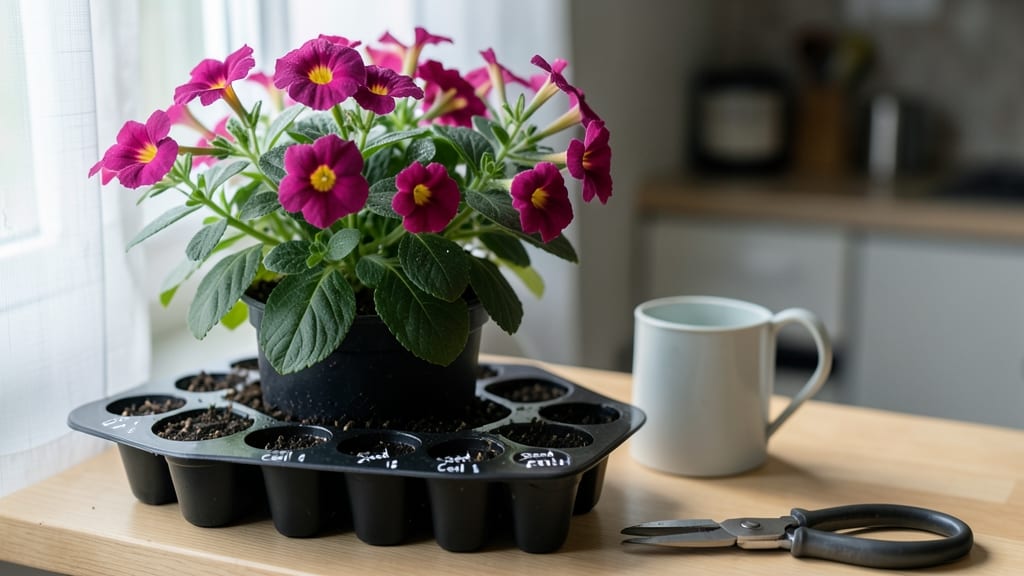
Skip the wait—those impatient flower seeds burst into vibrant impatiens blooms in just 60 days, making them the fastest way to brighten shady spots. 🌸 I’ve watched these delicate flowers transform from tiny seedlings to lush, blossoming plants in under two months, and... the secret isn’t complicated.
The key is keeping them warm, moist, and protected from harsh light until they’re strong enough to handle the outdoors.
You’ll need a sunny windowsill or grow light, seed-starting mix, and patience for the first few weeks. Impatiens hate cold soil, so wait until after your last frost date to transplant them outside—usually late spring or early summer.
The payoff? A cascade of flowers that lasts all season with minimal care.
These flowers thrive in partial shade, making them perfect for under trees or along north-facing walls. Just avoid overwatering—their leaves turn yellow when soggy, and they wilt faster than you’d expect. With the right timing and a little attention, you’ll have a nonstop bloom show from early summer until frost.
Even beginners succeed with impatiens because they’re forgiving once established. The trick is starting them indoors early enough to beat the heat. Let’s get those seeds sprouting—your shady garden spots won’t know what hit them.
📚 In This Guide
- What you need
- Instructions
- Tips and common mistakes
- Wrapping up and next steps
What you need
- ● Impatient flower seeds: 1 packet (contains ~100 seeds; adjust quantity for desired coverage). Choose fast-growing varieties like Super Elfin or Diamond for quick results.
- ● Seed-starting mix: 1–2 bags (5–10 quarts). Use a lightweight, sterile potting mix with good drainage (e.g., Miracle-Gro Seed Starting Potting Mix).
- ● Containers: Seed trays or cell packs: 1 tray (50+ cells) or 10–20 small pots (3–4 inches deep).
- ○ Grow lights (optional but helpful): 1–2 LED grow bulbs (6000K–6500K color temp) or a full-spectrum grow light for indoor starts.
- ● Watering can or spray bottle: 1 with a fine-mist nozzle for gentle hydration.
- ● Plastic wrap or humidity dome: 1 sheet (for covering trays to retain moisture).
- ● Fertilizer (balanced): 1 bottle (5–10–5 or 10–10–10 NPK ratio). Dilute to half-strength for seedlings.
- ● Transplant pots (if direct sowing isn’t an option): 4–6 inch pots for hardening off seedlings.
- ● Heat mat: 1 small mat (70–75°F range) to speed up germination.
- ● Soil thermometer: 1 to monitor seedbed temperature (ideal: 65–75°F).
- ● Epsom salt: 1 small box (for magnesium boost if leaves look pale).
- ● Decorative pots or garden beds: For transplanting after seedlings are sturdy.
- ● Mulch: Shredded bark or straw to retain moisture in outdoor beds.
Step-by-Step instructions for growing impatient flowers
Here's how to coax vibrant blooms from impatient seeds in just 60 days.
🌱 Step 1: Prepare Containers and Seed Starting Mix
Fill 4-inch diameter pots with a lightweight seed-starting mix (never garden soil—it's too dense). I press the mix down gently to remove air pockets but leave it loose enough for tender roots to push through. The goal is a surface that's firm enough to hold seeds in place but still crumbly when squeezed.
Moisten the mix until it feels like a damp sponge—no puddles, just even moisture throughout. I like to water from below by placing the pots in a shallow tray of water for 10 minutes, then letting excess drain completely. This prevents washing away the tiny seeds when you plant them.
🌱 Step 2: Sow Seeds Shallowly and Keep Warm
Sprinkle 2-3 seeds per pot on the soil surface since impatiens seeds need light to germinate. Press them gently with your finger—just enough to make contact with the soil. Covering them with soil will delay or prevent germination entirely.
Place the pots in a clear plastic bag or under a humidity dome to trap warmth and moisture. Impatiens germinate best at 70-75°F. I set mine on top of the refrigerator (not inside) where it stays consistently warm. Expect sprouts in 10-14 days—don't be tempted to water until you see tiny green leaves breaking through.
☀️ Step 3: Provide Bright, Indirect Light Immediately
The instant you see seedlings, remove any covering and move them to bright, indirect light. A south-facing window works, but direct midday sun can scorch tender leaves. I position my seedlings about 12 inches from the glass and rotate the pots daily so they grow straight instead of leaning.
Watch for leggy growth—thin, pale stems with leaves spaced far apart. This happens when light is too weak. If you notice this, move the seedlings closer to the light source or supplement with a grow light kept 4 inches above the plants for 12-14 hours daily.
💧 Step 4: Water Consistently and Fertilize Lightly
Keep the soil evenly moist but never soggy—impatiens roots rot easily in waterlogged conditions. I water when the top ½ inch of soil feels dry to the touch, using room-temperature water to avoid shocking the roots. Water from below by placing pots in a tray of water for 15 minutes, then letting them drain completely.
When seedlings develop their second set of true leaves (about 3-4 weeks after germination), feed them with a diluted liquid fertilizer (half-strength) to encourage strong growth. I use a balanced 10-10-10 formula every 2 weeks thereafter, always watering first to prevent root burn.
⏰ Step 5: Harden Off and Transplant for Blooms
Two weeks before your last frost date, begin hardening off seedlings by placing them outside in a sheltered spot for 1-2 hours daily. Gradually increase their outdoor time over 7-10 days, protecting them from direct wind and harsh afternoon sun. You'll know they're ready when they tolerate a full day outside without wilting.
Transplant to the garden after all danger of frost has passed, spacing plants 8-10 inches apart in partial shade. Impatiens thrive in morning sun and afternoon shade, especially in hot climates. Water deeply after transplanting to settle the roots, then maintain consistent moisture for 60 days of continuous blooms.
Tips & tricks for perfect impatient flower growth
Real talk: Growing impatient flowers from seeds isn't rocket science, but these small tweaks make all the difference between sad seedlings and show-stopping blooms.
Soil Surface Secret: In Step 1, when pressing down your seed-starting mix, aim for a surface that's firm enough to hold seeds in place but still crumbly when squeezed—think of it like packing snow for a snowball, not like tamping down concrete. This balance is crucial because impatiens seeds need light to germinate, and too much pressure could bury them too deep.
Warmth Hack: For Step 2, if your kitchen doesn't stay consistently at 70-75°F, try placing your pots on top of a refrigerator or next to a sunny window with a clear plastic bag draped over them. I've even used a heating mat set to low (around 75°F) for faster germination. The key is maintaining warmth—these seeds are tropical and won't sprout in cool conditions.
Lighting Strategy: When you notice leggy seedlings in Step 3, it's a sign they're stretching toward light. Move them within 6 inches of the light source (closer than the original 12 inches) or supplement with a grow light kept just 2-3 inches above the plants for 12-14 hours daily. The closer the light, the stronger the stems will grow without becoming leggy.
Fertilizer Timing: In Step 4, when you apply that diluted liquid fertilizer, always water first to prevent root burn. I've made this mistake twice—adding fertilizer to dry soil can actually damage the tender roots. Think of it like diluting coffee: you wouldn't pour concentrated coffee on dry grounds, right?
Pro Tips for Impatient Flower Seeds
- Real talk: Growing impatient flowers from seeds isn't rocket science, but these small tweaks make all the difference between sad seedlings and show-stopping blooms.
- This balance is crucial because impatiens seeds need light to germinate, and too much pressure could bury them too deep.
- Warmth Hack: For Step 2, if your kitchen doesn't stay consistently at 70-75°F, try placing your pots on top of a refrigerator or next to a sunny window with a clear plastic bag draped over them.
Frequently asked questions
Got questions about growing impatient flower seeds? You’re not alone—these speedy bloomers are exciting but come with a few quirks! Here’s what gardeners ask most often, plus quick answers to get you growing with confidence.
How fast do impatient flowers actually bloom?
Impatiens (like Impatiens walleriana) are famous for their speed! With the right conditions, you’ll see colorful blooms in just 6–8 weeks from seed. For even faster results, start seeds indoors 4–6 weeks before your last frost date. Pro tip: Use a heat mat to speed up germination!
Can I plant impatient seeds directly outside, or should I start them indoors?
You can direct-sow seeds outdoors after the soil warms to at least 60°F (15°C), but starting indoors gives you a 2-week head start on blooms. If you skip indoor starts, plant seeds shallowly (just ¼ inch deep) and keep soil moist—they need light to germinate!
What if my impatient seeds don’t sprout?
Don’t panic! Common culprits are cold soil, dry conditions, or old seeds. Try these fixes:
- Use a seedling heat mat (70–75°F is ideal).
- Mist soil daily to keep it consistently damp (not soggy).
- Check seed viability—if seeds are over 1 year old, germination drops sharply.
Are impatient flowers annuals or perennials?
Impatiens are tender annuals in most climates—they thrive as summer stars but won’t survive frost. In USDA Zones 10–11, they may act like perennials, but even then, they’re often grown as annuals for their non-stop blooms. Pro tip: Save seeds? Don’t bother! They rarely grow true to type.
Why are my impatient plants wilting or drooping?
Wilting is usually a watering or pest issue. Check these first:
- Overwatering: Impatiens hate soggy roots—let the top inch of soil dry between waterings.
- Underwatering: Droopy leaves? Water deeply until it drains from the bottom.
- Pests: Look for aphids or spider mites on undersides of leaves. Spray with neem oil if needed.
Can I grow impatient flowers in containers?
Impatiens thrive in pots—just use a container at least 6–8 inches deep with drainage holes. Choose a well-draining potting mix and fertilize every 2–3 weeks with a balanced liquid fertilizer. Bonus: They’re perfect for hanging baskets or window boxes!
Wrapping up and next steps
Growing impatient flower seeds is a rewarding way to add vibrant color to your garden in just 60 days—no green thumb required! These cheerful blooms thrive with minimal effort, making them perfect for beginners or busy gardeners.
Whether you're brightening up a patio, balcony, or windowsill, impatiens deliver fast, fuss-free beauty that’s hard to beat.
Ready to dive in? Start by gathering your seeds and supplies—then grab a sunny spot and let nature do the rest! 🌸 With a little patience (and a sprinkle of care), you’ll soon be surrounded by lush, blooming wonders. Happy planting!