
Propagation
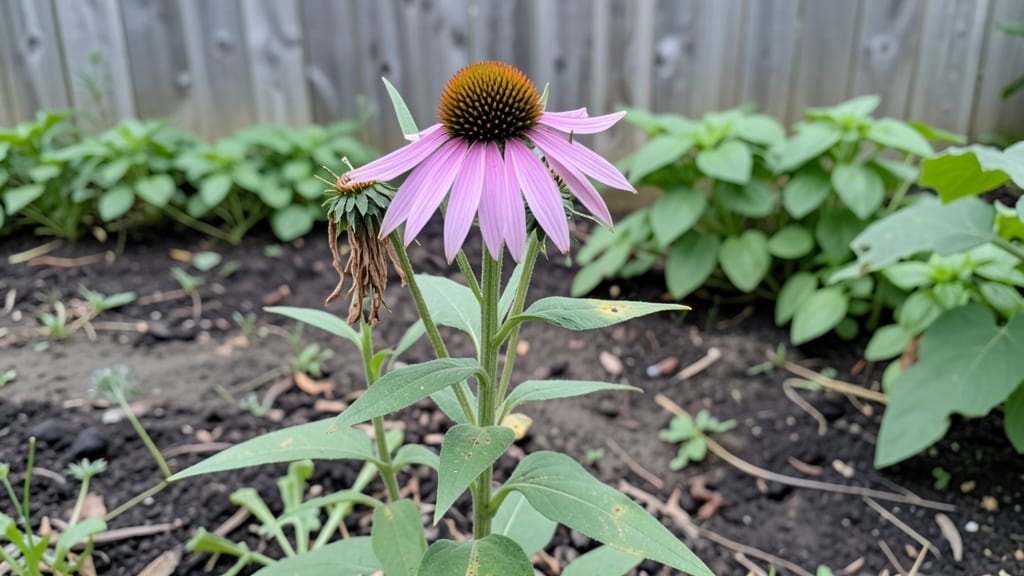
Growing echinacea from seed demands a little patience—but the payoff is worth every day spent waiting for those bursting buds next spring. 🌱 I’ve watched tiny seeds transform into towering, drought-resistant blooms, and the secret lies in mimicking their natural conditions: cold stratification followed by consistent moisture.
Most gardeners give up after a month of nothing, but with the right timing and care, you’ll have seedlings ready for transplant by late spring.
The trick starts with chilling your seeds for 4-6 weeks in the fridge, then moving them to a warm, moist environment where they’ll finally sprout. You’ll need a shallow tray, seed-starting mix, and a spray bottle to keep everything damp without drowning the seeds.
Unlike transplants, seeds take their time—sometimes up to 30 days—but once they break through, they grow fast. I’ve seen my first true leaves appear within two weeks of germination, and that’s when the real magic begins.
By summer, you’ll be pinching back leggy seedlings to encourage bushier growth, and by next spring, those plants will reward you with vibrant purple or pink blooms that hummingbirds can’t resist.
The key is keeping the soil moist but not soggy—echinacea hates wet feet—and giving them full sun once they’re big enough to handle it. It’s a long game, but one that pays off in years of low-maintenance beauty and pollinator-friendly flowers.
Works just as well in containers as in garden beds, and the same method applies whether you’re growing the classic purple ‘Magnus’ or the striking white ‘White Swan.’ Stick with it, and you’ll have echinacea that outperforms any nursery transplant. Here’s exactly how to make it happen—step by step.
📚 In This Guide
- What you need
- Instructions
- Tips and common mistakes
- Wrapping up and next steps
What you need
- ● Echinacea seeds: Choose heirloom or organic seeds (e.g., Echinacea purpurea or Echinacea pallida). Buy 1-2 packets (50-100 seeds) for a small garden or 5+ packets for larger plantings.
- ● Seed-starting mix: Use a lightweight, sterile potting mix (avoid garden soil). A 10-quart bag (or equivalent) is ideal for most seed-starting trays.
- ● Seed-starting trays or containers: Cell trays (72-200 cells) or biodegradable pots (3-4 inches deep).
- ● Plastic or wooden seed-starting boxes (10x20 inches) with drainage holes.
- ○ Growing medium (optional but helpful): Vermiculite or perlite (1-2 cups) to improve drainage and moisture retention.
- ○ Coconut coir (optional, for moisture control).
- ● Misting bottle or spray nozzle for gentle watering.
- ● Plastic wrap or humidity dome to retain moisture during germination.
- ● Grow lights or sunny windowsill: A full-spectrum LED grow light (12-16 hours/day) or a south-facing window with indirect light.
- ○ Heat mat (optional but recommended): A seedling heat mat (70-75°F range) speeds up germination.
- ● Labels and markers to track seed varieties and planting dates.
- ● Fertilizer (after germination): A balanced, water-soluble fertilizer (e.g., 10-10-10 or fish emulsion) diluted to half-strength.
- ● Tweezers or popsicle sticks for carefully placing tiny seeds.
- ● Fine-mist spray bottle for hydration without disturbing seeds.
- ● Patience and a chill period: Echinacea seeds require stratification (4-6 weeks at 35-40°F) to break dormancy. A refrigerator or cold frame works well.
- ● Hardening-off supplies (later stage): Shade cloth (30-50%) for gradual outdoor acclimation.
- ● Garden gloves for transplanting.
- ● Test your soil pH: Echinacea prefers slightly acidic to neutral soil (6.0-7.0). Use a pH test kit if repotting.
- ● Sterilize tools: Clean trays and tools with 10% bleach solution or rubbing alcohol to prevent mold.
- ● Layer seeds shallowly: Press seeds 1/8 inch deep—they need light to germinate!
Step-by-step guide to growing echinacea from seed
Here’s how to coax these hardy perennials from tiny seeds into vibrant blooms—with a few key tricks for success.
🌱 Step 1: Stratify Seeds for Germination
Echinacea seeds need a cold, moist period to break dormancy. Place them in a sealed plastic bag with the 1 cup damp sand and store at 35-40°F for 4-6 weeks. I like to check weekly—if the sand feels dry, spritz it lightly with water. This mimics winter’s natural chill, ensuring seeds germinate reliably.
Don’t skip this step. Without stratification, seeds may take months—or never sprout. Once the 4-6 weeks pass, you’ll see tiny roots forming, signaling it’s time to plant.
💧 Step 2: Sow Seeds in Moist, Well-Draining Soil
Fill a 4-inch pot with the 2 cups seed-starting mix, pressing it down lightly to remove air pockets. Scatter the stratified seeds on the surface—no need to bury them. Echinacea seeds need light to germinate, so covering them would slow growth.
Gently mist the soil until it’s evenly damp but not soggy. Place the pot in a humidity dome or cover it with plastic wrap to retain moisture. Keep it in indirect light (like a north-facing window) until sprouts appear in 2-4 weeks. Watch for the first tiny green leaves—that’s your cue to adjust care.
☀️ Step 3: Transplant Seedlings to Larger Pots
Once seedlings have 2-3 sets of true leaves, move them to 6-inch pots filled with 3 cups potting mix. Gently tease apart roots if they’re crowded, but don’t disturb them more than necessary—echinacea hates root shock.
Place the pots in full sun (at least 6+ hours daily) and water when the top inch of soil feels dry. Overwatering now can cause damping-off, so let the soil dry slightly between waterings. You’ll notice sturdy stems and deeper green leaves within weeks—that’s your sign they’re thriving.
⏰ Step 4: Acclimate Before Outdoor Planting
Two weeks before your last frost date, start hardening off seedlings by placing them outside in partial shade for 1-2 hours the first day. Gradually increase exposure over 7-10 days, ending with full sun. This toughens their stems and leaves for outdoor life.
Plant in the garden after all frost risk has passed, spacing them 18-24 inches apart. The 1 gallon compost mixed into the soil gives them a nutrient boost for their first year. Water deeply after planting to settle roots into the moist soil.
🌿 Step 5: Maintain Moisture and Support Growth
Echinacea loves consistent moisture but hates soggy soil. Water 1-2 times weekly, aiming for 1 inch of water per week. Mulch with 1 inch of mulch to retain moisture and suppress weeds. You’ll see buds forming in late summer—that’s your reward for patience.
Deadhead spent blooms in fall to encourage next year’s flowers. By winter, the plants will go dormant, but their roots will store energy for bursting buds in spring. That’s the magic of layered chill and moisture—done right, your echinacea will thrive for years.
Tips & tricks for perfect echinacea germination
Mastering echinacea from seed isn't just about patience—it's about understanding the delicate balance of moisture and temperature that these seeds demand. Here's how to elevate your success rate beyond the basics.
Stratification Precision: The 4-6 week stratification period at 35-40°F is non-negotiable, but here's the secret: use a refrigerator's crisper drawer for consistent temperatures. I've found that checking weekly isn't just about moisture—it's about verifying the sand maintains that perfect dampness without becoming soggy. If condensation forms inside the bag, open it for 10 minutes to air out. This prevents mold while keeping seeds hydrated. The moment you see those first root hairs (usually around week 5), that's your green light to proceed.
Light Requirements: Echinacea seeds are photoblastic, meaning they need light to germinate—but not direct sun yet. That north-facing window is ideal because it provides gentle, indirect light that won't overheat your pot. If you notice the soil surface drying out between mistings, cover the pot with a humidity dome for an extra 24 hours. The goal is to keep that seed-starting mix consistently moist (like a wrung-out sponge) without creating anaerobic conditions that would smother sprouts.
Transplanting Technique: When moving seedlings to 6-inch pots in Step 3, focus on root integrity. Gently loosen the root ball with your fingers rather than digging—echinacea roots are delicate and can break easily. I've learned the hard way that forcing crowded roots apart can cause transplant shock. After repotting, give the soil a good press-down to eliminate air pockets, then water thoroughly. The first week after transplanting is critical—watch for wilting, which signals either overwatering or insufficient moisture.
Hardening Off Strategy: The 1-2 hour incremental exposure in Step 4 is where many growers fail. Start with just 30 minutes on day one if your climate is particularly harsh. Gradually increase exposure by 30 minutes each day rather than doubling time. I've seen seedlings scorch when moved too quickly to full sun. By the final day (when you're at full sun exposure), your plants should look slightly stressed but not crispy. This gradual process toughens cell walls, preparing them for outdoor conditions.
Pro Tips for Echinacea From Seed
- Mastering echinacea from seed isn't just about patience—it's about understanding the delicate balance of moisture and temperature that these seeds demand.
- Stratification Precision: The 4-6 week stratification period at 35-40°F is non-negotiable, but here's the secret: use a refrigerator's crisper drawer for consistent temperatures.
- Light Requirements: Echinacea seeds are photoblastic, meaning they need light to germinate—but not direct sun yet.
Frequently asked questions
Got questions about growing echinacea from seed? You’re not alone! Here are some of the most common concerns—plus straightforward answers to help you avoid pitfalls and set your plants up for success.
How long does it take for echinacea seeds to germinate?
With proper layered chill and moisture, echinacea seeds typically sprout in 2–4 weeks. Start stratification in late fall or early winter (8–12 weeks at 33–40°F) for best results. Patience pays off—don’t rush the process! If no sprouts appear after 6 weeks, check moisture levels and try a fresh batch.
Can I stratify echinacea seeds in the fridge instead of outdoors?
Use a zip-top bag with damp paper towels or a seed-starting kit. Place the sealed bag in the fridge’s crispier drawer (35–40°F) for 8–12 weeks. Shake the bag gently every 2 weeks to prevent mold. Once stratified, sow seeds in pots and keep them warm (70°F+) for germination.
Why aren’t my echinacea seedlings thriving after germination?
Common culprits: overcrowding, low light, or damp soil. Thin seedlings to 3–4 inches apart and move them to a bright, indirect spot (south-facing window or grow lights). Avoid soggy soil—echinacea hates “wet feet.” If leaves yellow, reduce watering slightly and ensure good drainage.
Is it better to grow echinacea from seed or buy transplants?
Seeds save money and offer more variety, but transplants guarantee established roots and faster blooms. If you’re short on time, opt for cold-hardy nursery starts in early spring. For seed starters, expect first flowers in 2 years—worth the wait for heirloom or rare cultivars!
Can I save echinacea seeds from my garden for next year?
Yes! Collect seeds from healthy, disease-free blooms in late summer/fall. Let the seed heads dry on the plant, then harvest and store them in a cool, dark place (paper envelope or jar) for up to 2 years. For best viability, stratify saved seeds before planting—just like fresh ones!
Wrapping up and next steps
Growing echinacea from seed is a rewarding journey that blends patience with nature’s beauty—especially when you master the layered chill and moisture trick! 🌱 With the right preparation, your seeds will burst into vibrant blooms next spring, brightening your garden with cheerful purple, pink, or white flowers. You’ve got this!
Now that you’re armed with the know-how, why not start your seeds today? Grab those supplies, follow the steps, and watch your garden transform. Happy planting—your future echinacea will thank you! 🌸