Vegetables
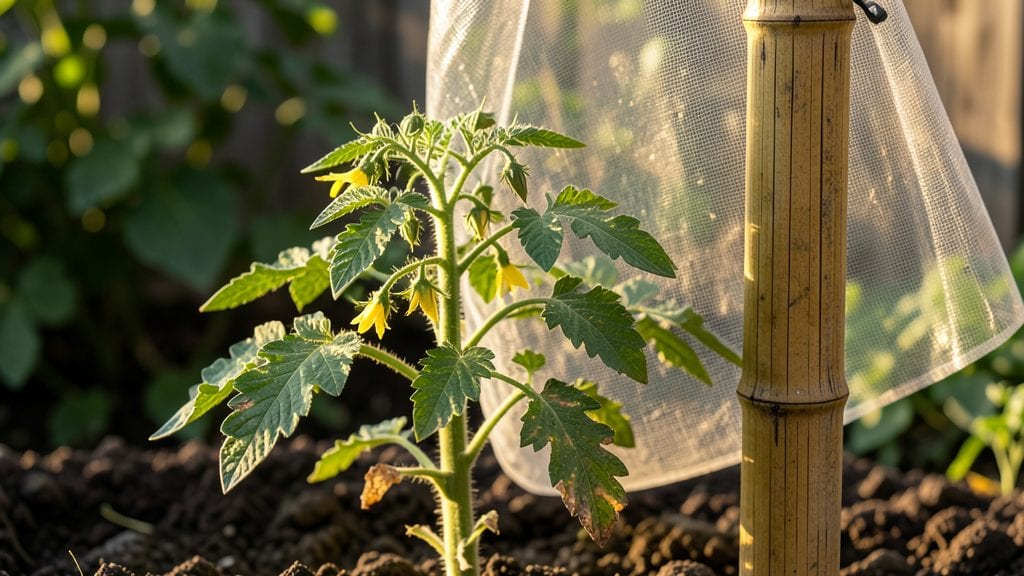
Those crispy white patches on your tomato seedlings aren’t just sun damage—they’re classic signs of tomato seedling sunburn, and here’s how to fix it. I’ve saved dozens of plants from this exact problem using shade cloth—no more wilted, sun-scorched leaves ruining your harvest before it even starts.
The fix is simpler than you think, and once you know the signs, you’ll catch it early every time.
Sunburned seedlings show up as pale, papery patches on leaves or even blistered stems—sometimes within just a few hours of too much direct light. The culprit is usually bright morning sun combined with thin, tender seedlings that can’t handle the intensity yet.
Even a 30% shade cloth (or a cheap white sheet) draped over them for the first week or two makes all the difference.
You’ll see new growth within days once you adjust the light, and those crispy patches will fade to healthy green. The key is gradual hardening off—start with partial shade, then slowly increase sun exposure over 10-14 days.
Prune any badly damaged leaves to help the plant focus on recovery, and avoid watering in the heat of the day.
This works for both indoor starts moved outside and direct-sown seedlings in hot climates. The same principles apply whether you’re growing in trays, pots, or the ground—just watch for those telltale white spots early. Let’s get those seedlings back on track!
When Light Turns Lethal
Tomato seedlings may look delicate, but their tiny leaves are packed with chloroplasts—tiny solar panels that convert sunlight into energy. When exposed to too much intense light too quickly, these chloroplasts go into overdrive, producing a harmful byproduct called reactive oxygen species (ROS).
Think of it like a short-circuit in your plant’s cellular wiring: the excess energy damages cell membranes, causing sunburn that appears as white, yellow, or brown patches on leaves. Here’s why it happens—and how to spot the warning signs.
Sunburn in seedlings isn’t just about duration—it’s about intensity. When seedlings are moved from low-light conditions (like a shaded seed-starting tray or indoor grow lights) to direct midday sun, their chlorophyll can’t handle the sudden UV and infrared radiation. This is especially true for:
- Young leaves: New growth lacks the protective cuticle layer (the plant’s natural sunscreen) found on mature leaves.
- Thin stems: Seedlings with etiolation (long, leggy stems from poor light) are even more vulnerable because their cells are stretched and less dense.
- High UV index days: Clear skies with a UV index above 6 (common in late spring/summer) can scorch seedlings in just a few hours.
Pro tip: 🌡️ If your seedlings are transplanting outdoors on a day with a UV index of 8+, start with 50% shade cloth for the first 3–5 days, even if temps seem mild.
Hardening off—gradually exposing seedlings to outdoor conditions—is critical, but rushing it triggers sunburn. When seedlings are:
- Moved too quickly from indoor/low-light to full sun (e.g., overnight to daytime in one step).
- Placed in hot, reflective surfaces like black plastic mulch or concrete, which amplify heat and dry out leaves faster.
- Water-stressed during acclimation, their cells can’t regulate temperature, making them 3x more susceptible to sun damage.
Science note: Plants use transpiration (water evaporation) to cool themselves. When soil is dry, this process stalls, trapping heat in leaves like a greenhouse.
Mature tomato plants develop protective pigments like anthocyanins (the red/purple hues in stems) and carotenoids (yellow/orange compounds) to shield against UV. But seedlings?
- No anthocyanins yet: These pigments don’t kick in until the plant is 4–6 weeks old and actively flowering.
- Low carotenoid levels: Carotenoids act like sunscreen for chlorophyll, but seedlings produce them in tiny amounts until exposed to gradual light.
- Albedo mismatch: Light-colored seedlings (e.g., ‘Solar Fire’ or ‘Celebrity’) reflect less UV than dark-leaved varieties like ‘Black Krim,’ making them prime targets.
Actionable fix: 🌿 If you’re growing heirloom varieties with light-colored leaves, prioritize shade cloth or morning-only sun exposure during hardening off.
Sunburn isn’t just about UV—it’s a heat + light cocktail. When air temps exceed 85°F (29°C) and seedlings are in full sun:
- Photosynthesis shuts down: Enzymes like Rubisco (which fixes CO₂) denature, halting energy production.
- Cell membranes rupture: Heat causes lipid peroxidation, where cell walls break down, leaking nutrients and water.
- Wilting accelerates: Seedlings lose turgor pressure (internal water pressure), making leaves floppy and prone to further damage.
Data point: Research from Journal of Experimental Botany shows seedlings exposed to 90°F (32°C) + full sun can experience 50% leaf burn within 2 hours.
Quick Fixes for Sun-Stressed Seedlings
Now that you understand why your tomato seedlings are getting sunburned, let’s tackle the problem with practical, easy-to-implement solutions. The good news? Most fixes are simple and can be done in minutes—no fancy tools required.
Below, we’ve mapped common causes to their fixes, plus prevention tips to keep your seedlings thriving.
Fix: Gradually acclimate seedlings to sunlight and provide temporary shade.
- 🔥 Move seedlings to partial shade immediately if they’re showing signs of sunburn (yellowing, white patches, or crispy edges). Use a lightweight shade cloth (30-50% block) draped over a hoop or frame. If you don’t have shade cloth, a white bedsheet or cheesecloth works in a pinch.
- 🍳 Adjust watering—sunburned seedlings need extra hydration. Water deeply at the base in the early morning or late evening to reduce stress. Avoid wetting leaves, as this can worsen sun damage.
- 👨🍳 Harden off seedlings slowly over 7–10 days before transplanting.
Start with 2–3 hours of morning sun, then gradually increase exposure. This trains them to handle sunlight without shock.
💡 Pro Tip: If seedlings are already severely damaged, trim the affected leaves with sterilized scissors to redirect energy to healthier growth. Avoid pruning more than 20% of the foliage at once.
Fix: Cool down the environment and improve moisture retention.
- 🌡️ Lower temperatures by moving containers to a shadier, cooler spot (e.g., under a porch or patio). If outdoors, use reflective mulch (like white gravel or aluminum foil) around the base to bounce back some sunlight.
- 💧 Increase humidity with a mist spray bottle (lightly mist leaves in the morning) or place a tray of water near the seedlings to boost ambient moisture. Grouping pots together also helps create a microclimate.
- 🥗 Use mulch—cover the soil with straw, grass clippings, or coconut coir to retain moisture and regulate temperature. Avoid organic mulch if fungal diseases are a concern.
✨ Prevention Hack: Set up a DIY shade tent using a white umbrella or a large cardboard box cut in half and propped open. This blocks harsh rays while allowing airflow.
Fix: Optimize growing conditions to reduce heat absorption.
- 🔄 Switch to lighter-colored containers (white, silver, or terracotta) to reflect sunlight instead of absorbing it. Dark pots (black, brown) act like ovens—swap them ASAP.
- 🥘 Improve soil drainage and moisture by amending with perlite or vermiculite (20% mix).
This prevents soil from drying out too quickly and keeps roots cool. 3. ⏰ Adjust transplant timing—avoid setting out seedlings when highs exceed 90°F (32°C). Wait until late afternoon for cooler soil temps, or start seeds indoors under grow lights.
🎯 Long-Term Fix: Use self-watering pots or drip irrigation to maintain consistent moisture without overwatering.
Fix: Strengthen seedlings before exposing them to full sun.
- 🍎 Boost nutrition with a balanced fertilizer (10-10-10 or fish emulsion) diluted to half-strength. Weak seedlings are more susceptible to stress—feed them gently.
- 💪 Provide support if seedlings are leggy. Bury 1/3 of the stem when transplanting to encourage root growth and stability.
Use toothpicks or small stakes to prop up weak stems. 3. 🌿 Delay outdoor planting if seedlings are underdeveloped. Keep them indoors under grow lights (12–16 hours/day) until they have 4–6 true leaves and sturdy stems.
🔥 Emergency Rescue: If seedlings are wilting from heat stress, submerge the entire pot in water for 10–15 minutes to rehydrate roots. Repeat every few hours if needed.
To avoid sunburn altogether, follow these non-negotiable steps:
- ✅ Start with shade cloth (30–50%) for the first 2 weeks after transplanting.
- ✅ Water deeply in the morning—never let soil dry out completely.
- ✅ Choose heat-tolerant varieties like ‘Solar Fire,’ ‘Heatmaster,’ or ‘Celebrity’ if you live in a hot climate.
- ✅ Monitor weather forecasts—avoid transplanting during heatwaves.
- ✅ Rotate pots daily if seedlings are in one spot to ensure even sun exposure.
By addressing the root cause (literally!) and adjusting your care routine, your tomato seedlings will bounce back stronger—and you’ll be harvesting juicy, sunburn-free tomatoes in no time. 🍅🌿
Frequently asked questions
What do tomato seedling sunburn spots actually look like?
Sunburned tomato seedlings show white, yellow, or brown patches that feel crispy to the touch—like paper. These spots often appear on leaf edges or upper surfaces first, while healthy leaves stay vibrant green. In severe cases, stems may develop blisters or blackened areas. Unlike nutrient deficiencies (which affect older leaves first), sunburn targets new growth exposed to intense light.
Can sunburned seedlings recover, or should I just start over?
Most seedlings can recover if you act quickly! Prune damaged leaves (up to 20% of foliage) and move them to 50% shade cloth immediately. Within 3-5 days, new growth should emerge. Only replace plants if stems are blackened or mushy—those won’t recover. The key is preventing further stress while the plant redirects energy to healthy tissue.
Is morning sun safer than afternoon sun for seedlings?
Yes—morning sun is gentler because it’s less intense and combined with cooler temperatures. Afternoon sun (especially 1-4 PM) packs more UV radiation and heat, which is why seedlings often show damage by late afternoon. Start with just 2-3 hours of morning sun daily, then gradually increase exposure over 7-10 days to build resilience.
What’s the fastest way to fix sunburned seedlings if I don’t have shade cloth?
Use a white bedsheet or cheesecloth stretched over a hoop or frame to diffuse light immediately. For extra cooling, place a shallow tray of water under the cloth to increase humidity. Avoid plastic wraps—trapped heat will worsen damage. Water deeply at soil level in the morning to help recovery, and avoid wetting leaves until new growth appears.
Why do some tomato varieties burn more easily than others?
Light-colored varieties (like ‘Celebrity’ or ‘Solar Fire’) absorb more UV radiation than dark-leaved types (e.g., ‘Black Krim’). Seedlings also lack protective pigments like anthocyanins until they’re 4-6 weeks old. Heat-tolerant hybrids (e.g., ‘Heatmaster’) have genetic adaptations for high-light conditions, while heirlooms often need extra shade during hardening off. Choose varieties suited to your climate!