Trees
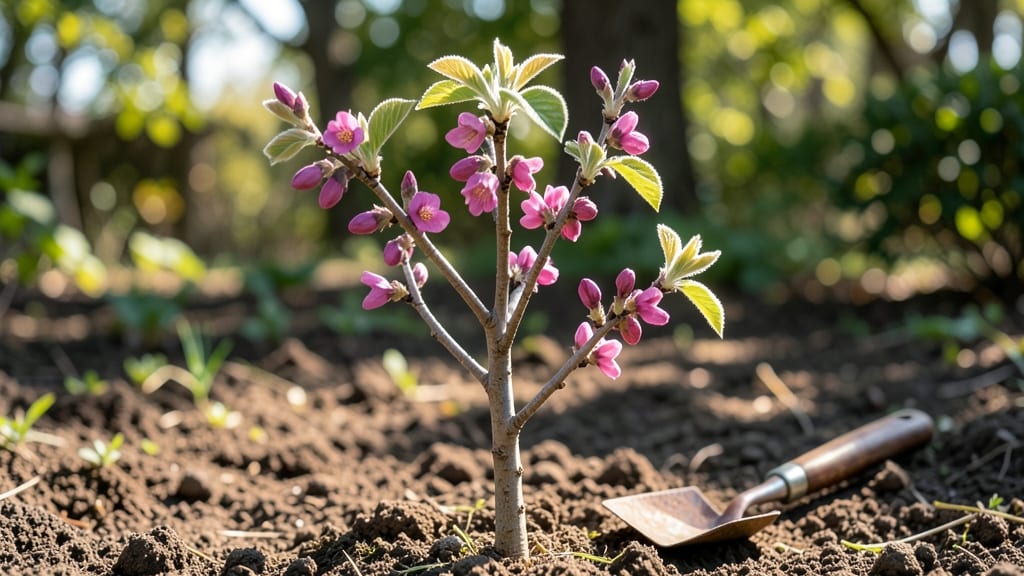
Mastering redbud seedling identification is the first step to growing those iconic pink blooms that light up spring gardens before the leaves even appear—here’s how I spot them in my yard every year. what to look for—especially when they’re tiny and easy to confuse with other early sprouts.
The real giveaway is the leaf shape: heart-shaped with smooth edges, almost like a tiny maple leaf but thinner. Young redbud bark is silvery-gray and smooth, not the rough texture of hickory or the flaky bark of birch.
If you find seedlings with these traits, you’re likely dealing with Cercis canadensis—the eastern redbud, the star of early spring gardens.
Why this matters? Planting the wrong seedling means waiting years for blooms—or never seeing them at all. A misidentified redbud might grow into a weak, leggy tree that never produces flowers.
But when you get it right, you’re setting up a shade tree that’ll burst into pink every March, long before summer’s heat arrives.
Here’s the best part: these seedlings thrive in partial shade, making them perfect for understory plantings or as understory companions to larger trees. Once you learn the signs, spotting them becomes second nature—just watch for those first pink buds pushing through the soil in late winter.
What Triggers Misidentification
Correctly identifying a redbud seedling isn’t always straightforward—even for experienced gardeners. Several natural and human factors can lead to confusion, making it tricky to distinguish these delicate young trees from other spring bloomers.
Below, we break down the key reasons why misidentification happens, so you can spot the clues that set redbuds apart.
Redbud seedlings (Cercis canadensis) undergo dramatic changes in their first few years, and their early growth stages can closely resemble other trees or shrubs.
- Leaf Shape Mimicry: Young redbud leaves start broad and rounded, similar to hackberry or maple seedlings. Without flowers or mature bark, their foliage alone isn’t enough for ID.
- Height and Form: Seedlings often grow in a bushy, multi-stemmed shape, which can be mistaken for serviceberry or wild plum saplings—both of which also bloom early.
- Delayed Flowering: Not all seedlings bloom in their first year. If you’re expecting pink flowers but see none, you might dismiss it as a different species entirely.
Actionable Tip: Wait until late winter or early spring when buds swell. Redbuds produce distinctive elongated flower buds along branches—unlike many competitors that have clustered or hidden buds.
Redbuds aren’t the only plants bursting with color in early spring. Their timing coincides with other trees and shrubs, creating a visual "crowd" that muddies identification.
| Competing Species | Key Differences | Redbud’s Edge |
|---|---|---|
| Eastern Redbud (same genus, but mature) | Larger leaves (3–5" long), heart-shaped with pointed tips. | Seedlings have smaller, rounder leaves (1–2" long) with a slight hairiness. |
| Wild Plum (Prunus americana) | White or pink flowers in clusters; leaves appear after blooms. | Redbuds bloom before leaves emerge, with solitary flowers along branches. |
| Serviceberry (Amelanchier) | White flowers in flat clusters; leaves turn red/orange in fall. | Redbud flowers are pink-purple and grow directly on stems, not in clusters. |
Pro Tip: 🔍 Use a magnifying glass to inspect bud scales and leaf undersides. Redbud seedlings often have fine, silvery hairs on new growth—a trait absent in look-alikes.
Drought, poor soil, or pest damage can stunt redbud seedlings, making them look weak or deformed—further complicating ID.
- Stunted Growth: Seedlings in shade or compacted soil may grow leggy or sparse, resembling dogwood or viburnum saplings.
- Leaf Discoloration: Nutrient deficiencies (e.g., iron chlorosis) turn leaves yellow or purple, masking the true species.
- Pest Damage: Aphids or Japanese beetles can chew leaves, leaving jagged edges that mimic disease or poor health in other trees.
Science Note: Redbuds are mesophytes—they thrive in moist, well-drained soil. If a seedling is struggling, it’s likely not in ideal conditions, which can skew its "typical" look.
Fix It: Transplant to a sunnier spot with sandy loam and monitor for pests. Healthy redbuds should recover their vibrant green leaves and upright form within a season.
While redbud’s iconic pink blooms are a dead giveaway for mature trees, seedlings often don’t flower at all in their first year. Relying solely on flowers leads to missed identifications.
- Missing Blooms: Many gardeners assume a non-flowering seedling isn’t a redbud, when in fact it’s just young.
- Partial Blooms: Some seedlings produce only a few flowers, making them easy to overlook.
- Color Fading: As flowers age, they turn brown and drop, leaving no trace—while leaves may still resemble other species.
Solution: Focus on three key traits for seedlings:
- ✅ Leaf arrangement: Alternate (not opposite like viburnum).
- ✅ Bud shape: Elongated and pointed (vs. rounded buds of maples).
- ✅ Bark texture: Smooth and grayish-green (even in saplings).
💡 Bonus: Scratch the bark—redbud’s inner layer is light green, unlike the brownish hues of competitors.
Quick Fixes for Young Tree Confusion
If you’re staring at a cluster of seedlings and wondering, "Is this a redbud or just a random sapling?"—don’t panic! With a few targeted steps, you can confidently identify and care for your redbud seedlings before they mature.
Below, we’ll tackle common misidentifications and care issues with clear, actionable solutions.
Problem: Your seedlings resemble redbuds but could be eastern red cedar, hawthorn, or even wild plum—all of which have early blooms or similar leaf shapes. Solution: 1. 🌸 Check the Flowers First - True redbuds bloom with pink to magenta clusters before leaves emerge. If the flowers are white, yellow, or tiny and clustered differently, it’s likely another species. - Pro tip: 💡 Snap a photo of the bloom close-up—redbud petals are smooth and slightly fuzzy, while cedar or hawthorn flowers are often scaly or star-shaped. 2. 🍃 Leaf Shape Matters - Redbud leaves are heart-shaped with smooth edges and turn bright yellow in fall. Compare with: - Hawthorn: Leaves have serrated edges and small thorns. - Wild plum: Leaves are narrower and oval-shaped, with a distinctive almond scent when crushed. 3. 🌱 Seed Pod Inspection - Redbuds develop flat, pea-like seed pods that turn brown and split open. If your seedlings have: - Spiky seed pods → Likely hawthorn. - Berry-like fruits → Could be plum or cherry. Problem: Your identified redbud seedlings are stunted, leggy, or struggling despite good soil. Solution: 1. 🌿 Light & Space Check - Redbuds thrive in full sun to partial shade but can get etiolated (tall and weak) if too shaded. - Fix: Thin seedlings to 6–12 inches apart and ensure they get at least 4–6 hours of sunlight daily. 2. 💧 Watering Woes - Overwatering or compaction can suffocate roots. - Fix: - Water deeply 2–3 times per week (not daily). - Loosen soil around the base with a fork to improve drainage. 3. 🌱 Soil & Fertilizer Fixes - Redbuds prefer well-draining, slightly acidic soil (pH 6.0–7.0). - Fix: - Amend heavy clay soil with compost or pine bark. - Avoid high-nitrogen fertilizers—balanced 10-10-10 in early spring is ideal. Problem: Seedlings show chewed leaves, holes, or fungal spots—common redbud threats include Japanese beetles, powdery mildew, or borers. Solution: 1. 🐞 Pest Control - Japanese beetles: Handpick adults or use neem oil spray (reapply every 7–10 days). - Aphids: Blast off with a strong water spray or introduce ladybugs. 2. 🍄 Fungal Issues - Powdery mildew (white dust on leaves) thrives in humid conditions. - Fix: - Improve airflow by pruning crowded branches. - Spray with baking soda mix (1 tsp baking soda + 1 quart water + a drop of dish soap). 3. 🔥 Borer Prevention - Redbud borers tunnel into stems, causing wilting or oozing sap. - Fix: - Inspect stems for sawdust-like frass (borer poop). - Apply beneficial nematodes or prune infected branches in dormant season. | Season | Task | Why It Helps | |-------------|-----------------------------------|------------------------------------------| | Spring | Prune dead branches, fertilize | Encourages strong new growth. | | Summer | Mulch (2–3 inches), monitor pests | Retains moisture, deters weeds. | | Fall | Thin seedlings, rake fallen leaves | Prevents disease buildup over winter. | | Winter | Protect young trees from deer | Use tree guards if browsing is an issue. | - 🌱 Transplant Care: If moving seedlings, water deeply the day before and keep roots moist for 2 weeks after. - 🎯 Mulch Right: Use wood chips or straw—never pile mulch against the trunk (can cause rot). - 🌿 Companion Planting: Pair redbuds with daylilies or black-eyed Susans to deter pests naturally.With these fixes, your redbud seedlings will grow into vibrant, low-maintenance trees that steal the show every spring. 🌸 No more guessing—just confident care!
Frequently asked questions
How can I tell if a tiny seedling is a redbud without flowers?
Look for heart-shaped leaves with smooth edges (about 1–2 inches long) and silvery-gray bark that’s smooth to the touch. The leaf undersides often have fine hairs, and the stems grow in a bushy, multi-branched pattern. Check for alternate leaf arrangement (not opposite like viburnum).
Why do some redbud seedlings not bloom in their first year?
Most redbud seedlings take 2–3 years to produce flowers, especially if they’re stressed by poor soil or shade. Focus on leaf shape and bark texture—those traits don’t change even when blooms are delayed. Healthy seedlings with bright green leaves and upright growth are still likely redbuds.
Can redbud seedlings survive in full shade?
While they tolerate partial shade, seedlings in deep shade often grow leggy and weak, resembling dogwood or viburnum saplings. For best results, plant them where they’ll get at least 4–6 hours of sunlight daily. If you must shade them, thin nearby trees to improve light exposure.
What’s the best time to transplant redbud seedlings?
Transplant in early spring or fall when temperatures are mild. Water the area 24 hours before digging to reduce root shock, and keep the soil moist for 2 weeks after. Avoid moving seedlings during summer heat or winter frost, which stresses young roots.
How do I distinguish redbud seedlings from wild plum?
Wild plum leaves are narrower and oval-shaped with a distinct almond scent when crushed, while redbud leaves are broader and heart-shaped. Redbud flowers bloom before leaves appear, while wild plum flowers appear after leaves emerge. Also, redbud bark stays smooth, while wild plum develops rougher texture faster.