Trees
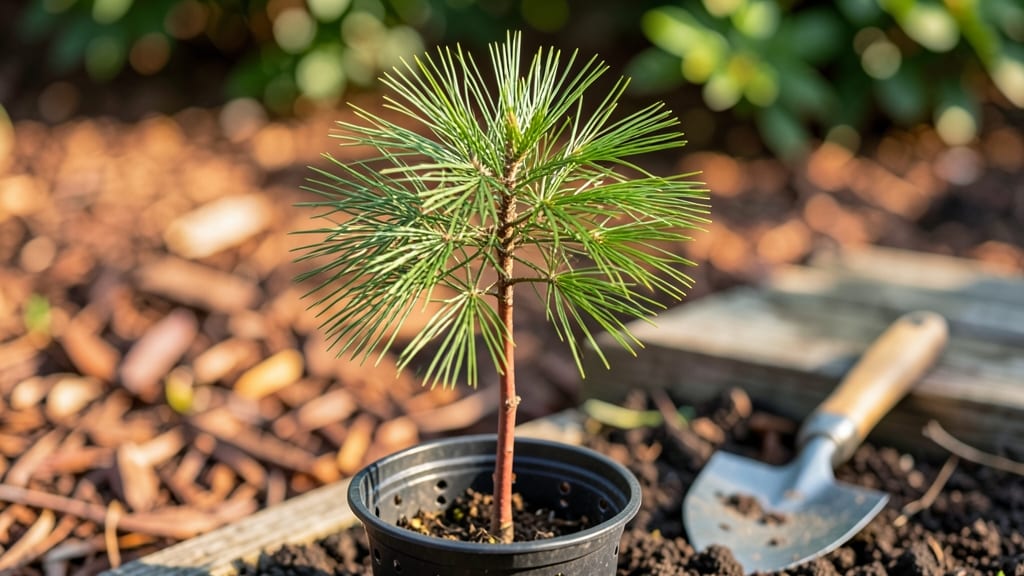
Growing bald cypress seedlings starts with the right moisture strategy—layered soil that keeps roots happy without drowning them. 🌱 I’ve watched these delicate seedlings struggle when planted too dry or too wet, but this one trick transforms floppy stems into sturdy saplings in just a few weeks.
The secret lies in mimicking their natural swampy habitat: loose, slightly acidic soil mixed with organic matter, topped with a 2-inch layer of mulch to hold moisture while allowing airflow.
Most gardeners overwater, thinking cypress seedlings need constant sogginess, but the key is consistent dampness—not saturation. A simple moisture meter helps avoid the guesswork.
Within three months, you’ll see deep green needles and a strong central trunk, proof the roots are spreading where they should. The layered approach also prevents fungal issues that plague poorly drained soil, so your seedlings stay healthy even during dry spells. Ready to try it?
This method works for both container-grown seedlings and in-ground plantings, whether you’re restoring a wetland edge or adding one to your yard. The same principles apply whether you’re in Zone 6 or 9—just adjust mulch thickness for your climate.
📚 In This Guide
- What you need
- Instructions
- Tips and common mistakes
- Wrapping up and next steps
What you need
- ● Bald cypress seedling: 1 healthy, 6–12-inch-tall sapling (ensure roots are intact and free of damage).
- ● Growing container: 1–2 gallon pot with drainage holes (or a nursery tray for multiple seedlings).
- ● High-quality potting mix: 1 bag (1–2 cubic feet) of peat-based or cypress-friendly soil (e.g., 60% peat moss, 30% perlite, 10% sand).
- ● Layered moisture materials: 1 sheet of landscape fabric (cut to fit container base).
- ● 1–2 inches of coarse gravel or small river rocks (for drainage).
- ● 1–2 inches of sphagnum moss (retains moisture near roots).
- ● Watering can or spray bottle: 1 with a gentle spray nozzle.
- ● Garden trowel or small shovel: 1 for planting.
- ● Rooting hormone: 1 small tube (speeds up root establishment).
- ● Mulch: Pine straw or shredded bark (1–2 inches) to retain moisture.
- ● pH testing kit: To ensure soil pH is 5.0–6.5 (ideal for cypress).
- ● Humidity dome or plastic wrap: Temporarily covers seedlings to boost humidity.
- ● Stake or bamboo support: 1–2 for taller seedlings (prevents toppling).
Step-by-Step guide to growing bald cypress seedlings with the layered moisture method
Here's how to nurture resilient bald cypress seedlings using a simple moisture technique that builds strong roots.
🌱 Step 1: Prepare the Growing Medium and Containers
Fill your 4-inch diameter containers with a mix of 50% peat moss and 50% perlite. This combination holds moisture while allowing airflow—critical for preventing rot. I like to layer the peat first, then perlite on top to create a natural moisture gradient. Gently press the mix down to remove air pockets, but don't compact it too tightly.
Bald cypress seeds need consistent moisture to germinate, but standing water will drown them. Moisten the mix until it's damp like a wrung-out sponge—no puddles. Place the containers in a shallow tray to catch any excess water during the initial watering. This layered approach mimics their natural swampy habitat while preventing waterlogging.
💧 Step 2: Plant Seeds at the Right Depth and Maintain Moisture
Press each bald cypress seed ½ inch deep into the prepared mix. I use my finger to make small indentations first—this prevents seeds from floating to the surface. After planting, cover the tray with clear plastic wrap to create a mini greenhouse. This keeps humidity high while maintaining the layered moisture you've created.
Check moisture daily by lifting the container—it should feel consistently damp but not soggy. Mist the plastic wrap occasionally to maintain condensation inside. Bald cypress seeds typically germinate in 3-6 weeks, but stay patient—some may take longer, especially in cooler conditions. The key is keeping that top layer slightly drier than the bottom, which encourages downward root growth.
☀️ Step 3: Provide Indirect Light and Gradual Exposure
Place your seedlings in a spot with bright, indirect light—think filtered sunlight or a north-facing window. Direct sun at this stage will dry out the top layer too quickly, breaking your moisture balance. I position mine under a sheer curtain to diffuse the light while still providing enough energy for growth.
Once seedlings reach 2 inches tall, gradually introduce them to more direct light over 7-10 days. This hardening process prevents shock. You'll know they're ready for slightly more sun when the leaves develop a deeper green color and the stems firm up. The layered moisture technique ensures they won't dry out during this transition.
🌿 Step 4: Transition to Outdoor Conditions
When seedlings show 4-6 true leaves and nights stay above 50°F, it's time to move them outdoors. Choose a partially shaded spot for the first few days—this protects them from intense afternoon sun. I like to bury the containers slightly in the soil to stabilize them and maintain that crucial moisture gradient.
Water deeply every 2-3 days, checking that the top inch of soil feels moist but the bottom remains damp. Bald cypress seedlings thrive in moist conditions, but their roots need oxygen too. The layered approach you've maintained ensures they develop strong, fibrous roots capable of handling both wet and dry periods once established.
✂️ Step 5: Prune and Maintain Moisture for Long-Term Growth
Once seedlings reach 1 foot tall, trim any leggy growth to encourage bushier development. Use clean scissors to snip just above a leaf node. This redirects energy to root growth rather than upward stretching. I also remove any yellowing leaves immediately—they signal stress from inconsistent moisture.
Continue maintaining your layered moisture system by watering at the base rather than overhead. This keeps the top layer slightly drier while ensuring the roots stay hydrated. Within 6-8 weeks, your seedlings will develop the strong taproots and resilience characteristic of mature bald cypress trees.
Tips & tricks for perfect bald cypress seedling growth
Here's what I've learned after nurturing dozens of these delicate seedlings—small details make all the difference.
Layering Technique: The peat-perlite gradient in Step 1 is your secret weapon. The top layer should dry slightly between waterings while the bottom stays consistently moist. I like to use a spray bottle for the top inch and water from below for the deeper layers—this mimics their natural swampy environment perfectly. The key is keeping that top layer just damp enough to prevent mold but dry enough to avoid surface crusting.
Moisture Monitoring: Don't rely on visual cues alone—lift the container daily to check weight. A damp container should feel noticeably heavier than a dry one. In Step 2, when you're checking moisture, press your finger about 1 inch deep—this bottom layer should stay consistently moist while the top feels slightly drier. This gradient encourages deep root growth rather than shallow surface roots.
Light Transition Strategy: For Step 3, when you're gradually introducing more light, I recommend moving containers 2 inches closer to the light source every 2-3 days. Watch for the leaves—if they start curling or turning yellow, you've moved too quickly. The sheer curtain trick works wonders for diffusing harsh light while still providing enough energy for photosynthesis.
Outdoor Transition Tip: Before moving seedlings outdoors in Step 4, do a quick "hardening test." Place them in the outdoor spot for 1 hour on day 1, then 2 hours on day 2, gradually building up. This prevents shock from sudden temperature changes. I also like to bury the containers slightly in the soil—this stabilizes them and maintains that crucial moisture gradient while they adapt.
Pro Tips for Bald Cypress Seedling
- Here's what I've learned after nurturing dozens of these delicate seedlings—small details make all the difference.
- Layering Technique: The peat-perlite gradient in Step 1 is your secret weapon. The top layer should dry slightly betw...
- Moisture Monitoring: Don't rely on visual cues alone—lift the container daily to check weight. A damp container shoul...
Frequently asked questions
Got questions about growing bald cypress seedlings? You’re not alone! Here are some common queries—and the answers you need to nurture thriving trees with confidence.
How long does it take for bald cypress seedlings to establish strong roots?
With the layered moisture trick, seedlings typically develop robust root systems in 4–6 weeks under ideal conditions. Consistency is key—keep the soil evenly moist (not soggy) during this critical phase. By 3 months, roots should reach 6–12 inches deep, ready for transplanting if needed.
When is the best time to plant bald cypress seedlings outdoors?
Plant seedlings in early spring or fall (March–April or September–October) to avoid extreme heat or frost. Young roots struggle in summer’s scorching temps or winter’s freeze-thaw cycles. If planting in summer, prioritize shade and frequent watering to protect tender roots.
Why are my bald cypress seedlings wilting even with the layered moisture method?
Wilting often signals overwatering (root rot) or underwatering. Check soil moisture 1–2 inches down—it should feel damp like a wrung-out sponge. If roots look mushy, reduce water; if dry, increase frequency. Pro tip: Use a moisture meter for accuracy!
Can I grow bald cypress from seeds instead of seedlings?
Yes! Seeds take longer (6–12 months) to sprout but offer genetic diversity. Soak seeds in lukewarm water for 24 hours before planting in peaty, well-draining soil. Keep humidity high (use a plastic dome) and expect 50% germination. Seedlings grow slower but may outperform store-bought ones in local climate challenges.
How do I protect bald cypress seedlings from pests like deer or insects?
Deer? Use repellent sprays (rotten egg scent) or physical barriers (chicken wire). Insects (e.g., bagworms)? Spray with neem oil or insecticidal soap early. Pro tip: Plant seedlings near native companion plants like elderberry—they deter pests naturally!
Wrapping up and next steps
Growing bald cypress seedlings with the layered moisture trick isn’t just about patience—it’s about creating a thriving foundation for your future tree! 🌱 By mimicking their natural swampy habitat, you’ll give them the strong, resilient roots they need to flourish.
Whether you’re a seasoned gardener or just starting out, this method makes the process simple and rewarding.
Ready to take the next step? Plant your seedlings in early spring or fall when temperatures are mild, and watch them grow into majestic, drought-resistant trees. Happy planting—your future cypress will thank you!