Planting
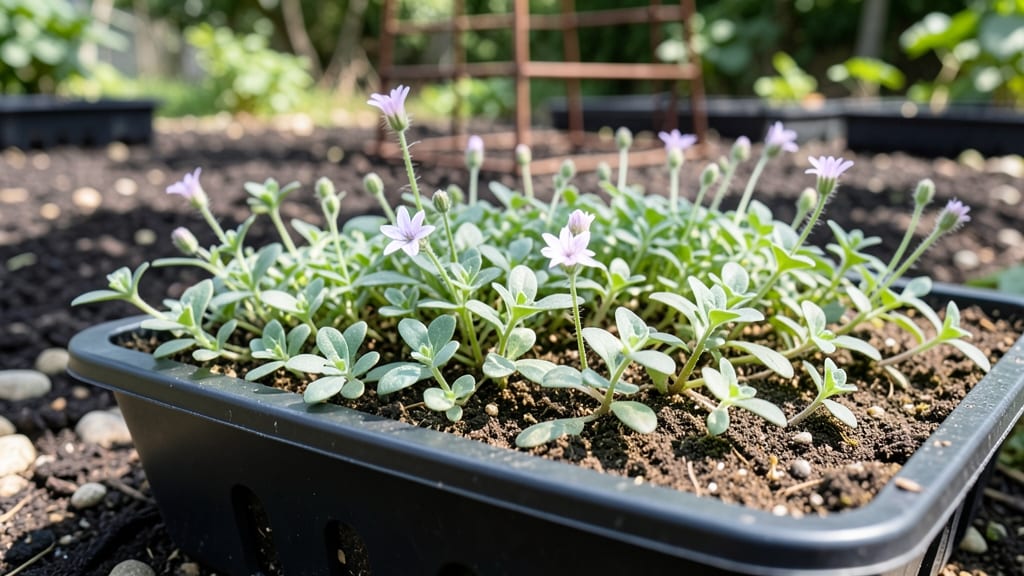
Cold sowing seeds in winter lets you jumpstart spring blooms without waiting for warm soil. ✨ I’ve seen violas and snapdragons push through snow just to greet me in early March—proof that patience pays off when you work with nature, not against it.
The secret’s in timing and setup: choose hardy biennials or perennials, use shallow containers with good drainage, and scatter seeds in fall or winter. Most people assume cold sowing means freezing temperatures, but the real magic happens when fluctuating temps and moisture trick seeds into thinking spring’s arrived.
My favorite varieties? Sweet alyssum, calendula, and foxglove—all thrive with this method.
By spring, you’ll have sturdy seedlings ready to transplant, skipping the slow start of traditional spring planting. The roots develop deeper over winter, and you avoid the rush of early-season pests. Plus, your garden will burst into color weeks ahead of neighbors who wait for last frost dates.
Works in zones 3-8, whether you’re prepping for a cottage garden or container displays. Here’s how to make it work for your space—no greenhouse required.
📚 In This Guide
- What you need
- Instructions
- Tips and common mistakes
- Wrapping up and next steps
What you need
- ● Seeds: Choose cold-hardy varieties like lettuce, spinach, kale, peas, or radishes (check seed packets for cold-tolerance labels).
- ● Quantity: 1–2 tbsp per variety (adjust based on desired harvest size).
- ● Containers: Seed trays, biodegradable pots, or even repurposed egg cartons (ensure drainage holes!).
- ● Size: 2–4 inches deep for most veggies/herbs.
- ● Growing Medium: High-quality seed-starting mix (sterile, lightweight, and well-draining). Avoid garden soil—it’s too dense!
- ● Quantity: Enough to fill containers ¾ full (~1–2 cups per tray).
- ● Water: Room-temperature water (cold water can shock seeds). A spray bottle or watering can with a fine rose works best.
- ● Protection: Frost cloth, row covers, or even a clear plastic dome (to shield seedlings from harsh winds/snow).
- ● Sturdy labels (popsicle sticks + masking tape) to track varieties.
- ● A heat mat (if sowing in very cold climates, like below 20°F/-7°C).
- ● An LED grow light (for indoor prep or cloudy winters).
- ● Compost or worm castings (mix 10% into soil for nutrient boost).
- ● A thermometer (to monitor soil temps—ideal range: 40–50°F/4–10°C).
Step-by-step guide to cold sowing seeds for spring blooms
Skip the greenhouse and let winter do the work—here's how to jumpstart spring flowers.
🌱 Step 1: Choose the Right Seeds and Containers
Cold sowing works best with perennials and biennials like foxgloves, columbines, and poppies—these need a cold period to germinate naturally. Grab a shallow tray with drainage holes and fill it with 2-3 inches of moistened potting mix. I like to use a clear plastic container so I can monitor moisture levels without opening it.
Scatter seeds thinly on the soil surface—crowding them leads to weak seedlings later. Lightly press them into the mix so they make contact with the soil but don’t bury them deeper than ¼ inch. This mimics how seeds naturally settle in garden beds during winter.
💧 Step 2: Moisten and Chill for Winter Stratification
Water the tray until the soil is evenly damp but not soggy—think of a wrung-out sponge. Place the tray outside in a sheltered spot where it’ll experience natural winter conditions, like under a tree or on a covered porch. The goal is to keep it exposed to cold but protected from heavy rain or freezing temperatures below 20°F.
Check the tray monthly to ensure the soil stays moist. If it’s dry, give it a light watering—just enough to keep the top inch damp. You’ll see nothing happening for weeks, but that’s normal. The cold period breaks seed dormancy, so patience is key.
☀️ Step 3: Transition to Spring Growth
When daytime temperatures consistently reach 50°F and nights stay above 35°F, move the tray to a brighter location like a sunny windowsill or under grow lights. This gradual shift mimics spring’s warming trend and prevents shock. You’ll notice the first true leaves emerging in 4-8 weeks, depending on the plant.
Thin seedlings to 3-4 inches apart once they have two sets of leaves. Use small scissors to snip unwanted plants at soil level—this reduces competition and gives your keepers room to grow strong. I always transplant the healthiest-looking seedlings to their final spots once they’ve developed 4-6 true leaves.
⏰ Step 4: Harden Off and Plant Outdoors
Two weeks before your last frost date, start hardening off your seedlings by placing them outside in a sheltered spot for 1-2 hours the first day. Gradually increase their outdoor time by 1 hour daily until they’re spending full days outside. This toughens them up for permanent planting.
Plant seedlings in their final location on a cool, overcast afternoon to minimize stress. Space them according to the plant’s mature size—most perennials need 12-18 inches apart. Water deeply at planting to settle the soil and encourage root growth. Mulch with 1-2 inches of organic mulch to retain moisture and regulate soil temperature.
Tips & tricks for perfect cold sowing results
Cold sowing seeds might seem like a waiting game, but these key strategies will help you maximize success without the guesswork.
Seed Selection Matters: Stick to perennials and biennials like foxgloves, columbines, and poppies—they're specifically adapted to benefit from cold stratification. Avoid annuals and tropical plants that won't respond to winter chilling. I've found that pre-packaged seed mixes labeled "wildflower" often contain unsuitable annuals, so always check the seed packet for "perennial" or "biennial" designations.
Temperature Control: The critical 20°F threshold is your safety net—never let temperatures drop below this. Use a simple thermometer to monitor your outdoor location, especially in unpredictable winters. If you're in a particularly cold climate, consider adding a protective layer like bubble wrap around the tray to prevent freezing. The goal is to mimic natural winter conditions without subjecting seeds to extreme cold.
Moisture Management: That "wrung-out sponge" consistency is perfect—too dry and seeds won't germinate, too wet and they'll rot. I've learned the hard way that checking moisture monthly isn't enough—sometimes winter winds dry out soil faster. Keep a spray bottle handy for quick touch-ups between monthly checks. The top inch should stay consistently damp, not soggy.
Transition Timing: Waiting for daytime temps to hit 50°F consistently is crucial—this gradual warming mimics spring's natural progression. I've seen seedlings shock when moved too early to bright windowsills, so don't rush this step. If you're unsure about your local temperatures, check your weather service's frost date forecasts and plan your transition accordingly.
Pro Tips for Cold Sowing Seeds
- Cold sowing seeds might seem like a waiting game, but these key strategies will help you maximize success without the...
- Seed Selection Matters: Stick to perennials and biennials like foxgloves, columbines, and poppies—they're specificall...
- Temperature Control: The critical 20°F threshold is your safety net—never let temperatures drop below this. Use a sim...
Frequently asked questions
Got questions about cold sowing seeds? You’re not alone! Here are some of the most common concerns—and straightforward answers—to help you get started with confidence.
What seeds can I cold sow?
Cold sowing works best with hardy annuals and biennials that thrive in cool weather. Top picks include lettuce, spinach, kale, calendula, sweet alyssum, and snapdragons. Avoid tropical plants (like tomatoes or peppers) or frost-sensitive varieties—they won’t survive the chill!
How long should I cold sow seeds before transplanting?
Most seeds need 4–8 weeks in the fridge to stratify, but timing varies by plant. Check seed packets for specifics! For example, lettuce may germinate in 2–3 weeks, while biennials like foxgloves can take longer. Monitor soil moisture and light—if sprouts peek through, it’s time to transplant.
What if my seeds rot or mold in the fridge?
Moisture is the enemy! Use damp (not soggy) paper towels or a moistened seed-starting mix in your containers. Place seeds in a sealed bag with a tiny air pocket to prevent condensation. If mold appears, discard the batch—never risk it—and try again with fresh seeds and better ventilation.
Can I cold sow too early or too late in the season?
Ideal timing is 6–8 weeks before your last frost date, but flexibility exists. Start too early? Seeds may germinate prematurely. Too late? They might not harden off before spring. For zones with harsh winters, aim for late fall (after soil temps drop below 40°F) to avoid freezing.
What’s the difference between cold sowing and overwintering seeds?
Cold sowing is intentional stratification in controlled conditions (fridge + containers), while overwintering lets seeds naturally stratify outdoors in garden beds. Cold sowing gives you more control over timing and moisture, while overwintering is low-effort but riskier (pests, uneven germination). Try both to see what works for your climate!
Wrapping up and next steps
Cold sowing seeds is your secret weapon for a head start on spring gardening—no waiting, no fuss! By mimicking winter’s chill, you’ll unlock stronger, hardier plants that thrive from day one.
Whether you’re a seasoned gardener or just starting out, this method proves that patience (and a little frost) pays off in vibrant blooms and bountiful harvests.
Ready to give it a try? Start small—pick 1-2 varieties to test this season, then expand as you master the technique. Grab your seeds, a tray, and a freezer, and let nature do the rest. Happy planting! 🌱❄️