Flowers
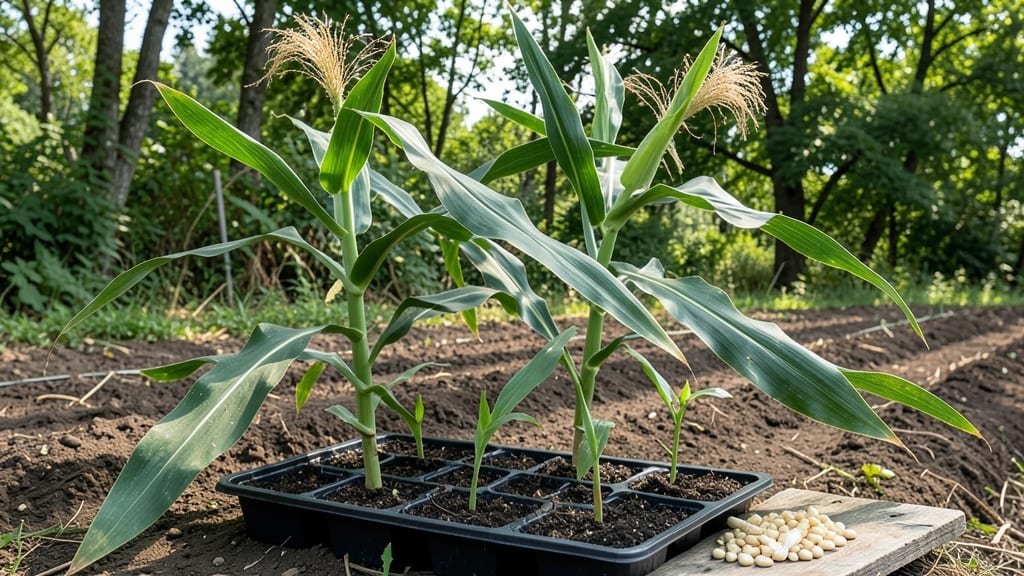
Growing cornflower seeds from scratch delivers those signature sky-blue blooms in just 60 days—and I’ve found the exact timing and tricks that make them thrive every season.
The first year I planted mine, I nearly gave up after they flopped in the heat, but a few simple adjustments turned my patch into a riot of color that lasted from July through frost. 🌻
You’ll need well-draining soil, a sunny spot with at least 6 hours of sunlight daily, and patience for their slow start—cornflowers take their time germinating but reward you with bold, drought-tolerant blooms.
The seeds should go in about ¼ inch deep, spaced 12-18 inches apart, and kept consistently moist until they sprout. Most gardeners overwater them, which is the fastest way to invite rot.
By mid-summer, you’ll have stems packed with 1-2 inch wide flowers that attract pollinators and cut beautifully for arrangements. The key is deadheading spent blooms to encourage more flowers, and saving seeds for next year—those little dried heads stay viable for years.
Even in hot climates, they bounce back better than many annuals.
Perfect for cottage gardens, wildflower meadows, or even container growing. Here’s how to avoid the three mistakes that kill cornflowers before they bloom—and keep them coming back year after year.
📚 In This Guide
- What you need
- Instructions
- Tips and common mistakes
- Wrapping up and next steps
What you need
- ● Cornflower seeds (e.g., Centaurea cyanus): Quantity: 1 packet (typically 500–1,000 seeds)
- ○ Type: Non-GMO, heirloom, or organic (optional but recommended)
- ● Well-draining potting mix: Quantity: 2–3 gallons (for seed-starting trays or small pots)
- ● Type: Lightweight, sterile mix (e.g., 50% peat moss + 50% perlite or vermiculite)
- ● Containers: Option 1: Seed-starting trays with cells (50+ cells)
- ● Option 2: Small pots (3–4 inches in diameter)
- ● Option 3: Direct-sowing in garden beds (if weather permits)
- ● Watering can or spray bottle (with a fine mist nozzle)
- ● Plant labels (to track varieties and planting dates)
- ● Gloves (to protect hands from soil and seeds)
- ● Trowel or small shovel (for transplanting seedlings)
- ● Grow lights or sunny windowsill (if starting indoors)
- ● Fertilizer: Balanced liquid fertilizer (e.g., 10-10-10, diluted to half-strength)
- ○ Slow-release granules (optional for garden beds)
- ● Mulch (e.g., straw or shredded leaves, to retain moisture)
- ● Pruning shears (for deadheading spent blooms)
Step-by-Step guide to growing stunning cornflower blooms
Here's how to coax those signature blue blooms from seed to full glory in just two months.
🌱 Step 1: Prepare the Planting Site for Optimal Germination
Cornflowers thrive in full sun and well-draining soil, so choose a location that gets at least 6 hours of direct sunlight daily. If your soil is heavy clay, mix in 2-3 inches of compost to improve drainage—cornflowers despise soggy roots. I like to test soil moisture by squeezing a handful; if water beads up instead of absorbing, you need more organic matter.
Loosen the top 6 inches of soil with a garden fork or tiller to create a seedbed. This breaks up compaction and helps roots establish quickly. If planting in raised beds, ensure they're at least 12 inches deep—cornflowers develop deep taproots that need room to grow.
🌱 Step 2: Sow Seeds at the Right Depth and Spacing
Sow seeds ¼ inch deep—any deeper and they'll struggle to break through the soil. I plant mine in early spring, 2-3 weeks before your last frost date, when soil temperatures reach at least 50°F. Space seeds 12-18 inches apart in rows 18 inches apart for full, airy blooms. Crowding leads to leggy stems and fewer flowers.
Water gently after planting to settle the soil around the seeds. A light misting from a watering can prevents seeds from washing away. I label each row with the planting date—cornflowers grow fast, and you'll forget which row you planted first!
☀️ Step 3: Provide Consistent Care for Healthy Growth
Cornflowers need regular watering—about 1 inch per week—but avoid overhead sprinkling once seedlings emerge. Water at the base in the morning to prevent fungal diseases. You'll know they're thirsty when the lower leaves start curling slightly or the soil feels dry 1 inch below the surface.
Fertilize lightly at planting with a balanced 10-10-10 fertilizer, then again when plants reach 6 inches tall. Too much nitrogen promotes leafy growth at the expense of blooms. I skip fertilizer after that—cornflowers are self-sufficient once established.
✂️ Step 4: Deadhead and Maintain for Prolonged Blooming
When blooms fade, pinch off spent flowers with your fingers to encourage more blooms. This simple step extends the flowering season by 2-3 weeks. I check plants weekly in late afternoon—cornflowers often drop petals by evening, so timing matters.
Watch for aphids or spider mites, which love cornflower foliage. A strong spray of water usually dislodges them, but for stubborn infestations, I use neem oil as a natural deterrent. Deadhead regularly and remove any diseased leaves immediately to keep plants healthy.
⏰ Step 5: Harvest Seeds for Next Year's Garden
Leave some flowers to mature for seed collection. When the flower heads turn brown and dry, cut them and place them in a paper bag. Shake gently to release seeds—cornflower seeds are tiny but easy to collect. Store them in a cool, dry place for up to 2 years.
You'll know seeds are ready when they rattle inside the dried flower head. Harvest on a dry day to prevent mold. I label each batch with the year and variety—cornflower seeds are non-GMO and heirloom, so saving them keeps your garden true to type.
Tips & tricks for growing stunning cornflower blooms
Took me a while to figure these out, so here goes—these are the secrets that transformed my cornflower patches from sparse to show-stopping.
Soil Temperature Secret: That 50°F soil temperature in Step 2 isn't just a suggestion—it's critical. Cornflower seeds need warmth to germinate properly. I use a soil thermometer to confirm temperatures, especially in cooler climates. If your soil stays below 50°F, consider using a cold frame or row covers to create a warmer microclimate. This small adjustment can mean the difference between patchy germination and uniform seedlings.
Planting Precision: When spacing seeds 12-18 inches apart in Step 2, think of it as creating breathing room for each plant. I use a simple string-and-stakes method to mark rows—it ensures perfect spacing every time. Too close, and you'll get tall, leggy stems with few blooms; too far, and you'll waste garden space. For maximum impact, I plant in clusters of three seeds spaced 12 inches apart in a triangle formation, which creates a fuller look.
Watering Wisdom: The 1 inch per week guideline in Step 3 is perfect, but timing matters just as much. I water cornflowers in the early morning so the foliage has all day to dry, preventing fungal issues. A good rule of thumb: if the soil feels dry 1 inch below the surface, it's time to water. I use a moisture meter for accuracy—these plants hate soggy roots but also won't tolerate drought stress once established.
Deadheading Discipline: Those 2-3 extra weeks of blooms from deadheading in Step 4 are worth the effort. I set a weekly reminder on my phone to check plants in late afternoon—the best time to catch fading blooms before they drop petals. Pro tip: use clean, sharp scissors to snip stems just above a leaf node. This encourages new growth and prevents diseases from entering through ragged cuts.
Pro Tips for Corn Flower Seeds
- Took me a while to figure these out, so here goes—these are the secrets that transformed my cornflower patches from s...
- Soil Temperature Secret: That 50°F soil temperature in Step 2 isn't just a suggestion—it's critical. Cornflower seeds...
- Planting Precision: When spacing seeds 12-18 inches apart in Step 2, think of it as creating breathing room for each ...
Frequently asked questions
Got questions about growing cornflower seeds? You’re not alone! Here are some of the most common concerns—plus quick, actionable answers to help you cultivate those stunning blue blooms with confidence.
How deep should I plant cornflower seeds?
Cornflower seeds should be planted just barely beneath the soil surface—about ¼ inch deep. Press them lightly into the soil and cover with a thin layer of dirt. Over-planting too deep can delay germination, while planting too shallowly may expose them to drying out. Pro tip: A light sprinkle of compost over the seeds helps retain moisture!
How long do cornflower seeds take to sprout?
With the right conditions (warm soil, consistent moisture), cornflower seeds typically sprout in 7–14 days. If your garden is cooler (<60°F), germination may take a little longer. Troubleshooting: If nothing emerges after 3 weeks, check for moisture levels or consider re-planting a few seeds to test viability.
Can I grow cornflower seeds indoors before transplanting?
Yes! Start seeds indoors 4–6 weeks before your last frost date for a head start. Use small pots with well-draining soil and place them in a sunny window or under grow lights. Warning: Cornflowers dislike being transplanted, so use biodegradable pots or harden off seedlings carefully to avoid shock.
Are cornflower seeds attractive to bees and butterflies?
Cornflowers are a magnet for pollinators, including bees, butterflies, and even hummingbirds. Their vibrant blooms provide nectar and pollen, making them a fantastic addition to pollinator-friendly gardens. Bonus: They’re also deer-resistant, so you won’t have to worry about hungry critters snacking on your plants.
What can I do if my cornflower seeds aren’t germinating?
Try these fixes:
- Check moisture: Keep soil consistently damp (not soggy) until sprouts appear.
- Test soil temp: Ideal germination occurs at 60–75°F. Use a seedling heat mat if your soil is too cool.
- Fresh seeds: Old seeds (over 2 years) may lose viability. Try new ones!
- Light exposure: Some seeds need light to germinate—try pressing them into the soil instead of burying.
Can I save cornflower seeds for next year?
Yes! Once flowers fade, let a few seed heads dry on the plant. Harvest them, remove the seeds, and store them in a cool, dry place (like an envelope) for up to 2–3 years. Fun fact: Cornflower seeds are self-seeding, so you might spot volunteers popping up in future seasons without any effort!
Wrapping up and next steps
Cornflower seeds are a fantastic choice for adding a pop of vibrant blue to your garden with minimal effort! 🌸 With just 60 days to bloom, they’re perfect for quick color and effortless beauty.
Whether you’re a seasoned gardener or a beginner, these seeds are your ticket to a stunning, low-maintenance floral display.
Ready to transform your space? Grab your seeds, pick a sunny spot, and let nature do the rest—your garden will thank you! Start planting today!