Pests
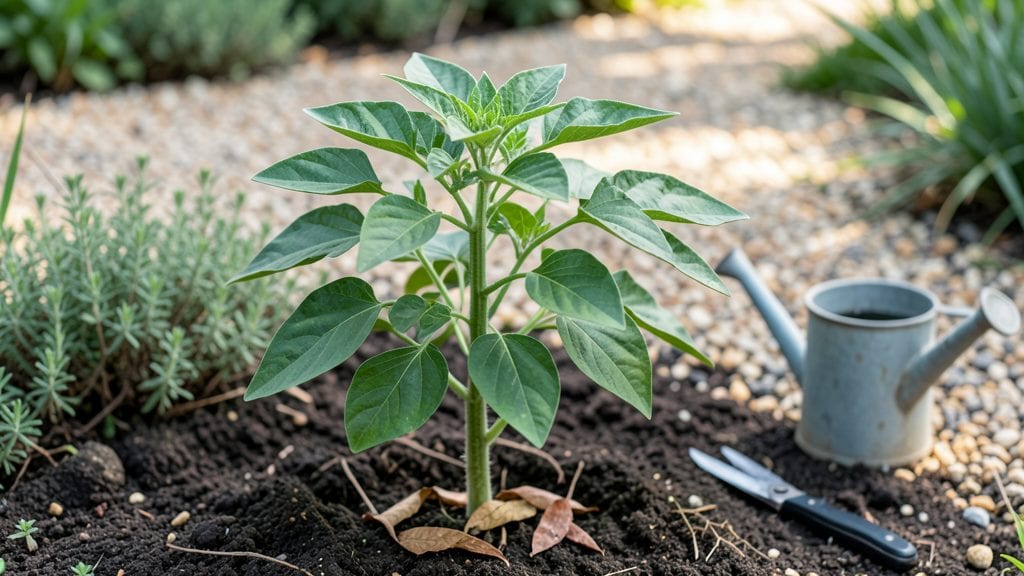
Pepper seedling leaves can become your garden’s secret weapon against pests—if you know how to use them. 🌱 I’ve watched my seedlings transform from wilted, chewed messes into thriving plants just by harnessing what nature already provides.
The key lies in understanding why those leaves react the way they do and how to turn their defenses into your garden’s armor.
Yellowing, spots, or wilting leaves aren’t just signs of trouble—they’re clues. Overwatering, fungal infections, or aphids all leave distinct marks, and each needs a different fix. My first mistake?
Ignoring the early warnings. Now, I prune strategically, adjust watering, and introduce companion plants to keep pests at bay before they start. The difference is night and day.
By the end of this, you’ll spot problems early and stop them before they spread. Your seedlings won’t just survive—they’ll thrive, with glossy leaves that repel pests naturally. The best part? No harsh chemicals, just smart gardening that works with your plants, not against them.
Works for bell peppers, jalapeños, or any variety you’re growing. Let’s get those seedlings back to their best—and keep them that way all season.
Root Causes Behind Leaf Issues
Understanding why your pepper seedling leaves develop problems—whether it’s yellowing, wilting, or discoloration—starts with identifying the underlying triggers. These issues often stem from environmental stress, nutrient imbalances, or biological threats. Below, we break down the key reasons your seedlings might be struggling, along with the science behind each one.
Pepper seedlings thrive in well-draining soil, but excess moisture can suffocate roots and trigger fungal infections like damping-off or root rot. Here’s why it happens:
- Oxygen Deprivation: Roots need oxygen to absorb nutrients. Waterlogged soil displaces oxygen, leading to anaerobic conditions that weaken seedlings and cause leaves to turn yellow or brown at the edges. - Fungal Growth: Moisture-loving pathogens like Phytophthora or Pythium thrive in soggy soil.
These fungi attack roots, blocking nutrient uptake and causing leaf wilting or stunted growth. - Nutrient Leaching: Overwatering flushes essential nutrients (like nitrogen, phosphorus, and potassium) out of the soil, leaving seedlings malnourished despite frequent watering.
Actionable Fix:
- Use well-draining pots (with drainage holes) and a lightweight potting mix (e.g., 60% peat moss, 30% perlite, 10% compost).
- Water only when the top inch of soil is dry—stick your finger in to check!
- Avoid saucers under pots unless they’re emptied daily to prevent water pooling.
Pepper seedlings are hungry for nutrients, especially during their first 4–6 weeks.
Deficiencies manifest as: - Yellowing leaves (chlorosis) from low nitrogen or iron/magnesium (common in alkaline soils). - Purple or red stems/leaves signaling phosphorus deficiency, which stunts root and shoot growth. - Brown leaf tips often point to potassium or calcium shortages, weakening cell structure.
Why It Happens:
- Young roots can’t access deep soil nutrients, so seedlings rely on seed reserves (which deplete quickly).
- Imbalanced fertilizers (e.g., too much nitrogen, too little micronutrients) create secondary deficiencies.
- Compacted or clay-heavy soil binds nutrients, making them unavailable to plants.
Actionable Fix:
- Start with a balanced starter fertilizer (e.g., 5-10-5 NPK ratio) diluted to half-strength.
- Side-dress seedlings with compost tea or a fish emulsion every 2 weeks for micronutrients.
- Test soil pH—peppers prefer 6.0–6.8. Amend alkaline soil with sulfur or peat moss to improve nutrient availability.
Even before leaves fully unfurl, tiny invaders can wreak havoc.
Common culprits include: - Aphids, Spider Mites, or Whiteflies: These sap-suckers inject toxins that cause yellowing, curling, or sticky honeydew (leading to sooty mold). - Fungal Spores: Wind or splashing water spreads powdery mildew (white dust) or early blight (target spots on leaves). - Herbivorous Insects: Cutworms or slugs chew leaves at night, leaving irregular holes or notches.
Why It Happens:
- Stressed seedlings (from overcrowding, poor light, or weak roots) are easier targets for pests.
- High humidity (above 70%) creates ideal conditions for fungal spores to germinate.
- Lack of beneficial predators (like ladybugs or nematodes) allows pests to multiply unchecked.
Actionable Fix:
- Inspect leaves daily under a magnifying glass for early signs (e.g., tiny webs, eggs, or chewed edges).
- Spray with neem oil (1 tsp per quart of water) or insecticidal soap for soft-bodied pests.
- Encourage biodiversity: Plant basil or marigolds nearby to repel pests naturally.
- Space seedlings 12+ inches apart to improve air circulation and reduce fungal spread.
Pepper seedlings are sensitive to temperature swings and light fluctuations.
Extreme conditions trigger: - Sunburn: Leaves turn white or crispy when exposed to direct midday sun after being shaded indoors. - Chilling Injury: Temperatures below 50°F (10°C) cause dark, water-soaked spots or stunted growth. - Heat Stress: Above 90°F (32°C), leaves wilt or scorch as photosynthesis slows.
Why It Happens:
- Transplant shock occurs when seedlings move from controlled indoor conditions to harsh outdoor elements.
- Inconsistent light (e.g., weak grow lights or south-facing windows) leads to leggy, weak stems prone to breakage.
- Wind or drafts dry out leaves faster than roots can replace moisture, causing edge browning.
Actionable Fix:
- Hardening off seedlings: Gradually expose them to outdoor conditions over 7–10 days (start with 1 hour/day in shade).
- Use shade cloth (30–50%) if planting in hot climates or peak summer.
- Maintain consistent temps: Keep seedlings between 65–80°F (18–27°C) day and night.
- Mulch with straw to regulate soil temperature and retain moisture.
Quick Fixes for Pepper Seedling Struggles
When your pepper seedling leaves show signs of distress—whether from pests, disease, or environmental stress—acting fast is key. Below are practical, garden-friendly solutions tailored to common issues, along with prevention tips to keep your seedlings thriving. No fancy tools or chemicals needed—just smart, natural fixes!
Cause: Chewed leaves, holes, or sticky residue (aphids, spider mites, or caterpillars). Fix:
- 🔥 Spray with Soapy Water – Mix 1 tsp mild dish soap (like Castile) + 1 quart water. Spray affected leaves early morning or evening (avoid direct sun). Repeat every 3–4 days until pests vanish.
- 🍳 Neem Oil Blast – Combine 1 tbsp neem oil + 1 tsp soap + 1 quart water. Shake well and spray undersides of leaves (where pests hide). Reapply weekly for prevention.
- 👨🍳 Handpick Heavy Infestations – For caterpillars or beetles, pluck them off and drop them in soapy water. Do this early in the day when pests are sluggish.
💡 Prevention Tip:
- 🌡️ Mulch with Dried Herbs – Sprinkle crushed basil, mint, or marigold around seedlings. Their strong scents repel pests naturally.
- ✨ Companion Plant – Interplant with nasturtiums or basil to distract pests away from peppers.
Cause: Overwatering, underwatering, or nutrient deficiency. Fix:
- 💧 Adjust Watering Habits –
- Overwatered? Let soil dry 1 inch deep before watering. Ensure pots have drainage holes.
- Underwatered? Water deeply at the base (not leaves) and add 2–3 inches of mulch to retain moisture.
- 🥗 Boost Nutrients – Use a balanced liquid fertilizer (5-5-5 or 10-10-10) diluted to half-strength. Feed every 2 weeks once true leaves appear.
- 🌿 Transplant if Needed – If roots are circling or soil is compacted, repot into a slightly larger container with fresh potting mix.
💡 Prevention Tip:
- 🎯 Test Soil Moisture – Stick your finger in the soil: if the top 1–2 inches are dry, it’s time to water. If soggy, wait.
- 🌱 Start with Well-Draining Soil – Mix 50% potting soil + 30% perlite + 20% compost for ideal drainage.
Cause: Dark spots, mold, or powdery coatings (powdery mildew, damping-off, or blight). Fix:
- 🔪 Prune & Toss Infected Leaves – Use sterilized scissors to trim damaged foliage. Dispose of clippings away from the garden (not compost).
- 🌡️ Baking Soda Spray – Mix 1 tsp baking soda + 1 quart water + a dash of soap. Spray leaves every 7–10 days to prevent mildew.
- 🍳 Hydrogen Peroxide Rinse – Use 3% food-grade H₂O₂ (1 tbsp per quart of water). Spray on leaves to kill fungal spores. Reapply after rain.
💡 Prevention Tip:
- ✨ Improve Airflow – Space seedlings 12–18 inches apart and avoid overcrowding.
- 🌿 Water at the Base – Never wet leaves when watering to reduce fungal growth.
Cause: Sudden heat or direct midday sun exposure. Fix:
- 🌿 Provide Shade Cloth – Use 30–50% shade fabric for 2–3 weeks if seedlings are young or transplanted in hot weather.
- 🍳 Mulch Heavily – Apply 3–4 inches of straw or grass clippings to keep roots cool.
- 🔄 Gradual Sun Hardening – If moving seedlings outdoors, acclimate them by placing in partial shade for 1–2 hours daily, increasing time over 5–7 days.
💡 Prevention Tip:
- 🎯 Choose the Right Time – Transplant seedlings early morning or late afternoon to avoid peak sun.
- 🌱 Select Heat-Tolerant Varieties – Try ‘Jalapeño’ or ‘Cayenne’ peppers, which handle heat better than delicate types.
If your pepper seedlings are severely damaged (e.g., 50%+ leaf loss), don’t give up yet: 1. 🌱 Trim Back – Cut healthy growth to redirect energy. Use clean scissors.
- 💧 Hydrate & Fertilize – Give a deep watering + diluted fish emulsion (1 tbsp per gallon) to rebuild strength.
- 🌿 Move to a Safe Spot – Relocate to a shady, pest-free area for 1–2 weeks to recover.
💡 Pro Tip:
- 🔥 Monitor Daily – Check seedlings morning and evening for new stress signs. Early action prevents permanent damage!
Remember: Most pepper seedling issues are preventable with consistent care. Once you spot a problem, act fast—but stay calm. Your seedlings are tougher than they look! 🌱💪
Frequently asked questions
Why are my pepper seedling leaves turning yellow?
Yellowing leaves usually signal overwatering or nutrient deficiencies. Check if the soil stays soggy for more than 24 hours—pepper seedlings need well-draining soil. If the yellowing starts between veins, it’s likely iron or magnesium deficiency. Try a balanced fertilizer (5-10-5 ratio) or compost tea to restore nutrients.
How do I know if my pepper seedling leaves have pests?
Look for tiny webs, sticky residue (honeydew), or small holes in leaves—common signs of aphids, spider mites, or caterpillars. Inspect the undersides of leaves with a magnifying glass. If you spot pests, spray with a soapy water solution (1 tsp dish soap per quart of water) or neem oil. Act fast to prevent spread!
Can I prune damaged pepper seedling leaves?
Yes! Prune only the severely damaged or diseased leaves with clean scissors. Avoid cutting more than 25% of the foliage at once to prevent stress. Sterilize your tools with rubbing alcohol to avoid spreading infections. Healthy leaves will help the seedling recover faster.
What’s the best way to harden off pepper seedlings before transplanting?
Start by placing seedlings outdoors in partial shade for 1–2 hours daily, increasing exposure over 7–10 days. Gradually move them to full sun while protecting them from wind. Harden them off early morning or late afternoon to avoid heat stress. This helps them adjust to outdoor conditions smoothly.
Are pepper seedling leaves safe to eat if they look healthy?
Yes! Young, healthy pepper seedling leaves are edible and packed with nutrients. Harvest them like microgreens—just snip the top 1–2 inches of growth. Avoid leaves from seedlings treated with chemical pesticides. For best flavor, use them in salads, pestos, or as a garnish.