Trees
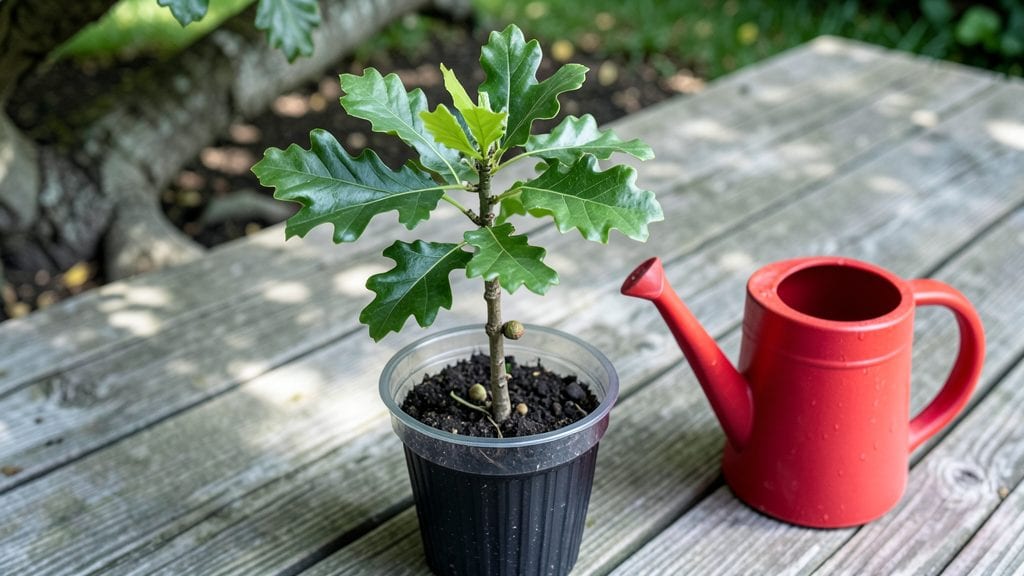
Caring for oak seedlings means giving them the head start they need to become towering giants—strong roots and all. 🌱 I’ve watched these stubborn little trees fight through drought, deer nibbles, and my own well-meaning (but sometimes heavy-handed) pruning, and they always bounce back.
The secret isn’t complicated: it’s about patience, soil, and knowing when to step back.
You’ll need well-draining soil mixed with compost, a sunny spot (at least 6 hours of light daily), and a watering can that won’t drown their delicate roots. Most beginners overwater, thinking seedlings need constant moisture—but oak roots rot fast in soggy soil.
Instead, aim for deep but infrequent watering, letting the top inch dry between drinks. Mulch helps too, keeping moisture in and weeds out.
By their second year, you’ll see real progress: thicker stems, deeper roots, and the first signs of that iconic oak leaf shape. Prune only to remove dead branches, and resist the urge to shape them like topiaries—oaks grow best when left to their own sturdy devices.
The payoff? A tree that’ll outlive you, provide shade for generations, and maybe even host a family of squirrels.
This works for red, white, or live oaks—just adjust watering for clay-heavy soils (drier) or sandy spots (more frequent). No fancy tools needed, just time and a little respect for their slow-but-steady nature. Let’s get those seedlings thriving!
📚 In This Guide
- What you need
- Instructions
- Tips and common mistakes
- Wrapping up and next steps
What you need
- ● Oak seedling: 1 healthy, disease-free seedling (1–3 feet tall, depending on age). Look for sturdy roots and vibrant leaves!
- ● Well-draining potting mix: 5–10 gallons (for container growing) or 1–2 cubic yards (for in-ground planting). Opt for a blend with perlite or sand (e.g., 60% soil, 30% compost, 10% perlite).
- ● Container (if potting): 1–2 large pots (10–15 gallons each) with drainage holes. Black plastic or fabric grow bags work well.
- ● Watering can or hose: With a gentle spray nozzle (avoid high pressure that can damage roots).
- ● Mulch: 2–3 inches of wood chips, straw, or pine needles (keep mulch 6+ inches away from the trunk to prevent rot).
- ● Fertilizer (balanced): 10–10–10 or 5–10–10 NPK ratio (use sparingly—½ tsp per gallon of water every 4–6 weeks in growing season).
- ● Pruning shears: Sharp, sterilized shears (for trimming dead branches or shaping).
- ● Garden gloves: 1 pair (to protect hands from thorns and rough bark).
- ○ Soil pH tester: Optional but helpful—oak seedlings prefer slightly acidic to neutral soil (pH 5.5–7.0).
- ● Root stimulator: A liquid or powder (like mycorrhizal fungi) to boost root growth during transplanting.
- ● Shade cloth: 30–50% coverage for young seedlings in hot climates (prevents stress).
- ● Tree collar: A protective barrier (e.g., plastic or metal guard) to shield the trunk from lawnmowers or pests.
- ● Drip irrigation system: For consistent moisture (especially in dry climates).
- ● Compost tea: Homemade or store-bought to enrich soil with beneficial microbes.
- ● Stake or support: 1–2 bamboo stakes + soft ties (for windy areas or top-heavy seedlings).
Step-by-Step oak seedling care for year-round survival
Here’s how to nurture resilient oak seedlings through every season—no guesswork, just science-backed growth.
🌱 Step 1: Plant in Well-Draining Soil with Proper Depth
Oak seedlings thrive in sandy loam soil with a pH between 5.0 and 7.0. Dig a hole twice as wide as the root ball but only as deep as the container’s base—burying too deep suffocates roots. I always loosen the soil at the bottom of the hole with a fork to encourage root spread.
Gently remove the seedling from its container and tease apart any circling roots. Place it in the hole so the top of the root ball sits level with the surrounding soil—never mound soil against the stem. This prevents rot while allowing roots to access moisture.
Backfill with the native soil, pressing lightly to eliminate air pockets. Water deeply until moisture reaches 6 inches down, then let it drain completely. Oak seedlings hate soggy feet, so ensure your planting site has good drainage—even a slight slope helps.
💧 Step 2: Water Deeply but Infrequently
Newly planted oak seedlings need 1-2 inches of water per week, but I deliver it all at once—deep watering every 5-7 days—to encourage deep root growth. Shallow, frequent watering keeps roots near the surface, making seedlings vulnerable to drought.
Check moisture by digging 2 inches down with a finger. If the soil feels dry, water again. If it’s still damp, wait. Overwatering is the fastest way to kill oak seedlings—yellowing leaves or mushy stems mean you’re drowning them.
Mulch with 3-4 inches of wood chips (never fresh mulch—it rots against the stem). Keep mulch 6 inches away from the trunk to prevent moisture buildup. This mimics forest conditions, where oak seedlings grow under a canopy of leaf litter.
☀️ Step 3: Provide Full Sun and Gradual Wind Exposure
Oak seedlings need at least 6 hours of direct sunlight daily, but I start them in partial shade for the first 2 weeks to reduce transplant shock. After that, move them to full sun gradually—1 extra hour per day—to harden their leaves.
Young oaks are sensitive to strong winds, which can desiccate leaves. If your seedlings are in an exposed area, stake them lightly with 3-foot bamboo stakes tied loosely with soft twine. This prevents uprooting without restricting growth.
Watch for scorched leaves in hot afternoons—a sign they need afternoon shade. If this happens, drape shade cloth (30%) over them for a few hours until they adjust. Mature oaks handle full sun, but seedlings need time to build resilience.
✂️ Step 4: Prune for Structure and Disease Prevention
Prune oak seedlings only when necessary—never for aesthetics. Remove dead, broken, or crossing branches at the base of the branch collar (the swollen area where the branch meets the trunk). Cutting into the collar invites disease.
If a seedling grows multiple leaders (vertical stems), choose the strongest, straightest one and remove the others at their base. Weak leaders compete for nutrients and create weak crotches later. I make cuts with clean, sharp pruners to prevent tearing bark.
Disinfect tools between cuts with 70% rubbing alcohol to prevent bacterial spread. Oak seedlings are prone to hypoxylon canker, a fungal disease that enters through wounds. Prune during dry weather to minimize risk.
⏰ Step 5: Winterize for Cold Hardiness
Oak seedlings handle Zone 4-9 winters, but young trees need protection. In first-year winters, wrap the trunk with tree guard (not plastic wrap—it traps moisture). Leave the top 6 inches unwrapped to prevent rot.
Mulch heavily (6 inches deep) around the base, but pull mulch back 6 inches from the trunk to avoid rodent damage. Water deeply before the first hard freeze to ensure roots are hydrated. Evergreen boughs draped over seedlings break wind and reduce winter burn.
Check seedlings in late winter for split bark or oozing sap—signs of frost crack. If you see damage, apply tree wound paint to seal minor cracks. Most oaks recover, but severe splits may require pruning in early spring.
Tips & tricks for perfect oak seedling care
These science-backed strategies will help you cultivate oak seedlings that thrive year-round with minimal fuss.
Soil Preparation Secret: Before planting, mix a handful of compost into the bottom of the hole to give roots a nutrient boost without overwhelming them. I also recommend testing your soil's pH—if it's outside the 5.0-7.0 range, amend with sulfur (to lower pH) or lime (to raise it) before planting. This ensures optimal nutrient uptake from the start.
Root System Strategy: When teasing apart circling roots in Step 1, focus on creating a loose, natural shape rather than forcing them outward. These roots will become your seedling's anchor, so gentle handling prevents damage. If you notice tightly wound roots, make small vertical cuts with a clean knife to encourage outward growth without shocking the plant.
Watering Wisdom: The deep watering technique in Step 2 works best with a soaker hose or drip irrigation system. These deliver water directly to the root zone without wetting the leaves, reducing fungal risks. I set a timer for every 5-7 days to maintain consistency—oaks hate irregular watering patterns that create shallow root systems. Always water in the morning to allow foliage to dry before evening.
Seasonal Transition: When moving seedlings from partial shade to full sun in Step 3, do it gradually over 2-3 weeks rather than the suggested 2-week minimum. This extra time helps prevent sunburn, especially on young leaves. I monitor seedlings during this period by checking for slight yellowing on leaf edges—this is their way of signaling they need more time to adapt.
Pro Tips for Oak Seedling Care
- These science-backed strategies will help you cultivate oak seedlings that thrive year-round with minimal fuss.
- Soil Preparation Secret: Before planting, mix a handful of compost into the bottom of the hole to give roots a nutrient boost without overwhelming them.
- Root System Strategy: When teasing apart circling roots in Step 1, focus on creating a loose, natural shape rather than forcing them outward.
Frequently asked questions
Got questions about nurturing your oak seedling?
You’re not alone! Here are answers to the most common concerns to keep your young tree thriving.
How often should I water my oak seedling?
Water deeply 2-3 times per week in the first year, ensuring the soil stays moist but not soggy. Once established (after 2-3 years), reduce to once a week or during dry spells. Mulch helps retain moisture—just keep it 2-3 inches away from the trunk to avoid rot.
When is the best time to plant an oak seedling?
Plant in early spring or fall (4-6 weeks before the first frost) for optimal root growth. Avoid summer heatwaves or winter freezes, as extreme temps stress young roots. If planting in spring, do it before buds swell for a smoother transition.
Why are my oak seedling’s leaves turning yellow?
Yellow leaves often signal overwatering, nutrient deficiency, or root rot. Check soil moisture—it should feel like a damp sponge, not mud. If roots smell foul or look mushy, repot in fresh, well-draining soil. Fertilize lightly with a balanced 10-10-10 mix in spring if growth stalls.
Can I grow an oak seedling from an acorn instead of buying one?
Yes! Collect mature acorns, remove the cap, and soak in water for 24 hours. Plant 1 inch deep in a pot with sandy soil, keeping it moist. Germination takes 4-6 weeks—be patient! However, nursery seedlings grow faster and have higher survival rates.
How do I protect my oak seedling from pests?
Watch for aphids, borers, or deer. Use neem oil for insects or wrap the trunk with hardware cloth if browsing is a risk. Prune damaged branches promptly and avoid over-fertilizing, which attracts pests. Healthy soil = resilient seedlings!
Wrapping up and next steps
Caring for oak seedlings is a rewarding journey that sets the foundation for a thriving, majestic tree! By providing the right balance of water, sunlight, and soil conditions, you’ll give your young oak the best chance to grow strong roots and flourish for decades.
Remember, patience and consistency are key—your efforts today will pay off in the long run.
Ready to take the next step? Monitor your seedling’s progress and adjust care as needed. Whether you’re planting a single sapling or expanding your garden, every little effort makes a difference. Happy growing! 🌱💚