Lawn
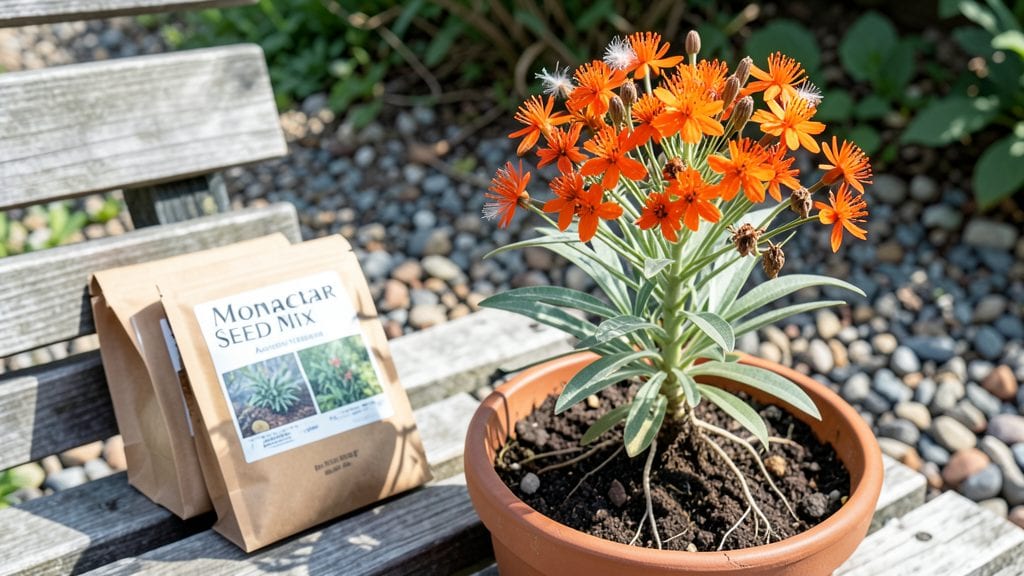
A monarch seed mix isn't just seeds—it's a lifeline for butterflies and a game-changer for your garden. I remember the first time I scattered this mix and watched caterpillars munch through the milkweed leaves like it was an all-you-can-eat buffet.
The key? A layered approach that mimics their natural habitat, ensuring those orange wings return year after year.
You’ll need a sunny spot with at least 6 hours of direct light daily, well-draining soil, and patience—these seeds thrive when they’re not rushed. Plant in early spring or late summer to give roots time to establish before frost.
Water gently but consistently; monarch plants hate soggy feet but love to drink. The secret weapon? A 3-inch layer of mulch to keep moisture in and weeds out.
By midsummer, you’ll see milkweed towers standing tall, their leaves a magnet for caterpillars and their flowers a nectar bar for adult butterflies. The air hums with wings, and your garden becomes a stopover on their migration route.
It’s not just about the butterflies—bees, hummingbirds, and other pollinators will throw a party in your yard too.
This mix works in containers, raised beds, or wild patches—no fancy setup required. Just clear some space, prep the soil, and let nature do the rest. The real magic happens when you see the first chrysalis appear, knowing you’ve played a part in their survival.
Ready to turn your garden into a butterfly highway?
📚 In This Guide
- What you need
- Instructions
- Tips and common mistakes
- Wrapping up and next steps
What you need
- ● Monarch-specific seeds: 1–2 lbs (or ~100–200 seeds per sq. ft.). Look for native milkweed varieties like Asclepias tuberosa (butterfly weed) or Asclepias syriaca (common milkweed).
- ● Native nectar plant seeds: ½–1 lb (e.g., Liatris spicata blazing star, Echinacea purpurea coneflower, or Rudbeckia hirta [black-eyed Susan]).
- ● High-quality potting soil or native seed mix: 5–10 gallons (sterilized to prevent disease).
- ○ Compost or organic fertilizer: 1–2 cups (optional but boosts growth).
- ● Watering can or hose with a gentle spray nozzle.
- ● Garden gloves (to protect your hands from prickly milkweed stems).
- ● Hand trowel or small rake (for planting seeds at the correct depth).
- ● Seed tray or biodegradable pots (for starting seeds indoors, if desired).
- ● Mulch (straw or shredded leaves) (1–2 inches to retain moisture).
- ○ Sunlight gauge or light meter (optional, to ensure 6+ hours of sun daily).
- ● A sunny location with full sun exposure (6+ hours/day). Monarchs thrive in warmth!
- ● Well-draining soil (amend with compost if your soil is heavy or clay-like).
- ● Patience! Monarchs may take 2–3 weeks to emerge from seeds.
- ● Local climate knowledge: Check your USDA hardiness zone to time planting (spring or early summer for most regions).
- ● Butterfly-friendly pesticides (neem oil or insecticidal soap to deter pests without harming pollinators).
- ● Drip irrigation system (for consistent moisture, especially in dry climates).
- ● Label markers (to track seed varieties and planting dates).
- ● Wildflower seed blend (add ¼ lb for extra diversity and color).
Step-by-Step instructions for growing a monarch-friendly seed mix
Here's how to create a thriving habitat that attracts monarchs and supports their lifecycle every season.
Select the Right Seed Mix and Prepare the Site
Choose a monarch seed mix that includes native milkweed varieties (like Asclepias tuberosa or Asclepias syriaca)—this is the only food source monarch caterpillars will eat. Avoid pre-packaged "wildflower" mixes unless they explicitly list milkweed. Clear the planting area of weeds, then loosen the soil to a depth of 4-6 inches with a garden fork. Monarchs thrive in full sun, so pick a spot that gets at least 6 hours of direct sunlight daily. If your soil is heavy clay, amend it with 2-3 inches of compost to improve drainage—monarchs hate soggy roots.
Spread a 1-inch layer of mulch (like shredded bark or straw) over the soil after planting. This keeps moisture consistent and deters weeds, which compete with milkweed for nutrients. I like to work in the early morning when the soil is cool—this gives young seedlings a better chance to establish before the heat of the day.
Plant Seeds at the Correct Depth and Spacing
Scatter seeds thinly across the prepared bed—¼ inch deep is ideal for most milkweed varieties. Press them lightly into the soil with your fingers or the back of a rake, but don’t bury them too deeply. Monarch seeds need light to germinate, and planting too deep delays sprouting. Space seeds 12-18 inches apart if you’re planting in rows, or let them grow naturally in a wildflower meadow style. Water gently with a fine mist until the soil is evenly moist but not saturated. Overwatering can wash seeds away or cause them to rot before they sprout.
Place a small marker (like a popsicle stick) near each planting spot to track germination progress. Monarch seeds can take 7-21 days to sprout, depending on temperature and moisture. If you’re planting in late summer or fall, some seeds may not germinate until the following spring—this is normal. Just keep the area weed-free until you see green shoots.
Maintain Moisture and Protect Young Plants
Water the area once or twice a week during the first growing season, aiming for 1 inch of water per week. Use a soaker hose or drip irrigation to deliver water directly to the soil—this prevents fungal diseases that can kill young milkweed plants. Avoid overhead watering, especially in the morning, as wet foliage encourages mildew. You’ll know the moisture is right when the top 1-2 inches of soil feel damp but not soggy.
Watch for weeds competing with your milkweed—pull them by hand when they’re small, as larger weeds steal nutrients and shade out young plants. If deer or rabbits are a problem in your area, consider installing a chicken wire fence around the planting area until the milkweed is established. Once the plants reach 12 inches tall, they’re less likely to be browsed.
Encourage Flowering for Monarch Visits
Milkweed flowers attract adult monarchs, so aim to have plants blooming from mid-summer through fall. If your milkweed isn’t flowering by its second year, it may need more sunlight or better-draining soil. Deadhead spent flowers in early fall to redirect the plant’s energy into root growth, which helps it survive winter. Leave some seed pods on the plant, though—they’ll provide food for monarch caterpillars the following season.
To boost pollinator visits, plant companion flowers like bee balm, coneflowers, or goldenrod nearby. These plants extend the blooming season and offer nectar for adult monarchs. Avoid pesticides entirely—even "organic" sprays can harm monarchs and their caterpillars. If you must control pests, handpick caterpillars of non-native species (like cabbage worms) and relocate them to a different part of your garden.
Prepare for Overwintering and Next Year’s Growth
In late fall, cut back dead foliage but leave the seed pods intact. These provide shelter for monarch eggs and chrysalises over winter. If your milkweed is in a pot, move it to a sheltered spot before the first hard frost. Mulch heavily around the base with 3-4 inches of straw or leaves to insulate the roots. Milkweed is surprisingly cold-hardy, but extra protection helps young plants survive their first winter.
Come spring, remove the mulch and check for any surviving monarch eggs or chrysalises. If you find them, leave them be—monarchs are sensitive to disturbance at this stage. Water lightly in early spring to encourage new growth, and watch for the first flush of milkweed leaves. With proper care, your planting will support monarchs for years to come, making your garden a true butterfly haven.
Tips & tricks for perfect monarch-friendly seed mix planting
Creating a thriving monarch habitat takes patience and precision—here's how to maximize your success with every step.
Soil Prep is Everything: In Step 1, take extra time to loosen that soil to a full 4-6 inches. Monarch roots need room to breathe, and compacted soil can stunt growth. If your soil is heavy clay, mix in that 2-3 inches of compost thoroughly—don't just sprinkle it on top. I've seen milkweed struggle in amended soil that wasn't fully incorporated. Think of it like making a fluffy cake batter—proper mixing makes all the difference.
Timing Your Planting: The 7-21 day germination window in Step 2 can be tricky. For fastest results, plant in early spring when soil temperatures reach at least 60°F. If you're planting in late summer, be patient—those seeds might not sprout until next spring, but that's perfectly normal. I've had seeds wait until spring and still grow into healthy plants. The key is keeping the area weed-free during that waiting period.
Watering Wisdom: During the first growing season, those once or twice weekly waterings in Step 3 require precision. Use your finger to check moisture—top 1-2 inches should feel damp, not wet. I've ruined milkweed patches by overwatering, which causes root rot. A soaker hose is your best friend here, delivering water right where the roots need it without wetting the leaves.
Companion Planting Boost: When you plant those companion flowers in Step 4, choose varieties that bloom at different times. This creates a continuous nectar buffet for monarchs from early summer through fall. I've had great success with bee balm and coneflowers—just make sure they're pesticide-free. Even "organic" sprays can harm monarchs, so skip them entirely if possible.
Pro Tips for Monarch Seed Mix
- Creating a thriving monarch habitat takes patience and precision—here's how to maximize your success with every step.
- Soil Prep is Everything: In Step 1, take extra time to loosen that soil to a full 4-6 inches.
- Timing Your Planting: The 7-21 day germination window in Step 2 can be tricky.
Frequently asked questions
When is the best time to plant monarch seed mix?
The ideal window is late summer to early fall (August–October in most U.S. zones). This gives seeds time to germinate before winter dormancy, then bloom early next spring when monarchs migrate north. If you miss this, plant again in early spring (March–April). Avoid late fall planting—frost can kill tender seedlings!
How long does it take for monarch seed mix to grow?
Germination takes 10–21 days (depending on warmth and moisture), but full blooms appear in 6–8 weeks. Patience is key! Start with small test patches if you’re eager to see results sooner. Pro tip: Use a seedling heat mat if your spring is chilly.
What if I see no butterflies after planting?
Don’t panic! Monarchs need 3 key things: milkweed (for eggs), nectar flowers (your seed mix), and sunlight. If you planted only nectar blends, add milkweed seeds nearby. Also, check for pesticides—even "organic" sprays can harm butterflies. Try planting near a water source to attract them faster.
Can I use monarch seed mix in containers or small spaces?
Choose compact varieties like Lantana or Coneflower for pots (6"+ depth). Use lightweight potting mix with slow-release fertilizer, and place containers in full sun. Just ensure pots have drainage holes—monarchs hate soggy roots! Hang feeders nearby to boost their stay.
Is monarch seed mix worth the investment?
Yes—if you value ecosystem impact! A $10–$20 bag (covering ~50 sq ft) supports thousands of butterflies over years. For cost savings, mix seeds with native wildflowers from local nurseries. Even a small garden makes a difference; monarch populations dropped 90% in 20 years—your patch could help reverse that!
Wrapping up and next steps
Planting a monarch seed mix is your ticket to transforming your garden into a vibrant butterfly haven—one that supports these iconic pollinators while adding beauty to your outdoor space! 🦋 With the right blend of native seeds, proper layering, and a little patience, you’ll create a thriving ecosystem that benefits both wildlife and your landscape.
Ready to take action? Start by ordering your mix today, then mark your calendar for early spring planting to give those tiny wings a head start!
🌱 Your Next Step:
- Order seeds from a trusted supplier (like Native American Seed or Wildflower Farm).
- Prep your site—clear weeds, loosen soil, and sketch a simple layout if needed.
- Plant with purpose and watch your garden bloom into a monarch magnet in just a few months!