
Size
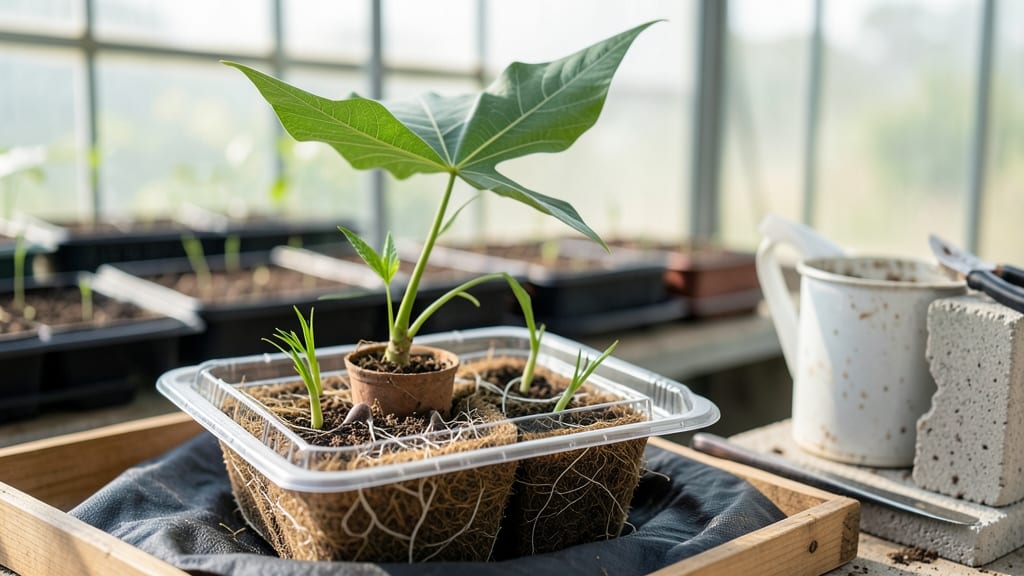
Growing palm seeds into towering tropical trees starts with patience and a damp paper towel. 🌱 I’ve watched tiny seeds crack open after months of waiting, and every sprouted shoot feels like a victory—especially when you consider the 20-foot giant it could become.
The key isn’t rushing; it’s creating the right conditions where nature does the heavy lifting.
You’ll need just three things: a ripe seed (or a store-bought one with a high germination rate), a warm spot (75–85°F), and a light planting mix. Most people overlook humidity—palm seeds need it like a desert needs rain.
A clear plastic bag over the pot keeps moisture in without drowning the seed. Germination can take anywhere from 2 weeks to 6 months, so don’t give up if nothing happens fast.
Once that first green shoot breaks through, you’ll feel a rush of excitement—like witnessing a tiny miracle. The seedling’s first leaves are delicate, so keep it in bright, indirect light and water only when the top inch of soil feels dry.
In 6–12 months, you’ll transplant it outdoors (if your climate allows), where it’ll slowly stretch toward the sky.
This isn’t a quick project, but the payoff—standing under your own palm years later—makes every month of waiting worth it. Here’s how to set it up right the first time.
📚 In This Guide
- What you need
- Instructions
- Tips and common mistakes
- Wrapping up and next steps
What you need
- ● Fresh palm seeds: 1–3 seeds (ensure they’re firm, plump, and free of cracks or mold).
- ● Well-draining potting mix: 2–3 gallons (use a blend of coconut coir, perlite, and peat moss for aeration).
- ● Small pots or seed trays: 2–4 (4–6 inches deep) with drainage holes.
- ● Watering can or spray bottle: For gentle hydration (avoid over-saturating).
- ● Clear plastic wrap or humidity dome: To retain moisture during germination.
- ● Grow lights or sunny windowsill: A warm, bright spot (70–85°F) is ideal.
- ● Seed scarifier or sandpaper: Lightly rough up the seed coat to speed up germination.
- ● Fungicide: A pinch (like cinnamon powder or hydrogen peroxide) to prevent rot.
- ● Thermometer: To monitor soil temperature (palms love warmth!).
- ● Fertilizer (low-nitrogen): A balanced 5-5-5 or organic option once seedlings sprout.
- ● Larger container: 1–2 (10+ inches deep) for transplanting after 6–12 months.
Step-by-step instructions for growing palm seeds indoors
Turn those tiny palm seeds into lush tropical trees with this foolproof method.
🌱 Step 1: Extract and Prepare the Seeds
Start by carefully removing the seed from its fibrous husk. Palm seeds are encased in a thick, brown outer layer—gently peel it away to expose the hard, nut-like seed inside. Don’t rush this; I’ve cracked seeds by being too aggressive. Use a sharp knife to score around the edges if needed, then twist to separate the layers.
Once exposed, soak the seed in warm water for 24-48 hours. This softens the shell and kickstarts germination. Change the water halfway through to prevent mold. You’ll know it’s ready when the seed feels slightly softer and the water turns cloudy—this means the seed is absorbing moisture and preparing to sprout.
💧 Step 2: Plant in Moist, Well-Draining Soil
Fill a small pot—4-6 inches deep—with a mix of 50% potting soil and 50% perlite or coarse sand. This ensures drainage while retaining enough moisture. Plant the seed 1 inch deep, with the pointed end facing upward. Press the soil lightly around it to secure it without compacting.
Water gently until the soil feels damp but not soggy. Place the pot in a warm, humid environment, like a greenhouse or a sealed plastic bag with holes for airflow. Keep the soil consistently moist—never let it dry out—but avoid waterlogging. A humidity tray (a shallow tray with pebbles and water) helps maintain the right conditions.
☀️ Step 3: Provide Warmth and Indirect Light
Palm seeds thrive in 75-85°F temperatures. Place the pot near a south-facing window where it gets bright, indirect light. Direct sun can scorch the seedling, so if leaves start yellowing, move it back a few inches. If your home runs cooler, a heat mat set to 70-75°F can speed up germination.
Germination can take 4-12 weeks, depending on the species and conditions. Patience is key—don’t disturb the soil or move the pot during this time. You’ll see the first sign of life when a tiny sprout pushes through the soil. Once the sprout reaches 2-3 inches tall, it’s time to transition to a larger pot and more light.
🌿 Step 4: Transplant and Care for Young Seedlings
When the seedling has 3-4 true leaves (not just the initial sprout), repot it into a 6-8 inch container with fresh potting mix. Handle the roots gently—palm seedlings are delicate. Water thoroughly after transplanting to help the roots settle.
Continue keeping the soil moist but well-drained. Gradually introduce it to more sunlight, increasing exposure over 1-2 weeks to avoid shock. Fertilize lightly with a balanced liquid fertilizer (diluted to half strength) every 2 months once the seedling is established. Avoid over-fertilizing—palms are sensitive to salt buildup.
⏰ Step 5: Maintain Long-Term Growth
As your palm grows, repot it every 2-3 years or when roots circle the pot. Choose a container just 1-2 inches larger than the current one to avoid overwhelming the root system. Prune yellow or damaged fronds to encourage new growth, but never cut more than 1/3 of the fronds at once.
Palms love humidity, so mist the leaves occasionally or place the pot on a pebble tray with water. If you notice brown tips on the fronds, it’s a sign of low humidity or underwatering. Adjust care accordingly—palms are forgiving but need consistency. With time, your tiny seedling will grow into a stunning tropical tree.
Tips & tricks for perfect palm seed germination
Here's what nobody tells you about turning those stubborn palm seeds into thriving tropical trees.
Soak Smarter: The 24-48 hour soak is your seed's wake-up call, but timing matters. I've found that changing the water after exactly 24 hours makes all the difference—this prevents mold buildup while keeping the seed hydrated. Look for that cloudy water as your signal it's ready for planting. Pro tip: Use filtered water if yours is heavily chlorinated, as chlorine can inhibit germination.
Temperature Matters: Those 75-85°F temperatures aren't just suggestions—they're critical for breaking seed dormancy. If your home runs cooler, invest in a small heat mat (set to 70-75°F) for just the germination phase. I've seen seeds that took 12 weeks to sprout in cool conditions versus 4 weeks with proper warmth. Place your thermometer near the soil surface for accurate readings.
Planting Position: That pointed end facing up isn't just tradition—it's science. The embryonic shoot grows from the top, so planting with the point down can leave you waiting forever. When planting 1 inch deep, use your finger to make a small hole just wide enough for the seed. Press the soil gently around it to create good contact without compacting.
Humidity Hack: Creating that warm, humid environment is easier than you think. I use a clear plastic bag with holes punched in the sides—it traps humidity while allowing airflow. Place the pot on a tray with pebbles and water underneath for extra moisture. Check daily to prevent condensation buildup, which can cause rot. This simple setup mimics the tropical conditions palm seeds crave.
Pro Tips for Grow Palm Seeds
- Here's what nobody tells you about turning those stubborn palm seeds into thriving tropical trees.
- Soak Smarter: The 24-48 hour soak is your seed's wake-up call, but timing matters.
- Temperature Matters: Those 75-85°F temperatures aren't just suggestions—they're critical for breaking seed dormancy.
Frequently asked questions
Got questions about growing palm seeds? You’re not alone—this process can feel tricky at first! Here are some of the most common queries (and their answers) to help you succeed.
How long does it take for a palm seed to sprout?
Patience is key! Most palm seeds take 4–12 weeks to sprout, depending on the species, warmth, and moisture. Some tropical palms (like Cocos nucifera) may sprout faster, while others take months. Keep the soil consistently moist and warm (70–85°F) to speed things up.
What if my palm seed never sprouts?
Don’t give up just yet! If your seed hasn’t sprouted after 3–4 months, it may be dormant or non-viable. Try these fixes:
- Check viability: Soak the seed in warm water for 24 hours—if it sinks, it’s likely still alive.
- Adjust conditions: Increase humidity (use a plastic bag or humidity dome) or raise the temperature slightly.
- Try stratification: Some palms benefit from a short cold period (4–6 weeks in the fridge) to break dormancy.
Can I grow a palm seed indoors?
Many dwarf or small palms (like Chamaedorea or Rhapis) thrive indoors with bright, indirect light. For larger palms, start them indoors in a sunny spot (south-facing window) and transplant outdoors once they’re 1–2 feet tall. Use a grow light if natural light is limited.
How fast will my palm tree grow?
Growth speed varies wildly—some palms grow 1–2 feet per year, while others (like oil palms) can shoot up 10+ feet in ideal conditions. Dwarf palms grow slower (6–12 inches/year), while tropical giants need space and warmth. Fertilize lightly (every 2–3 months) and keep soil moist but well-draining for the best results.
What’s the easiest palm seed to grow for beginners?
If you’re new to palm growing, start with these low-maintenance options:
- Pycnocoma (African dwarf palm): Fast-growing, cold-hardy, and great for containers.
- Chamaedorea elegans (Parlor palm): Thrives indoors and tolerates low light.
- Cocos nucifera (Coconut palm): Dramatic but needs warmth—ideal for coastal climates.
Wrapping up and next steps
Growing palm seeds into lush tropical trees is a rewarding journey that blends patience, care, and a touch of green thumb magic! 🌱 By following the right steps—from soaking and planting to nurturing your seedlings—you’ll unlock the joy of watching nature’s wonders unfold right in your own space. Now that you’re armed with the know-how, why not start your palm adventure today? Grab those seeds, pick a sunny spot, and let your tropical oasis begin!
🌟 Next Steps:
- Pick your palm variety—whether it’s a dwarf palm for indoor charm or a towering coconut palm for outdoor drama.
- Monitor and adjust—keep an eye on moisture, light, and growth, and tweak as needed.
- Share your progress! Snap photos and celebrate each milestone with fellow plant lovers.