How To
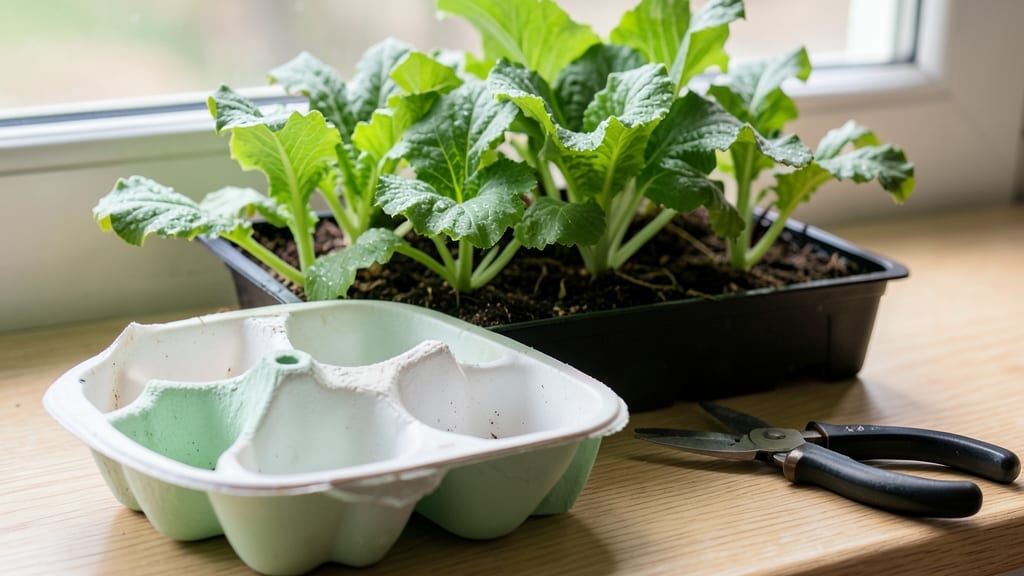
You can use egg cartons to start seeds—this method is eco-friendly and budget-friendly, perfect for small plants like basil, spinach, or marigolds. Simply cut the carton into individual cells, add potting mix, plant seeds, and maintain moisture until sprouts appear. Handle seedlings gently during transplanting to protect delicate roots.
Egg cartons create a natural, biodegradable growing environment that reduces transplant shock when moving seedlings outdoors.
The built-in drainage holes prevent soggy soil, while the sturdy structure shields tender sprouts from harsh conditions. 🌱 I’ve found this method especially effective for delicate herbs like parsley or fast-growing flowers such as zinnias—their shallow root systems thrive in the compact carton cells.
Just avoid overwatering, as the small compartments dry out quicker than larger pots.
For best results, opt for paper egg cartons—they break down completely in soil, unlike plastic versions. If you’re starting larger seeds like beans or peas, consider using the bottom half of the carton for extra depth.
Always transplant seedlings with their carton intact to minimize root disturbance, then gently remove the carton once established in the garden. This simple trick saves money and reduces waste while giving your plants a head start!
💡 In This Article
- How Egg Cartons Support Seedling Growth
- Best Egg Carton Seed Starting Tips for Beginners
How egg cartons support seedling growth
The key advantage of using egg cartons lies in their biodegradable structure, which mimics natural seedling protection. Paper cartons break down completely in soil, eliminating the need for pot removal during transplanting. This reduces transplant shock—a common issue where seedlings struggle when moved from containers to garden beds.
The carton’s fibrous texture also provides gentle root support, similar to how organic mulch protects emerging sprouts in wild environments.
Drainage is another critical benefit. Each carton cell has built-in holes that prevent waterlogging—soil saturation can suffocate roots and promote fungal growth. Unlike solid plastic pots, these holes allow excess moisture to escape while maintaining optimal humidity around 60-70% relative humidity, ideal for germination.
For comparison, traditional plastic pots often require manual drainage holes, while ceramic pots can dry out too quickly. The carton’s 1-2 inch depth per cell also matches the shallow root systems of herbs and leafy greens perfectly.
What most gardeners don’t realize is how the carton’s modular design creates microclimates. Each cell acts as an individual growing chamber, preventing cross-contamination between different seed varieties. This isolation reduces competition for nutrients and space, giving delicate seedlings like basil or lettuce the head start they need.
The carton’s textured surface also provides slight traction for seedlings, preventing them from toppling over when watered—something plastic pots can’t replicate.
Moisture retention works differently than in traditional pots too. Paper cartons absorb and release water gradually, similar to coco coir or peat moss. This passive irrigation system keeps soil consistently damp without requiring frequent watering.
For example, a carton cell retains moisture 24-48 hours longer than a plastic pot of the same size, reducing the risk of drought stress in seedlings. The carton’s porous nature also allows for better gas exchange, preventing the anaerobic conditions that lead to root rot.
Consider this comparison: A standard 6-pack plastic cell holds ~1.5 cubic inches of soil, while an egg carton cell provides ~1 cubic inch—just enough for small seeds. The difference?
Plastic cells trap heat, potentially raising soil temperatures to 85°F+ in sunlight, while paper cartons stay cooler (75-80°F), preventing seed scorch. This temperature regulation is crucial for heat-sensitive varieties like carrots or radishes, which germinate best at 70-75°F.
For advanced gardeners, the carton’s structure can be further optimized. Cutting the bottom off each cell creates a self-watering reservoir—place the carton in a shallow tray of water, and capillary action keeps roots hydrated.
This method works especially well for succulents or cacti, though they require less frequent watering. The carton’s compostable nature also makes it ideal for square-foot gardening, where space efficiency is key.