Transplanting
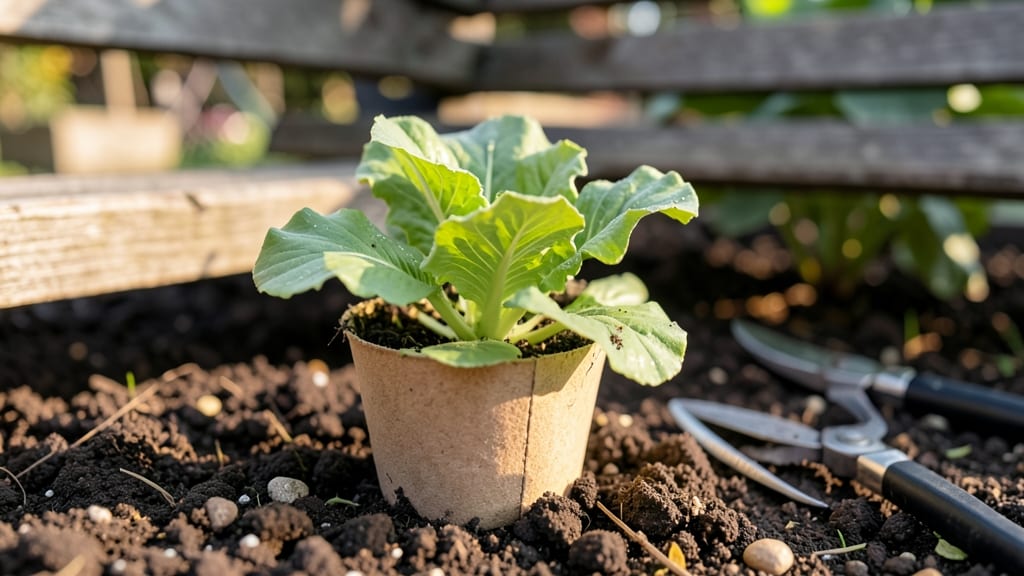
Transplanting germinated seeds at the right time is the difference between a thriving garden and a wilted disappointment—and most gardeners get it wrong.
Transplanting germinated seeds 🌱 too early or too late can shock delicate seedlings—and send your gardening dreams up in smoke. The right timing depends on soil temperature, plant type, and environmental cues, but most gardeners miss the critical window.
If you’ve ever watched your seedlings shiver under a late frost or bolt into flower too soon, you know how quickly things can go wrong. The key is checking soil warmth, hardening off seedlings, and matching your plants to their ideal transplant window.
In this guide, I’ll walk you through the exact soil temperatures for different plants, how to tell when seedlings are ready, and the step-by-step hardening process to ensure your transplants take root without stress.


Optimal soil temperature ranges for transplanting germinated seeds by plant type
Soil temperature is the single most critical factor when transplanting germinated seeds—too cold stalls growth, while overheated soil burns delicate roots. Most gardeners focus on air temperature, but root-zone warmth determines survival rates.
For example, cool-season crops like lettuce thrive at 45-65°F (7-18°C), while warm-season plants like tomatoes need 70-85°F (21-29°C) to thrive post-transplant.
Your USDA hardiness zone also dictates timing. In Zone 5-6, wait until after the last frost (typically late April-early May) when soil warms to 50°F (10°C) for most vegetables. Meanwhile, Zone 8-10 gardeners can transplant warm-season crops as early as February if soil stays above 60°F (15°C).
Ignoring these ranges leads to transplant shock, where seedlings wilt or fail to establish.
Common mistakes include transplanting into cold soil after a warm spell or assuming air temperature matches soil temperature. A soil thermometer is your best tool—check 2-4 inches deep, where roots will grow.
For instance, peppers planted in 55°F (13°C) soil will struggle, even if daytime air hits 70°F (21°C). Always prioritize root-zone warmth over air conditions.
Here’s how to test soil readiness before transplanting: 1. Use a soil thermometer for 3 consecutive days. 2. Compare readings to your plant type’s ideal range (see table below). 3. If soil is too cold, use black plastic mulch or row covers to warm it faster.
4. For warm-season crops, wait until soil stays consistently warm for 5+ days.
Transplant shock often occurs when seedlings outgrow their containers but face unideal soil temps. For example, basil seedlings with 4-6 true leaves need 65°F+ (18°C+) soil to avoid stunted growth.
Similarly, broccoli can handle 40°F (4°C) soil but will bolt if stressed by heat waves. Always match seedling maturity to soil conditions.
🌱
| Plant Type | Ideal Soil Temp (°F/°C) | Min Viable Temp (°F/°C) | Hardening-Off Days | Common Mistakes |
|---|---|---|---|---|
| Cool-Season Crops (Lettuce, Spinach, Kale) | 45-65°F (7-18°C) | 35°F (2°C) | 5-7 days | Transplanting too early (risk of frost) |
| Warm-Season Crops (Tomatoes, Peppers, Basil) | 70-85°F (21-29°C) | 55°F (13°C) | 7-10 days | Planting in cold soil (stunted growth) |
| Root Vegetables (Carrots, Beets, Radishes) | 50-70°F (10-21°C) | 40°F (4°C) | 3-5 days | Overheating soil (deforms roots) |
| Herbs (Parsley, Cilantro, Dill) | 55-75°F (13-24°C) | 45°F (7°C) | 5 days | Transplanting at night (chilling stress) |
| Flowers (Marigolds, Petunias, Snapdragons) | 60-75°F (16-24°C) |
5 Signs your germinated seeds are ready for transplanting (beyond soil temp)Soil temperature is just one piece of the puzzle when deciding when to transplant germinated seeds. While it’s crucial, overlooking seedling maturity, environmental cues, and plant-specific traits can lead to weak, struggling plants. I’ve learned the hard way that transplanting too early results in stunted growth, while waiting too long risks overcrowded trays and leggy seedlings. Let’s focus on five key indicators that tell you—beyond soil temp—your seedlings are ready for their outdoor adventure. First, pay attention to the leaf count and leaf structure. Most seedlings should have 2-4 true leaves (not just the initial cotyledons) before transplanting. For example, tomato and pepper seedlings typically need 3-4 true leaves to handle transplant shock, while lettuce can go earlier with just 2. Dark green, sturdy leaves indicate healthy chlorophyll production and energy reserves for the transition. If leaves look pale or yellowing, your seedlings need more time indoors. Next, check the root system by gently removing the seedling from its container. If roots are crowded and circling the bottom, it’s a sign they’ve outgrown their space and need room to expand in the garden. For herbs like basil or flowers like marigolds, roots should fill at least half the container. Healthy roots should also be white or light tan—dark, mushy roots mean overwatering or disease, and you’ll need to address those issues before transplanting. Don’t ignore the day length and light exposure your seedlings have experienced. If you’ve been growing them under grow lights or near a south-facing window, they may not be fully acclimated to natural sunlight. Seedlings ready for transplant should have spent at least 10-14 days under conditions that mimic their future outdoor environment. For instance, cool-season crops like broccoli can handle shorter days, but warm-season plants like cucumbers need longer daylight hours to thrive. Humidity levels indoors often differ drastically from outdoor conditions, and this can stress seedlings. If your seedlings have been in a humid indoor environment (like a greenhouse or kitchen windowsill), they may struggle with dry outdoor air. Look for seedlings that have thickened stems and smaller, waxier leavescrispy or curled at the edges, they’re not ready yet and need more time to harden off. Finally, consider the weather forecast and microclimate of your garden. Even if your seedlings meet all the other criteria, a heatwave or cold snap can derail their transition. For example, zones 5-7 should wait until after the last frost date (typically mid-April to early May), while zones 8-10 can start transplanting as early as February. Always have a backup plan, like row covers or a cold frame, for the first few nights after transplanting. 🌱 5 Signs Your Seedlings Are Ready to Transplant
Pro Tip: Use a seedling heat mat for cool nights to extend your transplanting window. To avoid common mistakes, create a simple transplant readiness checklist before moving seedlings outdoors. For instance, I always test my pepper seedlings by gently tugging on them—if they resist, their roots are strong enough. Another trick is to water seedlings deeply 24 hours before transplanting to reduce shock. Remember, herbs like dill and flowers like zinnias are more forgiving, while delicate veggies like eggplants need extra care during the transition. Transplanting at the right time sets the stage for a thriving garden. By focusing on these five key signs, you’ll give your seedlings the best chance to establish strong roots and grow into healthy, productive plants. And when you see those first new leaves popping up after transplanting, you’ll know you’ve done it right! 🌿 |