Plants
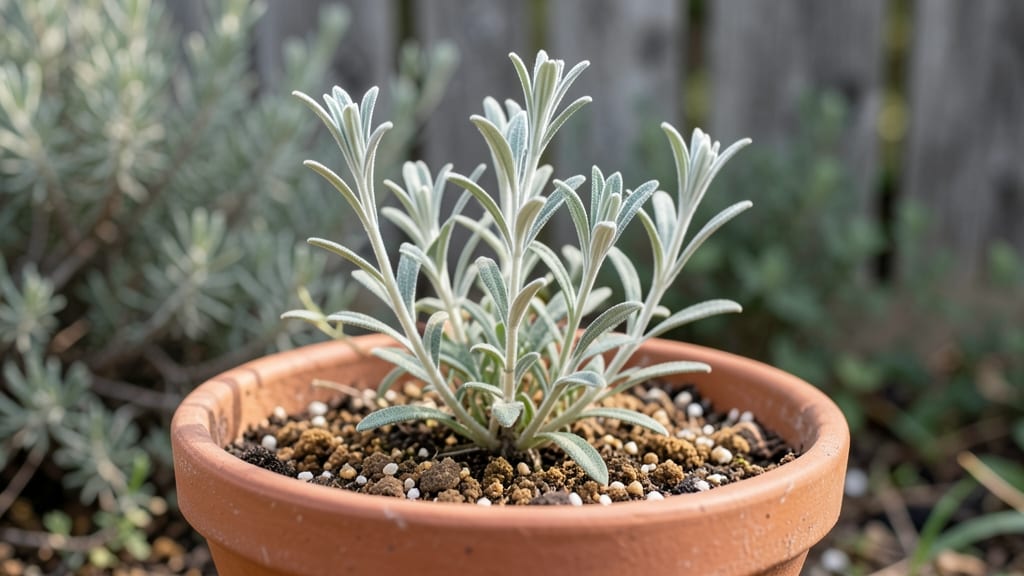
Lavender seedling leaves turning yellow, brown, or crispy? That’s your plant screaming for help—and I’ve helped dozens of seedlings bounce back from the same issues. The key isn’t guessing what’s wrong; it’s spotting the clues in the leaves and acting fast.
Overwatering, pests, or even too much shade can turn those silvery-green leaves into sad, brittle messes in days.
Most problems start with water. Lavender roots hate soggy soil—they rot faster than a forgotten sandwich in summer heat. Check the soil: if it’s damp just an inch down, you’re overdoing it.
Drooping leaves? That’s thirst, not drowning. And those tiny white specks? Spider mites love lavender, and they’ll suck the life out of tender new growth if you ignore them.
Here’s the game-changer: prune the damaged leaves immediately with clean scissors, then adjust your watering to once a week (or less in winter). A light dusting of neem oil stops pests dead in their tracks. Within weeks, your seedlings will shoot out fresh, fragrant stems—thicker, stronger, and ready to bloom.
This works for both container-grown lavender and in-ground seedlings, whether you’re in Zone 5 or 9. The secret? Pay attention to the leaves—they’re your plant’s only way of saying, “Fix this, or I’m out.” Let’s turn those sad stems into a thriving, fragrant hedge.
Root Causes of Leaf Stress
Understanding why your lavender seedling leaves may be struggling starts with recognizing the environmental and biological triggers that disrupt their health. Lavender, while hardy, is sensitive to specific growing conditions—especially when young.
Below, we break down the key culprits behind leaf issues, from overwatering to pest attacks, with clear science-backed explanations.
Lavender seedlings hate soggy roots—their native Mediterranean habitat thrives on dry, well-draining soil.
When roots sit in waterlogged conditions, they suffocate, leading to: - Yellowing leaves (chlorosis) from oxygen deprivation. - Mushy stems due to fungal infections like Phytophthora. - Stunted growth as roots prioritize survival over nutrient uptake.
Why it happens:
- Compacted or clay soil traps excess moisture, preventing roots from breathing.
- Lack of drainage holes in pots forces water to pool at the bottom.
- Frequent watering (especially without checking soil moisture) drowns tender seedlings.
Actionable fix: 🔹 Use fast-draining mixes (60% potting soil + 30% perlite + 10% coarse sand). 🔹 Water only when the top 1–2 inches of soil are dry—stick your finger in to test! 🔹 Elevate pots on gravel or saucers to prevent waterlogging.
While lavender tolerates drought, severe dehydration in seedlings causes:
- Brown, crispy leaf edges (necrosis) from cell damage.
- Wilting as turgor pressure drops.
- Leaf drop to conserve moisture.
Why it happens:
- High temperatures (above 85°F/30°C) increase transpiration rates faster than roots can absorb water.
- Shallow root systems in young seedlings mean they can’t reach deep moisture reserves.
- Plastic pots retain less moisture and overheat soil, accelerating stress.
Actionable fix: 🔹 Mulch lightly with gravel (not organic mulch) to retain soil moisture. 🔹 Water deeply but infrequently—aim for 1–2 inches of water per week (more in extreme heat). 🔹 Use terracotta pots to wick away excess moisture and regulate temperature.
Lavender is a light feeder, but seedlings may show signs of deficiencies if soil lacks:
- Nitrogen (N) → Pale, yellow leaves (older leaves first).
- Phosphorus (P) → Purple stems/leaves (slow root growth).
- Potassium (K) → Weak stems, brown leaf tips (poor disease resistance).
- Micronutrients (iron, magnesium) → Yellowing between veins (interveinal chlorosis).
Why it happens:
- Over-fertilized soil (especially with nitrogen) burns roots, causing leaf scorch.
- Alkaline soil (pH >7.5) locks out iron/manganese, leading to yellowing.
- Poor-quality soil lacks organic matter to slowly release nutrients.
Actionable fix: 🔹 Test soil pH—aim for 6.5–7.5; amend with sulfur if too alkaline. 🔹 Use balanced, slow-release fertilizer (5-10-10) once in spring, diluted to half strength. 🔹 Add compost tea or worm castings for micronutrients without burning roots.
Young lavender leaves are vulnerable to pests and pathogens that thrive in stressed plants:
- Aphids/Spider Mites → Sticky residue (honeydew), curled leaves, white webbing.
- Fungal Leaf Spot (Alternaria or Septoria) → Dark spots with yellow halos.
- **Root Rot (Fusarium or Pythium) → Sudden wilting, blackened stems at soil line.
Why it happens:
- High humidity (above 70%) encourages fungal spores to germinate.
- Weak seedlings (from overwatering or poor light) attract pests.
- Contaminated soil/tools spread pathogens between plants.
Actionable fix: 🔹 Inspect leaves daily—remove affected foliage immediately. 🔹 Spray with neem oil (1 tsp/quart water) for pests; repeat weekly. 🔹 Improve airflow by spacing seedlings 12+ inches apart. 🔹 Sterilize tools with rubbing alcohol between plants.
Lavender seedlings need full sun (6+ hours/day) but suffer from:
- Too much shade → Leggy, pale stems; weak blooms.
- Frost or cold snaps (<20°F/-7°C) → Blackened, mushy leaves.
- Heat stress (>95°F/35°C) → Leaf scorch (brown patches).
Why it happens:
- Indoor seedlings stretched toward weak light sources.
- Late spring frosts damage tender new growth.
- Plastic greenhouses trap heat, causing sunburn.
Actionable fix: 🔹 Hardened seedlings gradually to outdoor conditions over 1–2 weeks. 🔹 Use shade cloth (30–50%) if temps exceed 90°F (32°C). 🔹 Choose a south-facing spot** for maximum sunlight exposure.
Revive Your Lavender Seedling Leaves
If your lavender seedlings are struggling, don’t panic—most issues have simple fixes! Below, we break down common problems with your lavender seedling leaves and provide step-by-step solutions to bring them back to vibrant, fragrant health. Prevention tips are included to keep your plants thriving long-term.
Cause: Overwatering, poor drainage, or root rot. Fix: 🔥 Step 1: Check the Soil
- Stick your finger 1–2 inches into the soil. If it’s soggy, your plant is overwatered. Lavender hates wet feet!
🍳 Step 2: Adjust Watering Habits
- Water only when the top inch of soil is completely dry. Use a pot with drainage holes to prevent waterlogging.
👨🍳 Step 3: Improve Drainage
- Mix in perlite or coarse sand (20%) with your potting soil to enhance aeration. If repotting, choose a well-draining blend.
🌱 Step 4: Prune Damaged Leaves
- Snip off yellow or mushy leaves with clean scissors to redirect energy to healthy growth.
💡 Prevention Tip: Use a terra-cotta pot—it wicks away excess moisture naturally.
Cause: Underwatering, high humidity, or salt buildup from tap water. Fix: 💦 Step 1: Hydrate Gently
- Water deeply but infrequently. Let the soil dry out between waterings—lavender is drought-tolerant!
🌡️ Step 2: Reduce Humidity
- Place your seedlings in a sunny, well-ventilated spot. Avoid grouping them with other plants that release moisture.
🎯 Step 3: Flush the Soil
- Run water through the pot to leach out salts. Use filtered or rainwater if your tap water is hard.
✨ Prevention Tip: Mulch lightly with gravel (not organic mulch) to regulate soil moisture.
Cause: Nutrient deficiency (often nitrogen) or lack of sunlight. Fix: 📊 Step 1: Test Light Exposure
- Lavender needs 6–8 hours of direct sunlight daily. Move seedlings to a sunnier window or use a grow light if indoors.
💪 Step 2: Fertilize Lightly
- Use a balanced, low-nitrogen fertilizer (like 5-5-5) diluted to half-strength. Feed every 4–6 weeks in spring/summer.
🥗 Step 3: Boost Soil Health
- Amend soil with compost or worm castings for organic nutrients. Avoid fresh manure—it can burn tender roots.
🌿 Prevention Tip: Transplant outdoors in late spring after the last frost for optimal growth.
Cause: Pests like spider mites, aphids, or lavender moth caterpillars. Fix: 🔪 Step 1: Inspect Leaves
- Check undersides for tiny webs (mites), sticky residue (aphids), or chewed leaves (caterpillars).
⏰ Step 2: Treat Naturally
- Spider mites: Spray with neem oil (1 tsp per quart of water) weekly until gone.
- Aphids: Blast off with water or apply insecticidal soap.
- Caterpillars: Handpick or use Bacillus thuringiensis (Bt) spray.
💡 Prevention Tip: Encourage beneficial insects like ladybugs by planting companion herbs (e.g., rosemary or thyme).
With these targeted fixes, your lavender seedlings should bounce back in no time! Remember: less is more when it comes to water, fertilizer, and fuss. Happy growing! 🌸
Frequently asked questions about lavender seedling leaves
Why are my lavender seedling leaves turning yellow?
Yellowing leaves usually signal overwatering or nutrient deficiency. Check soil moisture—lavender roots rot in soggy conditions. If the soil stays damp too long, reduce watering to once a week (or less in winter) and ensure pots have drainage holes. For nutrient issues, test soil pH (ideal: 6.5–7.5) and add compost tea for micronutrients.
Can I prune damaged leaves from my lavender seedlings?
Pruning helps redirect energy to healthy growth. Use clean scissors to snip off yellow, brown, or mushy leaves at the base. Do this in the morning so wounds dry quickly. Avoid cutting more than 1/3 of the plant at once—focus on removing only the damaged foliage to prevent stress.
What do brown, crispy leaf edges mean?
This typically indicates underwatering or heat stress. Lavender is drought-tolerant, but seedlings need 1–2 inches of water per week (more in extreme heat). Use terracotta pots to regulate moisture and water deeply but infrequently. If temps exceed 90°F (32°C), provide afternoon shade with 30–50% shade cloth.
How do I know if my lavender seedlings have pests?
Look for tiny webs (spider mites), sticky residue (aphids), or chewed leaves (caterpillars). Inspect undersides daily! Treat mites with neem oil (1 tsp/quart water) weekly, and blast aphids off with water. For caterpillars, handpick or use Bacillus thuringiensis (Bt) spray. Encourage ladybugs by planting rosemary nearby.
Should I fertilize my lavender seedlings?
Only lightly! Use a balanced, low-nitrogen fertilizer (5-5-5) diluted to half-strength once in spring. Over-fertilizing burns tender roots. Instead, boost soil health with compost or worm castings. Avoid fresh manure—it can harm seedlings. Test soil pH first; alkaline soil (pH >7.5) locks out iron, causing yellowing.