Vegetables
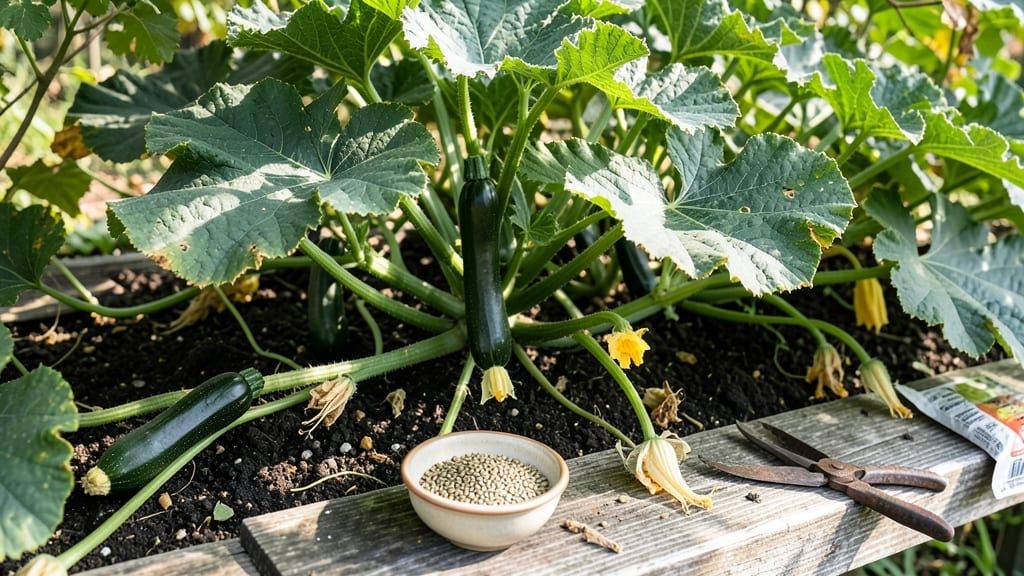
Harvesting zucchini seeds from this year’s 🎃 harvest is one of the easiest ways to slash next season’s grocery bill—and it only takes 10 minutes of your time.
Did you know saving zucchini seeds from this year’s harvest can cut next season’s gardening costs by up to 70%? With just a few simple steps, you’ll have free, organic seeds ready for planting—while also ensuring the best variety for your climate.
Most gardeners overlook this simple trick, but the process is straightforward once you know the right steps. Whether you’re growing heirloom varieties or saving seeds from store-bought zucchini, the key is timing and proper drying.
Here’s exactly how to collect, clean, and store your seeds so they’re ready to plant come spring—plus the one mistake that ruins viability every year.
When and how to harvest zucchini seeds for maximum viability
Saving zucchini seeds is one of the most rewarding parts of gardening—it’s free, organic, and ensures you’ll grow your favorite varieties next season. But timing and technique matter! If you harvest too early, seeds won’t be viable; too late, and they may not germinate well.
The key is selecting overripe zucchini with fully mature seeds inside. These seeds are hardy and ready for your next planting season.
First, identify the right zucchini fruit for seed saving. Look for squash that’s left on the vine long after it’s edible—think shriveled skin, dry texture, and a deep yellow-orange interior.
These signs mean the seeds inside are fully developed and ready for harvest. Avoid using zucchini from hybrid plants if you want true-to-type seeds next year, as hybrids often don’t reproduce reliably.
Step-by-Step Guide to Harvesting Zucchini Seeds
- Step 1: Select Overripe Zucchini
Choose 3-5 zucchini that are shriveled, dry, and yellow-orange inside. These are past edible stage but perfect for seeds.
- Step 2: Scoop Out Seeds
Cut open the zucchini and scoop out the gelatinous pulp with seeds into a bowl. Rinse under cool water to remove excess pulp.
- Step 3: Ferment the Seeds
Let seeds ferment in water for 2-3 days in a warm spot. Good seeds sink; bad ones float. Stir daily to prevent mold.
- Step 4: Dry the Seeds
Spread seeds on a paper towel or mesh screen in a well-ventilated area for 3-5 days. Avoid direct sunlight to prevent cracking.
- Step 5: Store Properly
Transfer dried seeds to a paper envelope or airtight container. Label with the variety name and harvest year for next season.
Don’t skip the fermentation step—it’s crucial! This process removes the gelatinous coating that can inhibit germination. After fermenting, you’ll notice the water turns cloudy, and the good seeds sink to the bottom.
Discard any seeds that float or smell off. Once dried, your seeds should be hard and dark, ready for long-term storage.
For best results, store seeds in a cool, dry place like a seed vault or even your refrigerator. Properly stored, zucchini seeds can remain viable for 3-5 years, though germination rates drop after 2 years.
Always test a few seeds before planting to ensure they’re still good. Place them on a damp paper towel in a warm spot—if they sprout within 5-7 days, you’re golden!
If you’re growing heirloom varieties, seed saving is especially valuable. These plants produce true-to-type seeds, meaning your next crop will look just like the parent plant. Hybrid zucchini, on the other hand, may not produce reliable seeds, so save heirlooms whenever possible.
Popular heirloom choices like ‘Black Beauty’ or ‘Golden Zucchini’ are great for seed saving.
One common mistake is harvesting seeds from store-bought zucchini. These are almost always hybrids and won’t produce viable seeds for next year’s garden. Always save seeds from your own homegrown plants to ensure success.
If you’re new to seed saving, start with just a few plants to master the process before scaling up.
Labeling your seeds is a game-changer. Use small paper envelopes or glass jars and write the variety name, harvest date, and any notes like color or flavor traits.
This makes it easy to track which seeds you’ve saved and how they perform in future gardens. Over time, you’ll build a personal seed library tailored to your climate and preferences.
Ready to dive in? Grab a few overripe zucchini from your garden, follow the steps, and soon you’ll be growing your own seeds like a pro. Not only will you save money, but you’ll also contribute to sustainable gardening by reducing reliance on store-bought seeds. Happy seed saving!
Best methods for drying and storing zucchini seeds long-term
Once you’ve harvested your zucchini seeds, proper drying and storage are critical to maintaining their viability for next season. Moisture and heat are the biggest enemies, so choosing the right method ensures you’ll have healthy seeds ready to plant.
I’ve tested both paper towel drying and mesh bag fermentation—here’s what works best for my garden.
Drying seeds correctly prevents mold and preserves germination rates. The paper towel method is fastest but requires careful monitoring, while mesh bags allow natural fermentation, which can actually improve seed quality.
Both have pros and cons, so let’s compare them side by side to help you decide which fits your workflow.
After drying, store your seeds in a cool, dark place with low humidity. I use small envelopes labeled with the variety name and harvest year—this keeps things organized and makes it easy to track. For long-term storage, add a silica gel packet to absorb any lingering moisture.
Test viability every 1–2 years by placing a few seeds on a damp paper towel in a warm spot; they should sprout within 5–7 days.
Avoid these common mistakes: storing seeds in the fridge (too cold), using plastic bags (traps moisture), or skipping the viability test before planting. I’ve lost seeds to mold because of these errors—don’t let that happen to you!
With the right method, your zucchini seeds can stay viable for 3–5 years or more.
For heirloom varieties, I recommend the mesh bag method because it mimics natural conditions and often yields higher germination rates. If you’re short on time, the paper towel method is a solid backup. Either way, proper storage means you’ll always have fresh seeds ready for your next planting season.