Propagation
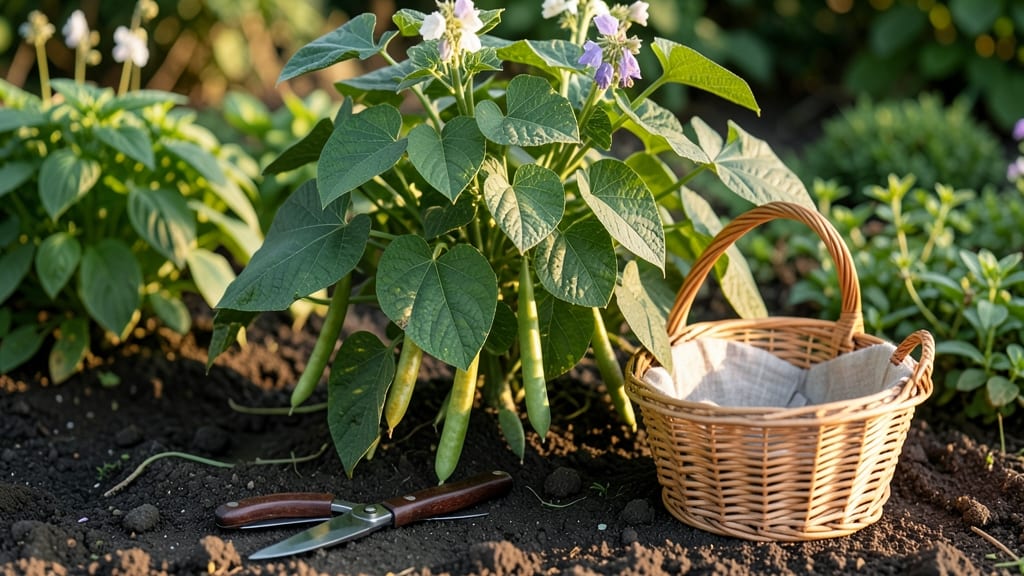
Yes, seeds can reproduce by germinating into new plants when given the right conditions—moisture, warmth, and oxygen—but many stay dormant until environmental triggers like light or temperature shifts activate their growth cycle.
This process relies on nature's built-in timing mechanisms.
Seeds often enter a state of dormancy to survive harsh conditions, only sprouting when they detect signals like seasonal temperature changes or soil moisture levels. 🌱 For example, some seeds need a cold period (stratification) to break dormancy, while others require exposure to sunlight before germination begins.
Understanding these triggers helps gardeners and farmers improve planting success rates.
Dormancy isn't just about waiting—it's a survival strategy. Chemical inhibitors in the seed coat or hard outer layers prevent premature sprouting, ensuring plants grow only when conditions are favorable. This built-in delay gives seedlings a better chance of establishing strong roots before facing environmental challenges.
The balance between dormancy and germination is what keeps plant populations thriving across different climates.
💡 In This Article
- Seed Germination Science: How Dormancy Works
- Best Practices for Breaking Seed Dormancy
Seed germination science: how dormancy works
At the heart of seed reproduction lies a fascinating biological dance between survival and growth. Nature has equipped seeds with dormancy mechanisms to prevent premature sprouting in unfavorable conditions. These mechanisms include chemical inhibitors like abscisic acid (ABA), which suppresses germination until the right signals arrive.
For example, pea seeds contain high levels of ABA that must be neutralized before they’ll sprout. The seed’s hard outer coat also plays a role—some seeds, like those from legumes, have impermeable seed coats that block water absorption until they’re physically or chemically broken down. 🔥
Temperature sensitivity is another critical factor. Many seeds require specific thermal cues to break dormancy. Take apple seeds as an example—they need a period of stratification (typically 60-90 days at 34-41°F) to mimic winter conditions before they’ll germinate in spring.
This cold treatment triggers internal biochemical changes that prepare the seed for growth. Meanwhile, tropical seeds often rely on warmth to activate germination, with some requiring soil temperatures above 75°F to break dormancy. These temperature thresholds ensure seeds only sprout when seasonal conditions are optimal for survival.
The physiological trigger for germination involves a hormonal shift. While ABA keeps seeds dormant, gibberellins (plant growth hormones) promote germination by breaking down stored nutrients in the seed. When environmental conditions are right—whether through cold stratification, light exposure, or scarification—the seed’s hormone balance tips in favor of growth.
This metabolic activation is what transforms a dormant seed into a sprouting seedling, with roots emerging first to anchor the plant before leaves develop for photosynthesis. 💫
Light exposure plays a dual role in seed dormancy. Some seeds, like lettuce, require light to germinate, while others, like tomatoes, are inhibited by light and need darkness. This light sensitivity is controlled by phytochrome pigments in the seed coat that detect red and far-red light wavelengths.
For example, a tomato seed buried too shallowly might fail to germinate because of excessive light exposure, while a buried seed receives the darkness signal it needs. These light-dependent mechanisms help ensure seeds sprout at the right soil depth for optimal growth.
Hard seed coats aren’t just a physical barrier—they’re an evolutionary adaptation. Seeds like those from acacia trees have coats so tough they can survive being eaten and passed through an animal’s digestive tract unharmed.
The abrasive environment of the gut actually helps scarify the seed, making it more permeable to water. This dual-purpose design ensures the seed remains dormant until it’s deposited in ideal growing conditions, far from the parent plant where competition for resources would be fierce. 🌱
What’s remarkable is how these dormancy mechanisms vary even among closely related plants. For instance, while some maple seeds germinate readily after a cold winter, others may require two years of cold stratification.
This variation ensures that seeds spread their germination over multiple seasons, reducing the risk of total crop failure during unpredictable weather patterns. The precision of these biological clocks is what makes seed reproduction such a resilient strategy for plant survival.